News
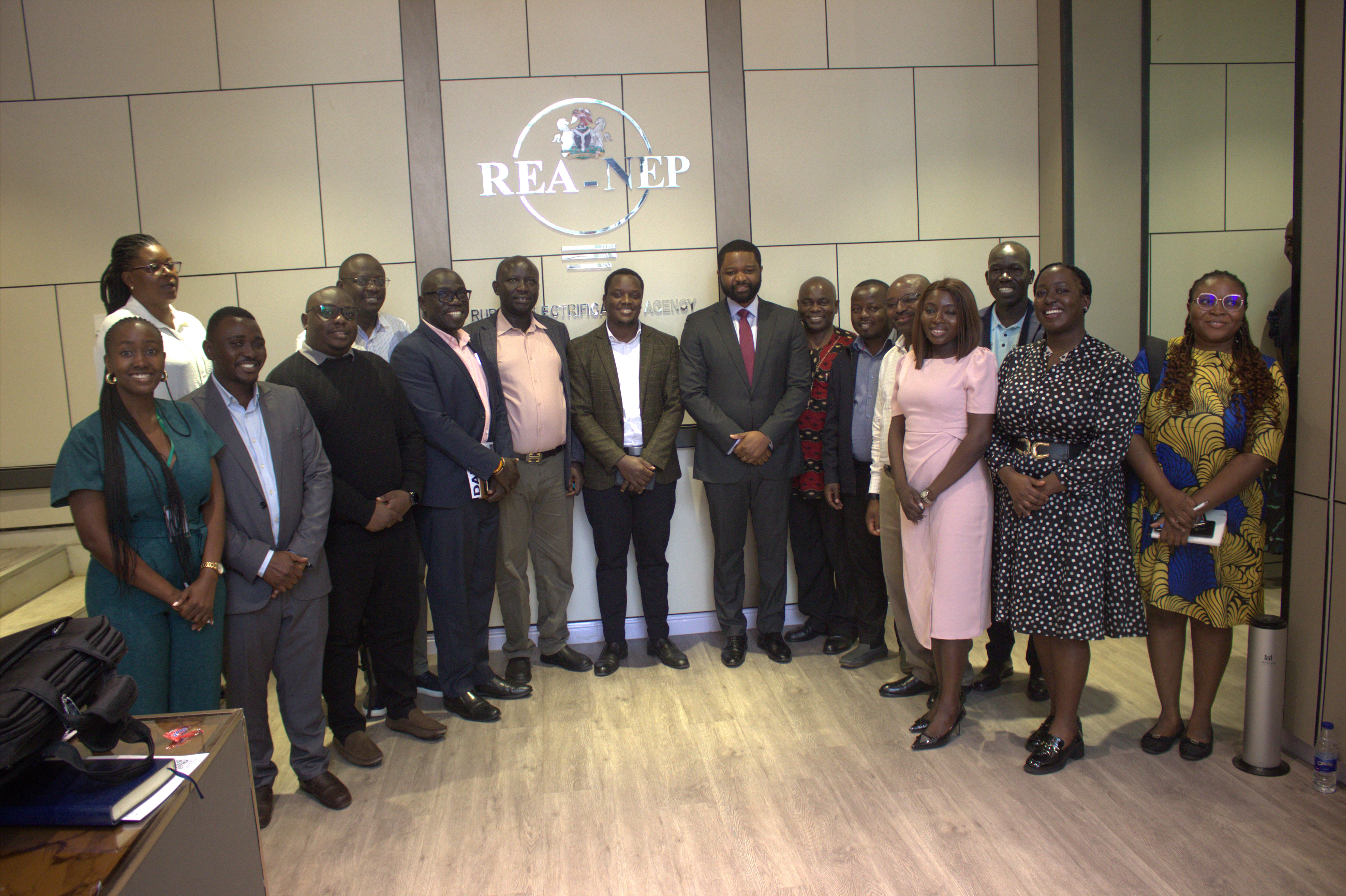
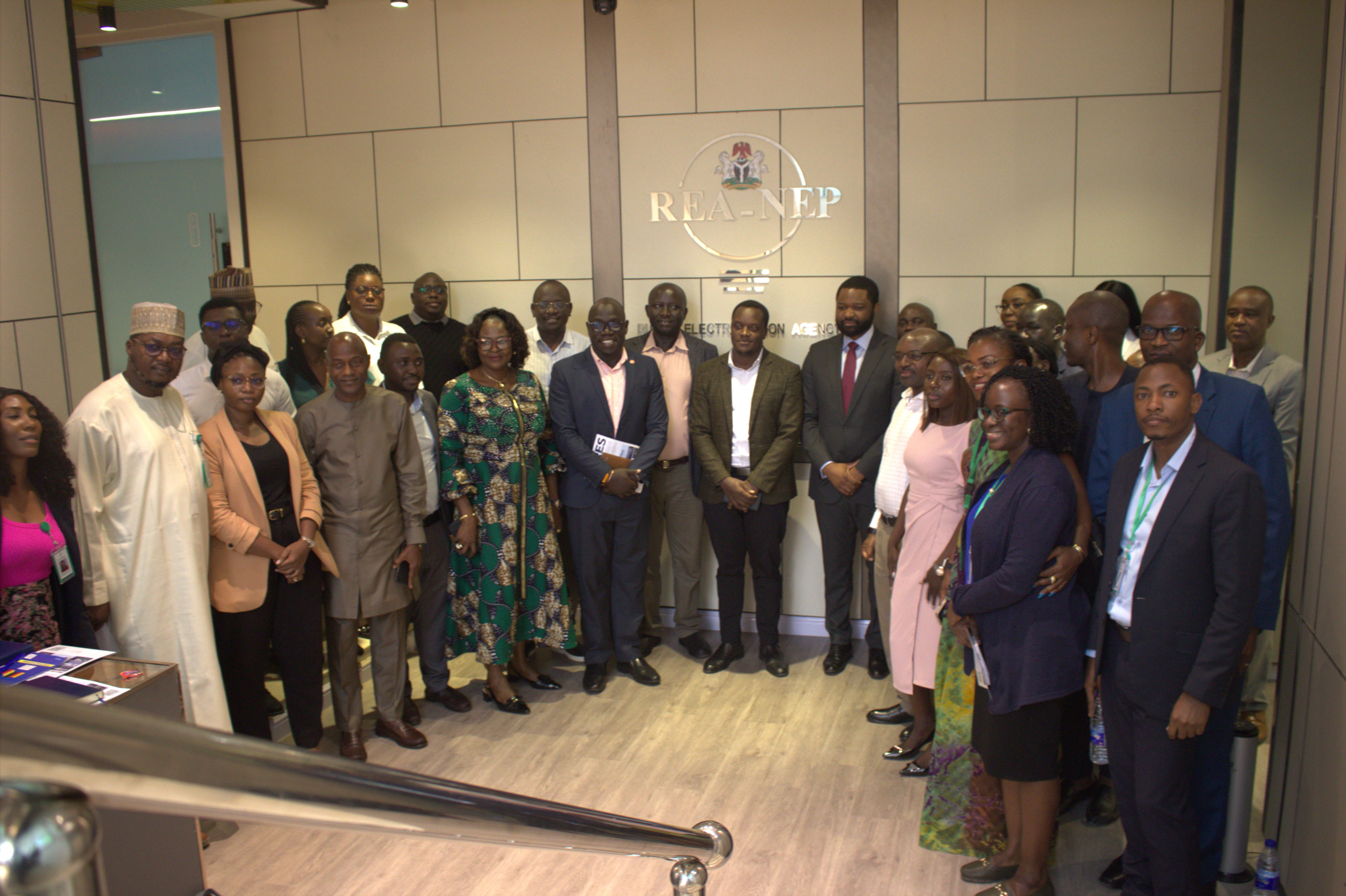
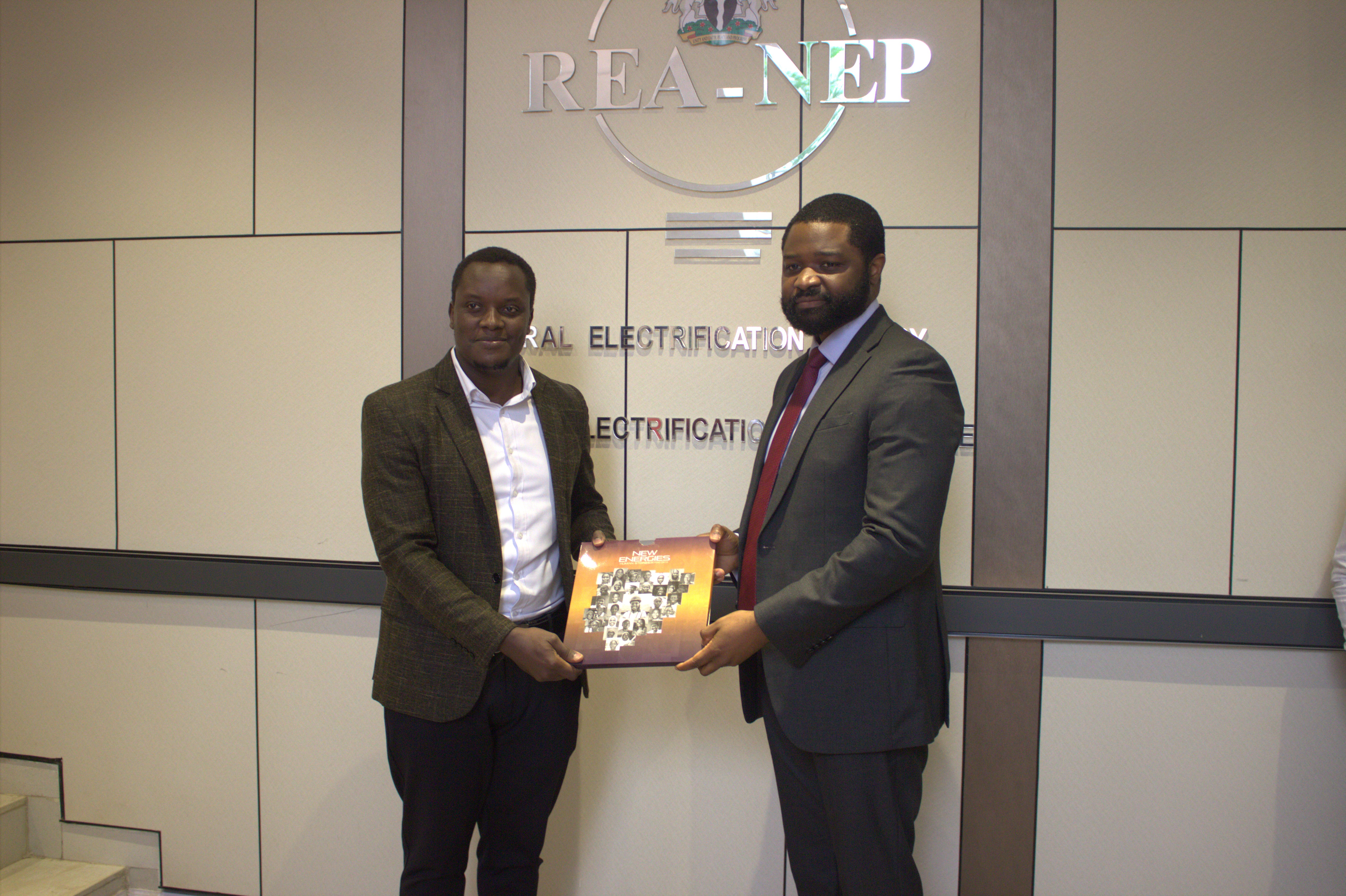
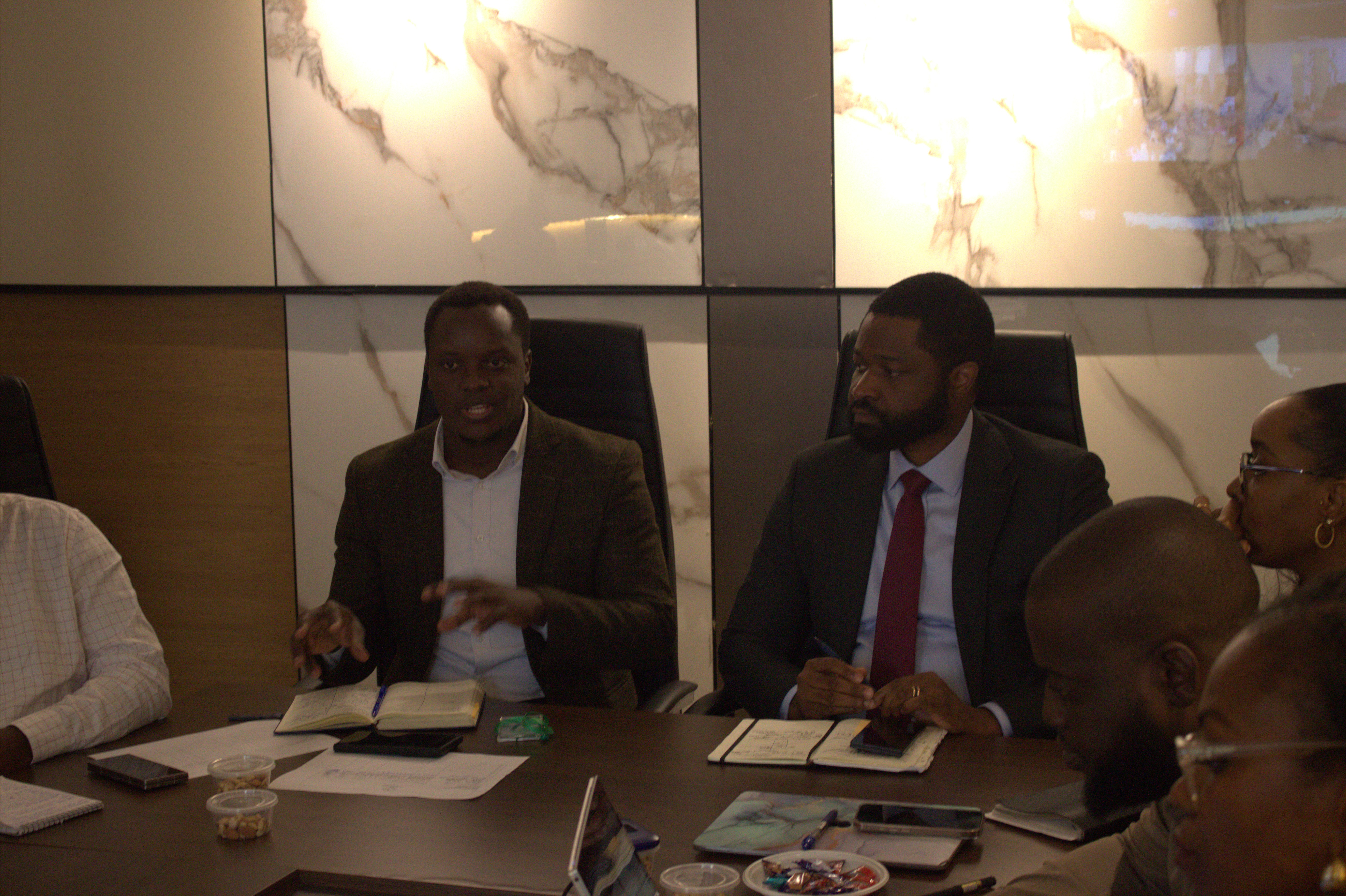
In the evolving landscape of energy access across Africa, Nigeria is emerging not just as a leader in implementation but as a hub for knowledge transfer, policy innovation, and regional collaboration. On Monday, September 1st, 2025, the Rural Electrification Agency (REA), through the Nigeria Electrification Programme (NEP), hosted a high-level Ugandan delegation in Abuja for a benchmark session that was as much about learning as it was about leadership.
The Ugandan delegation, composed of senior officials and technical experts, came with a clear purpose: to understand the operational, financial, and policy frameworks that have made REA-NEP a standout model in sub-Saharan Africa. From solar mini-grids to productive use initiatives, Nigeria’s approach to electrification is data-driven, community-centered, and results-oriented.
Setting the Stage: Nigeria’s Institutional Strength
Welcoming the delegation on behalf of the MD/CEO of REA, Mr. Olufemi Akinyelure, Head of the Nigeria Electrification Programme, delivered a comprehensive overview of REA–NEP’s achievements and future ambitions. With clarity and conviction, Mr Akinyelure outlined how Nigeria, through REA and the Ministry of Power, is expanding electricity access using innovative financing, robust stakeholder engagement, and scalable off-grid solutions.
“We are not just electrifying communities, we are empowering economies,” Akinyelure emphasized, setting the tone for a session rooted in purpose and partnership.
He also walked the delegation through NEP’s journey, highlighting how the $350 million from the World Bank and $200 million from the African Development Bank enabled the electrification of over 7 million Nigerians. These achievements, he noted, laid the groundwork for the $750 million Distributed Access through Renewable Energy Scale- up (DARES) project, which scales proven models and introduces new approaches.
One of the most impactful segments of the meeting centered on NEP’s Results-Based Financing (RBF) Model. The REA-NEP team explained how RBF has become a cornerstone of their strategy, enabling:
- - Private sector participation through performance-linked incentives
- - Transparency and accountability via rigorous verification protocols
- - Scalable deployment of solar mini-grids and standalone systems
The Ugandan team explored how this model could be adapted to their context, probing deeply into procurement processes, disbursement timelines, monitoring frameworks, and community engagement strategies. The dialogue reflected mutual curiosity and a strong appetite for knowledge transfer.
Why Nigeria Is Becoming a Magnet for Energy CollaborationAfrica’s energy challenges are vast but so are its opportunities. With over 600 million people still lacking access to electricity, the stakes couldn’t be higher. Benchmark sessions like this are more than symbolic; they are catalytic. They allow countries to leapfrog mistakes, scale proven solutions, and build a unified front in the global energy transition.
Nigeria’s success under NEP is attracting attention across the continent and beyond. Its ability to blend policy clarity, stakeholder engagement, and innovative financing is positioning it as a go-to destination for knowledge exchange. Delegates noted how Nigeria’s electrification ecosystem offers replicable lessons for other African nations.
For REA, knowledge sharing is a deliberate strategy. Akinyelure emphasized that institutional design, combined with robust monitoring systems and stakeholder coordination, has been central to its success:
“Transparency in financing, community ownership, and strong technical standards are non-negotiable. These pillars ensure that electrification efforts drive both access and economic productivity.”
Uganda’s visit is part of a growing trend: African nations are turning to Nigeria not just for inspiration, but for institutional learning. The REA-NEP model offers a replicable blueprint grounded in results, resilience, and regional relevance.
Technical Deep Dives: Financing, Models, and LessonsThe technical deep-dive session was another highlight of the visit, offering the Ugandan delegation an opportunity to engage with the full spectrum of REA–NEP and DARES project models. Presentations covered the innovative mini-grid financing and delivery mechanisms, where Nigeria has pioneered a dual approach: the Performance-Based Grant (PBG), which allows private developers to independently undertake project development and construction while receiving incentives upon verified performance, and the Minimum Subsidy Tender (MST), where the agency conducts site assessments and developers bid competitively for the lowest subsidy required to deliver power. This structure ensures affordability for end-users, while still encouraging private sector participation and scale.
Equally significant was the presentation on Stand-Alone Solar Systems (SAS) and Productive Use of Energy (PUE), demonstrating how decentralized systems are deployed to reach last-mile communities and enable small businesses such as milling, welding, and refrigeration thus linking access directly to livelihood improvements. The Energizing Education Programme (EEP) was also profiled, showcasing solar hybrid power plants and training centres in universities and teaching hospitals, designed not only to provide clean and reliable energy but also to foster technical skills through STEM training and hands-on capacity building for students.
To complement these programme models, the delegation was introduced to the VIDA and Odyssey platforms, digital tools used by REA to ensure transparency, real-time monitoring, and accountability in project implementation. These platforms provide granular data on project performance, customer connections, and system health, underscoring Nigeria’s commitment to using technology to sustain electrification gains.
From Policy to Practice: A Tour of ImpactThe benchmark session was only the beginning. On Wednesday, September 3rd, the Ugandan team embarked on a field tour to witness REA-NEP’s impact firsthand.
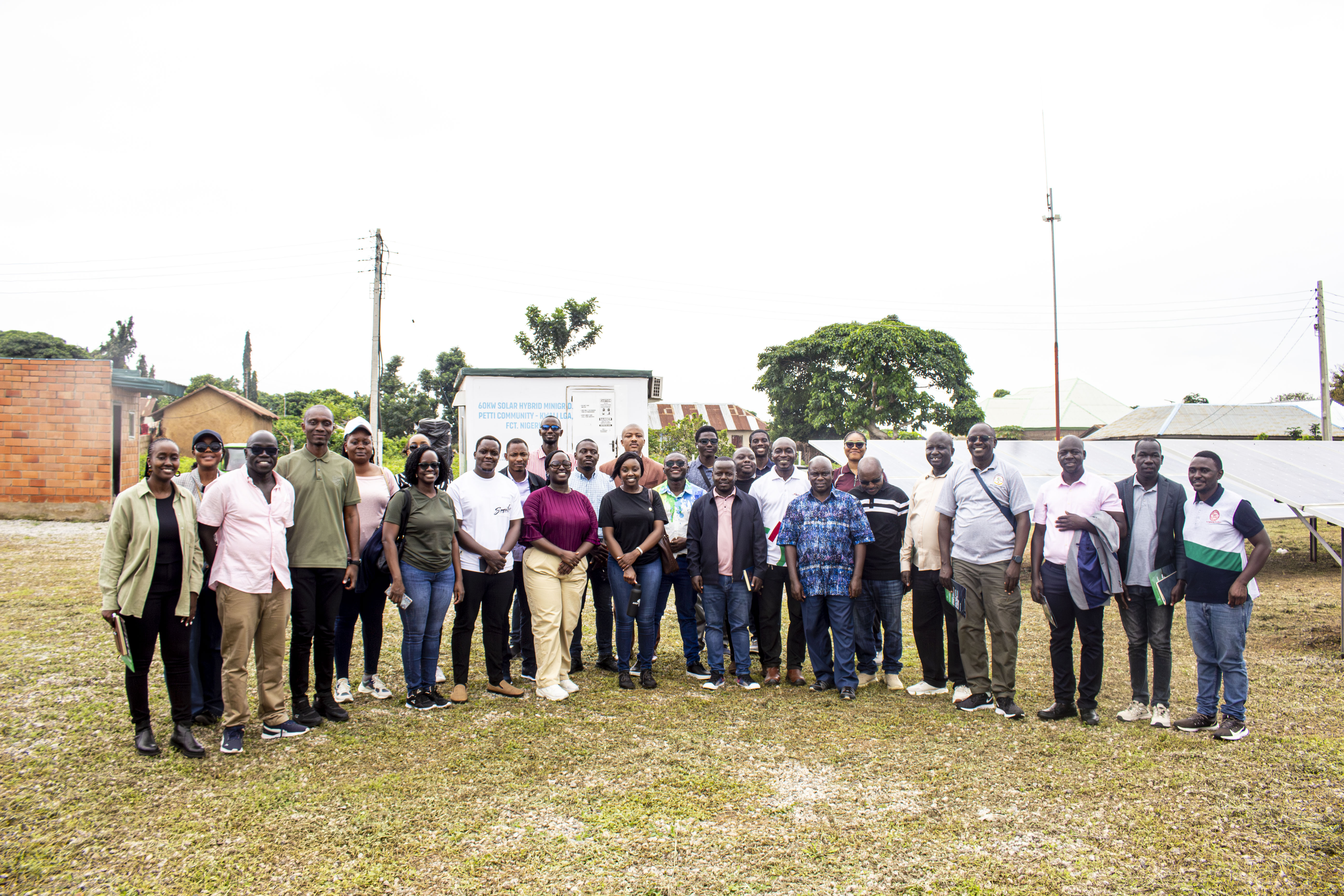
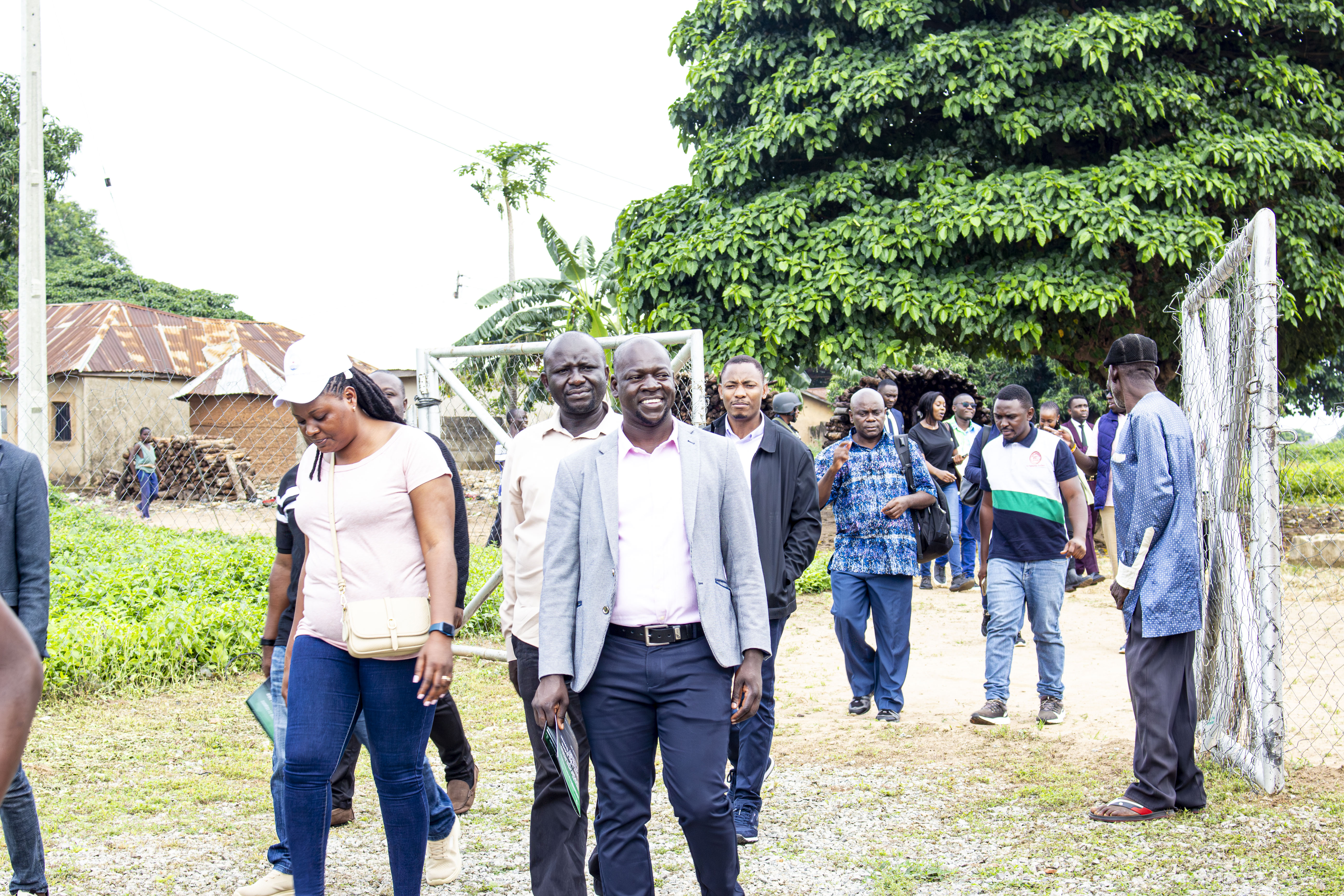
The Ugandan delegation began their field tour at Petti community in Kwali Area Council, FCT, where a 60kW solar hybrid mini-grid is delivering clean, reliable electricity to households and businesses. The team observed firsthand how access to energy has stimulated local enterprises, improved livelihoods, and enhanced the quality of life for residents.
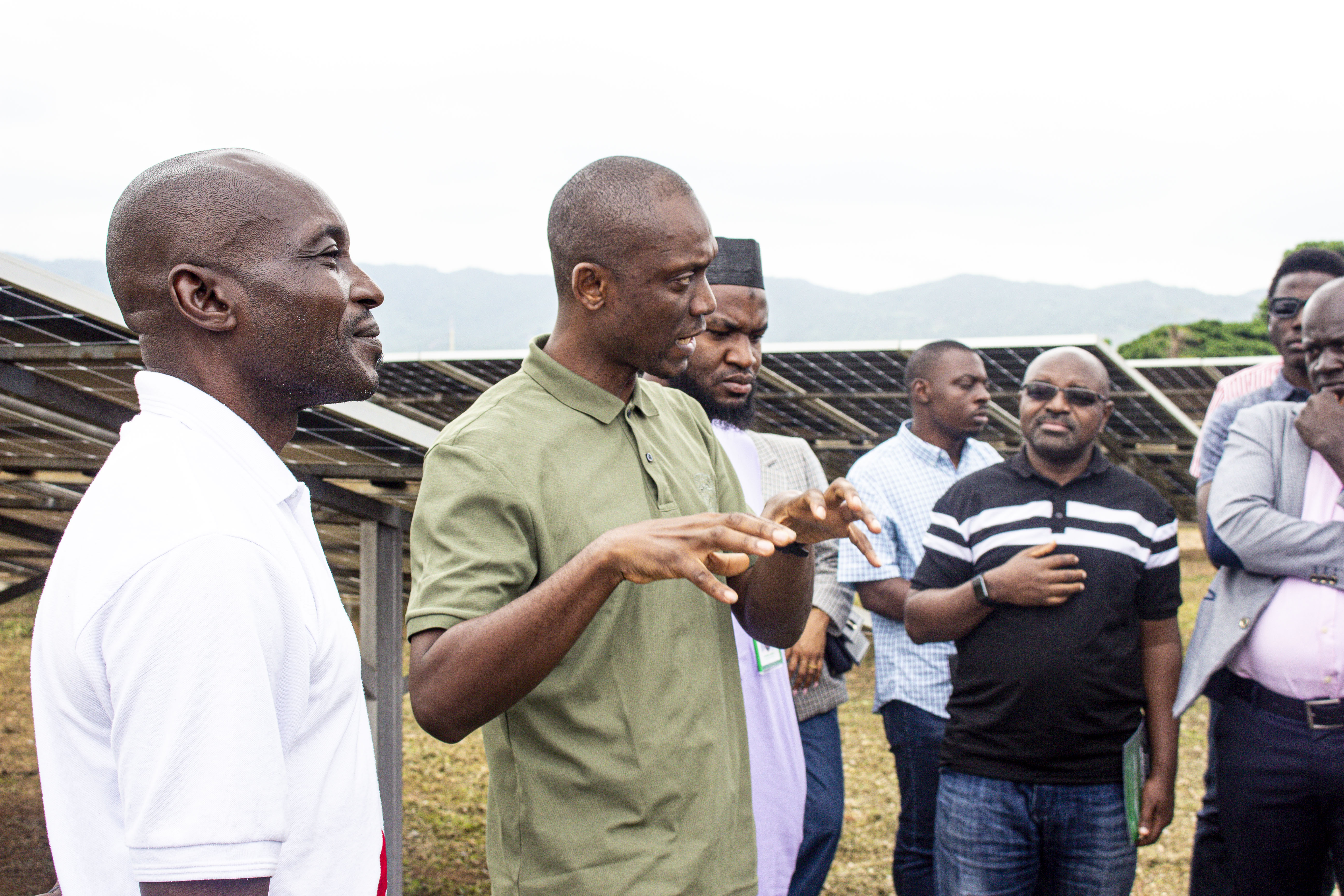
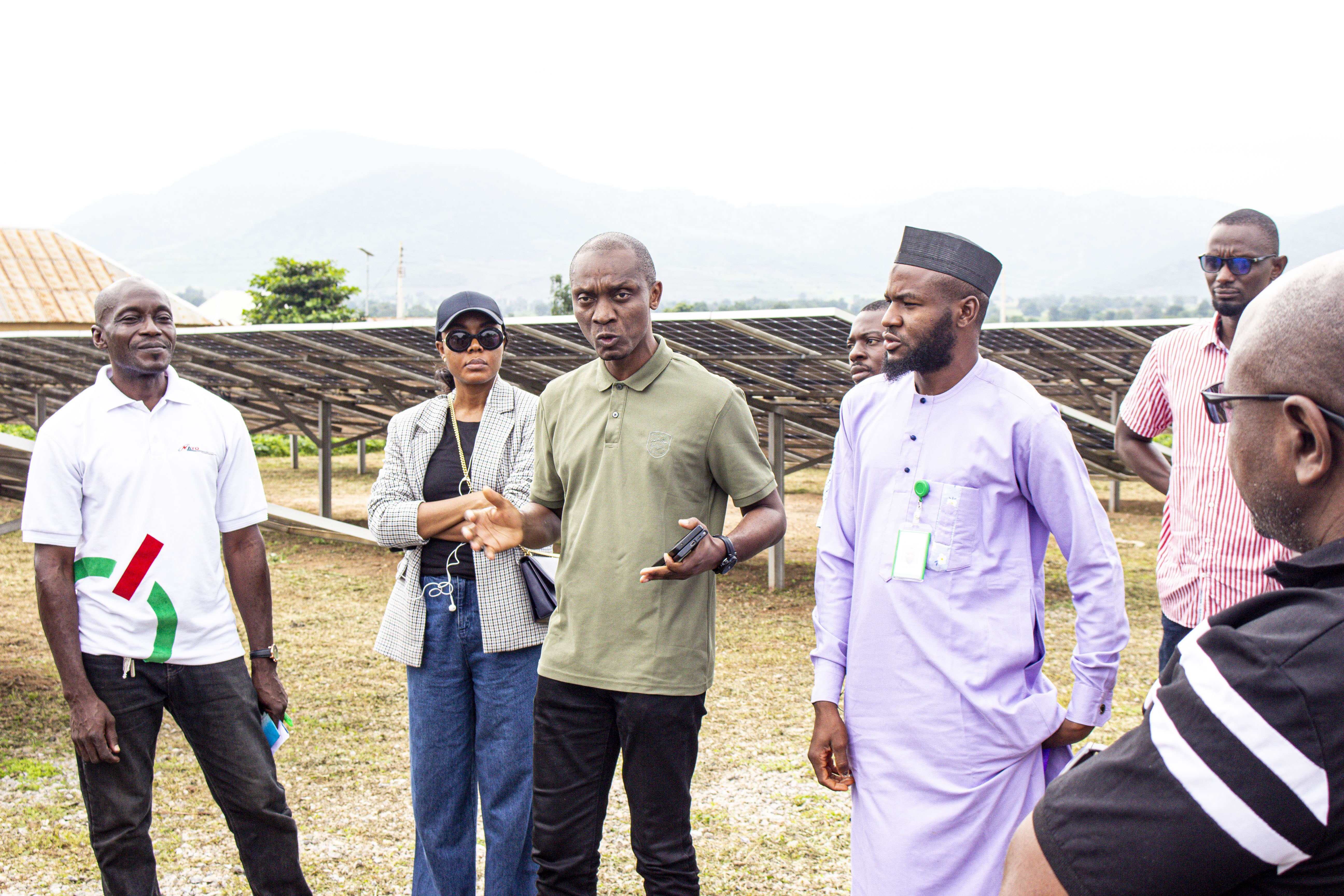
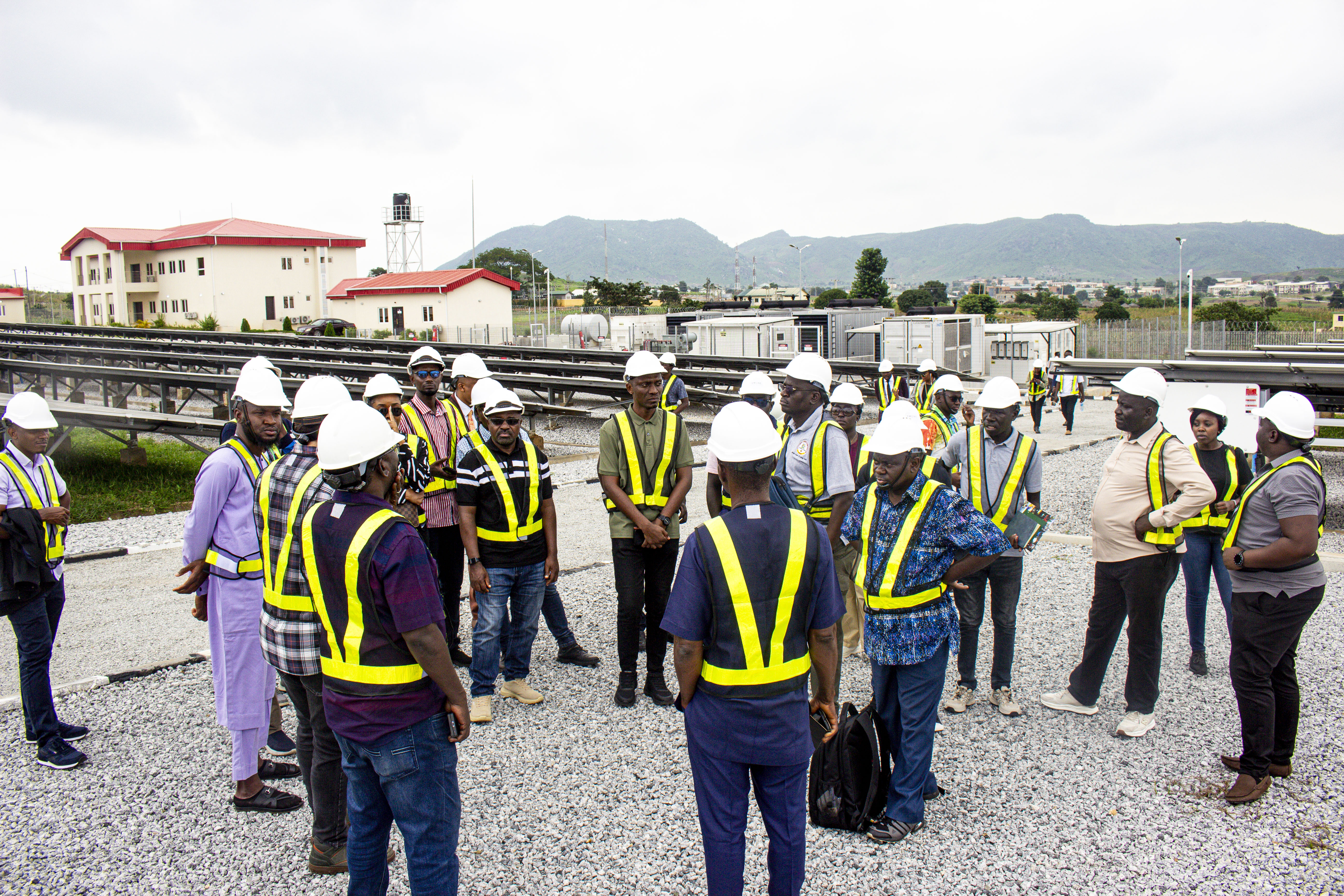
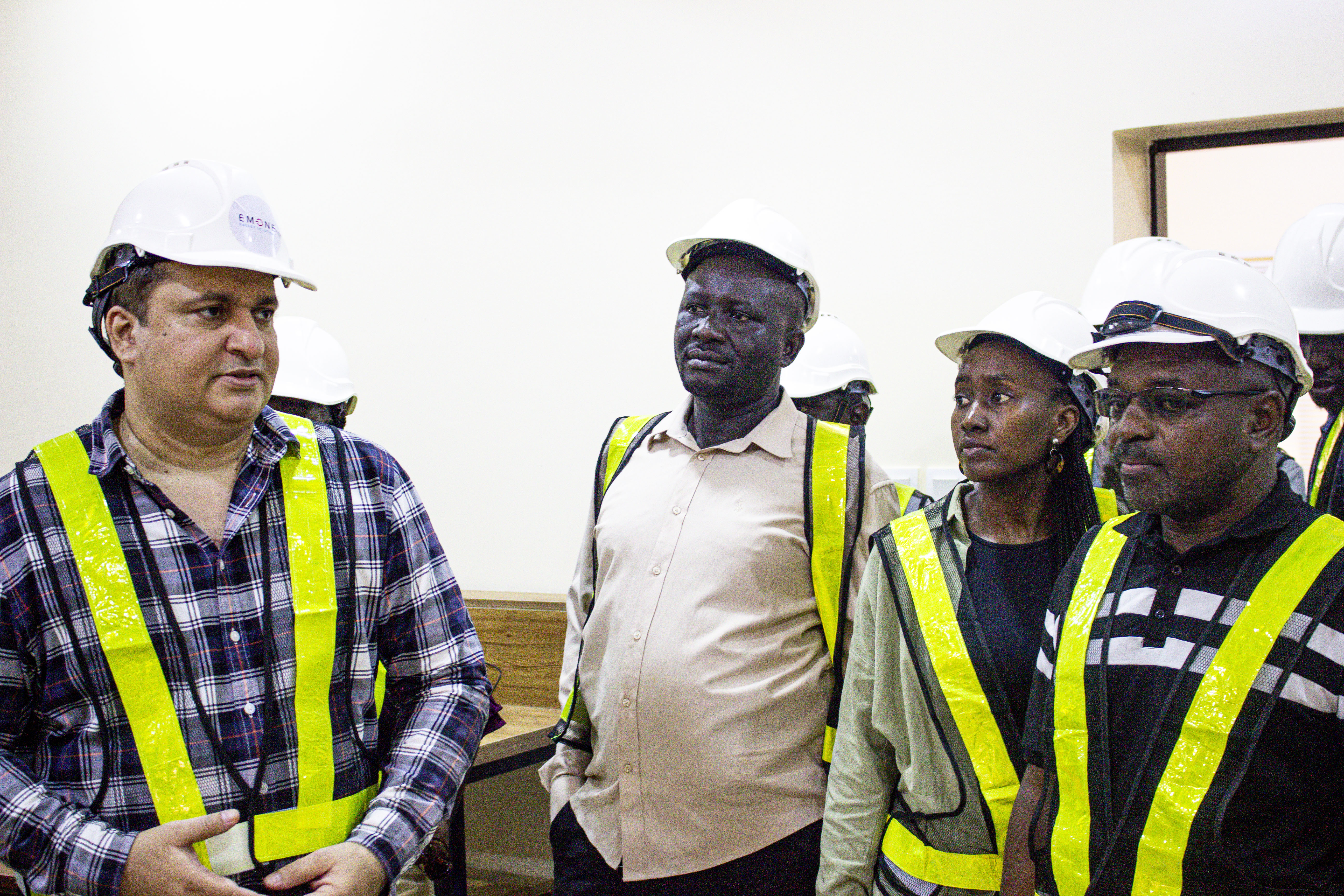
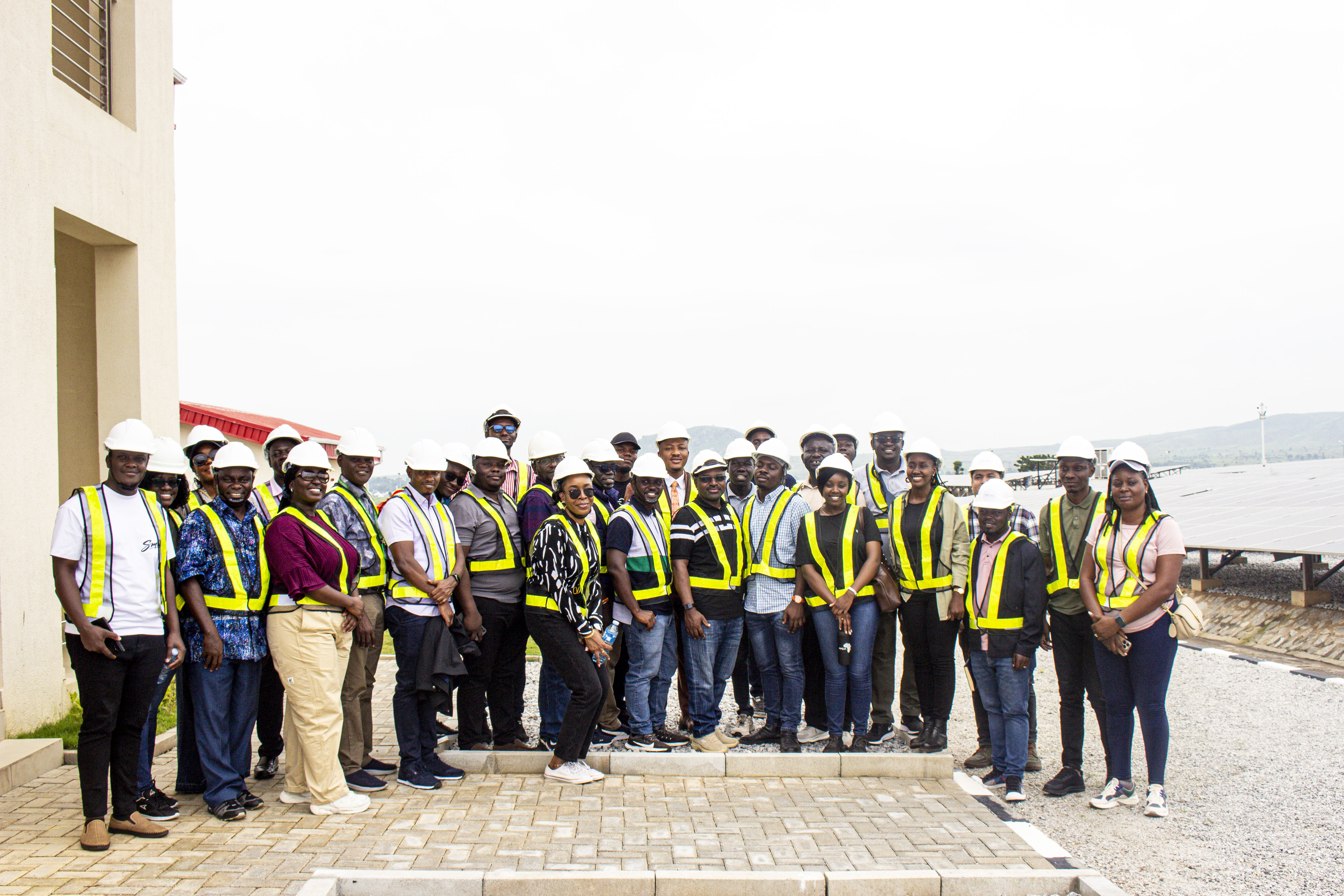
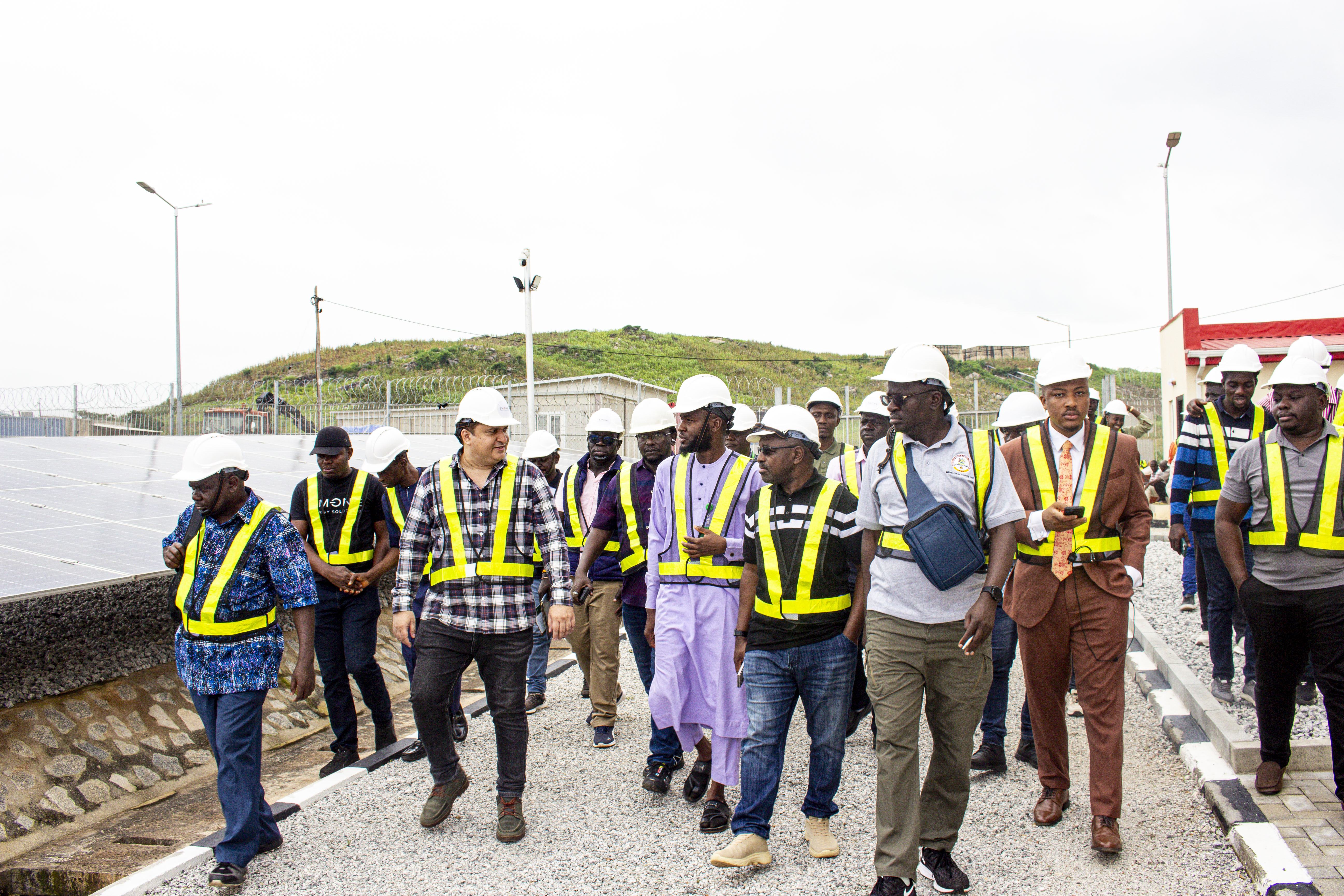
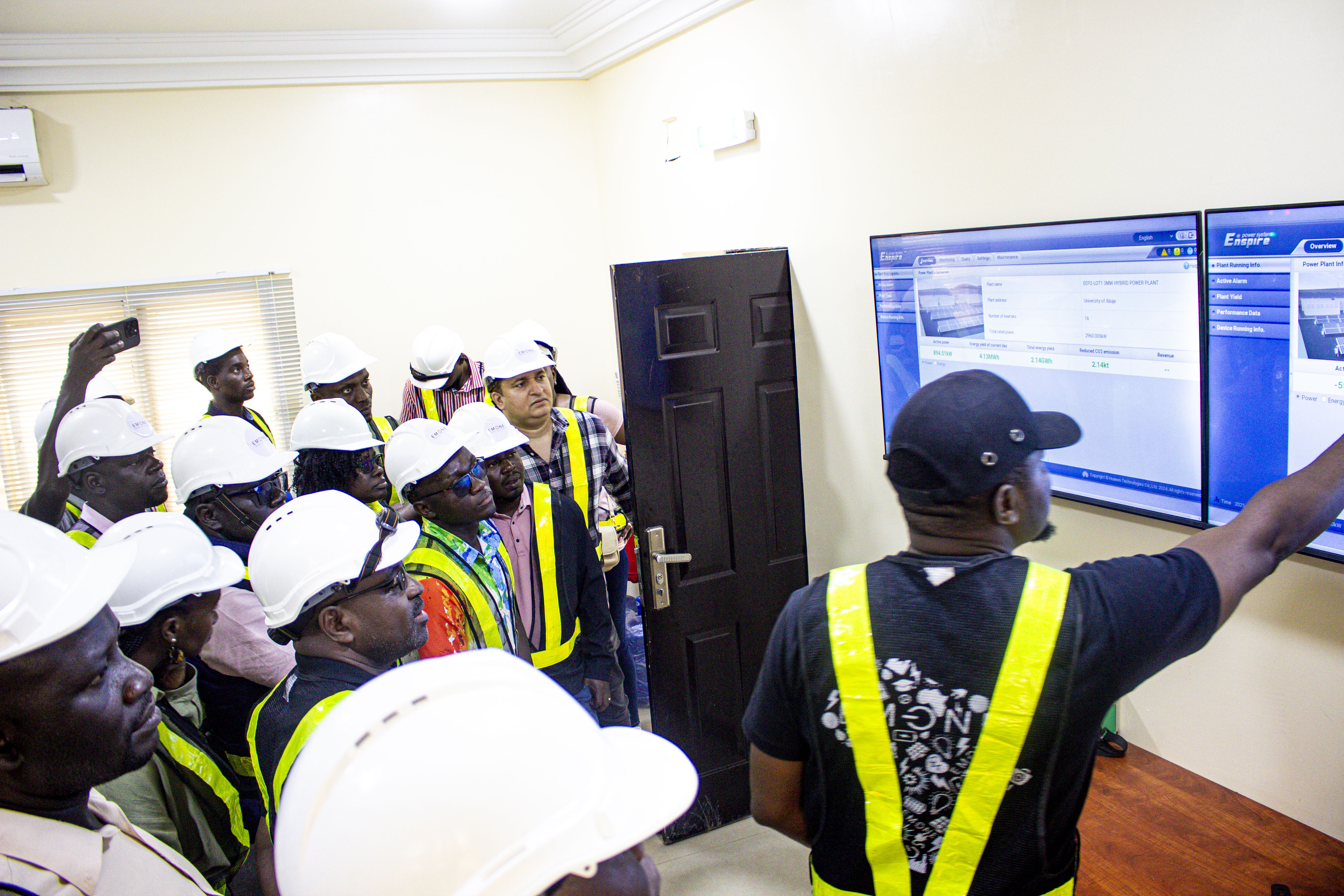
Next, the delegation visited the 3MW solar hybrid power project at the University of Abuja, a flagship initiative under the Energizing Education Programme Phase II, funded by the World Bank. The tour covered:
- - The solar power plant and energy storage system (ESS)
- - A modern distribution network across the campus
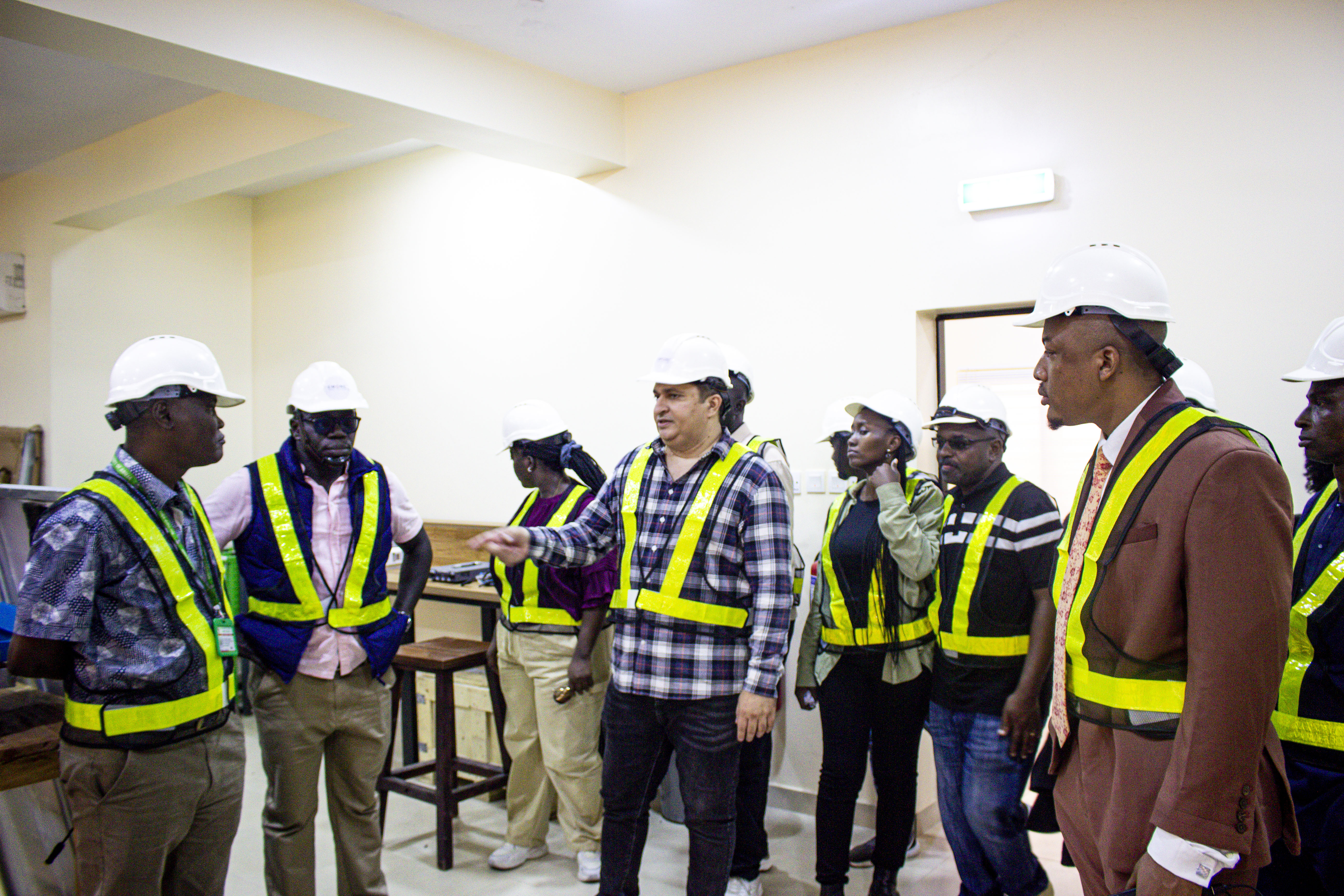
- - A dedicated workshop and training center for capacity building
- - Other critical infrastructure supporting sustainable campus electrification
The visit concluded with a shared commitment to deepen collaboration between both countries, with a particular focus on technical exchanges that allow experts from Uganda and Nigeria to continue learning from each other’s experiences in program design, financing models, and implementation strategies. One thing is clear: Africa’s energy transformation will be built not just on infrastructure but on trust, collaboration, and shared ambition.
Loading comments…