News
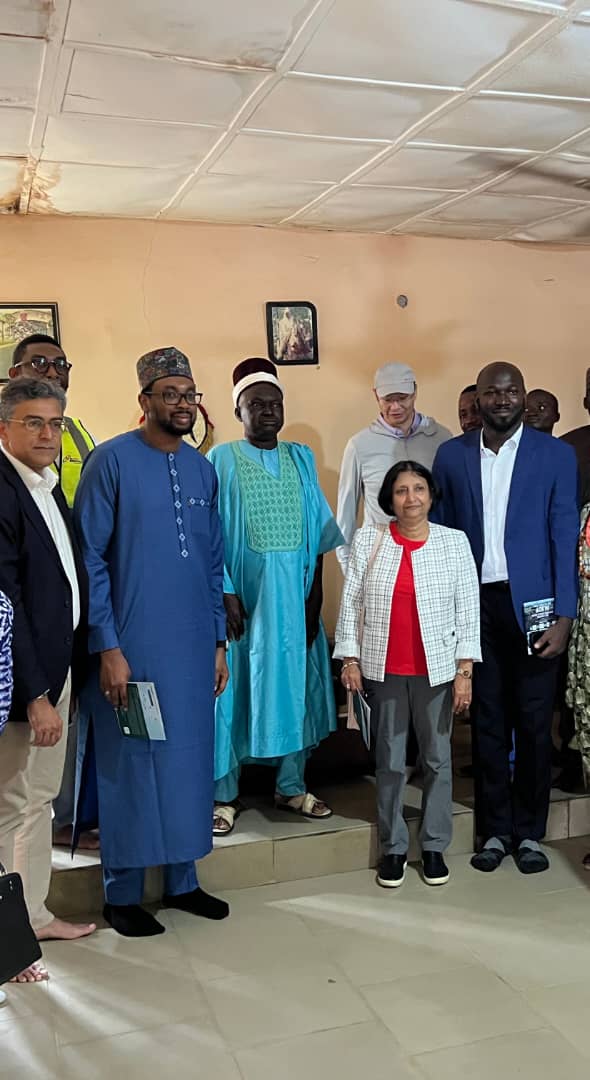
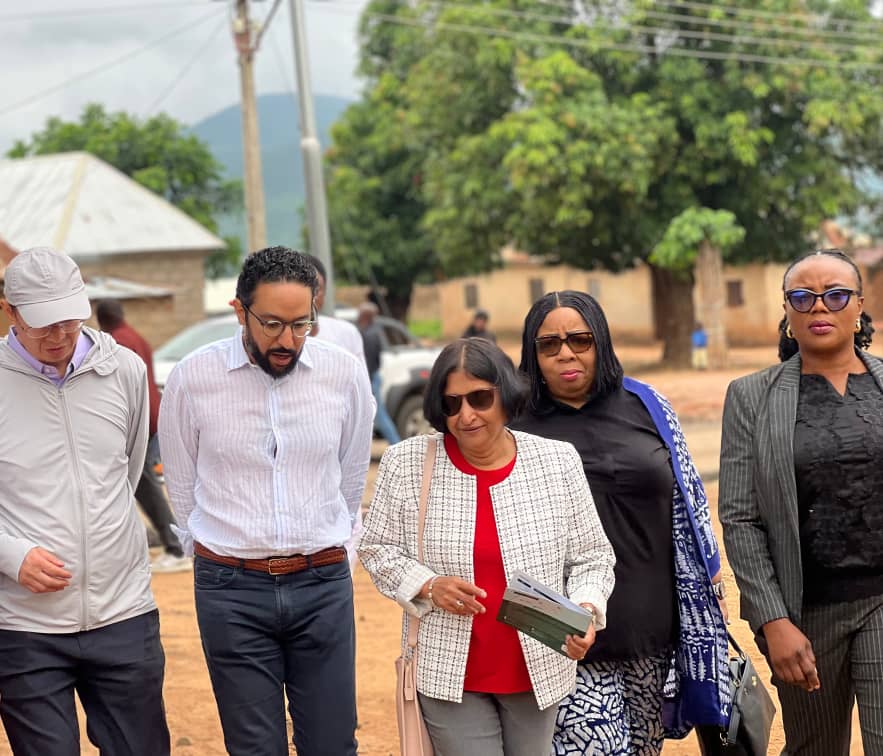
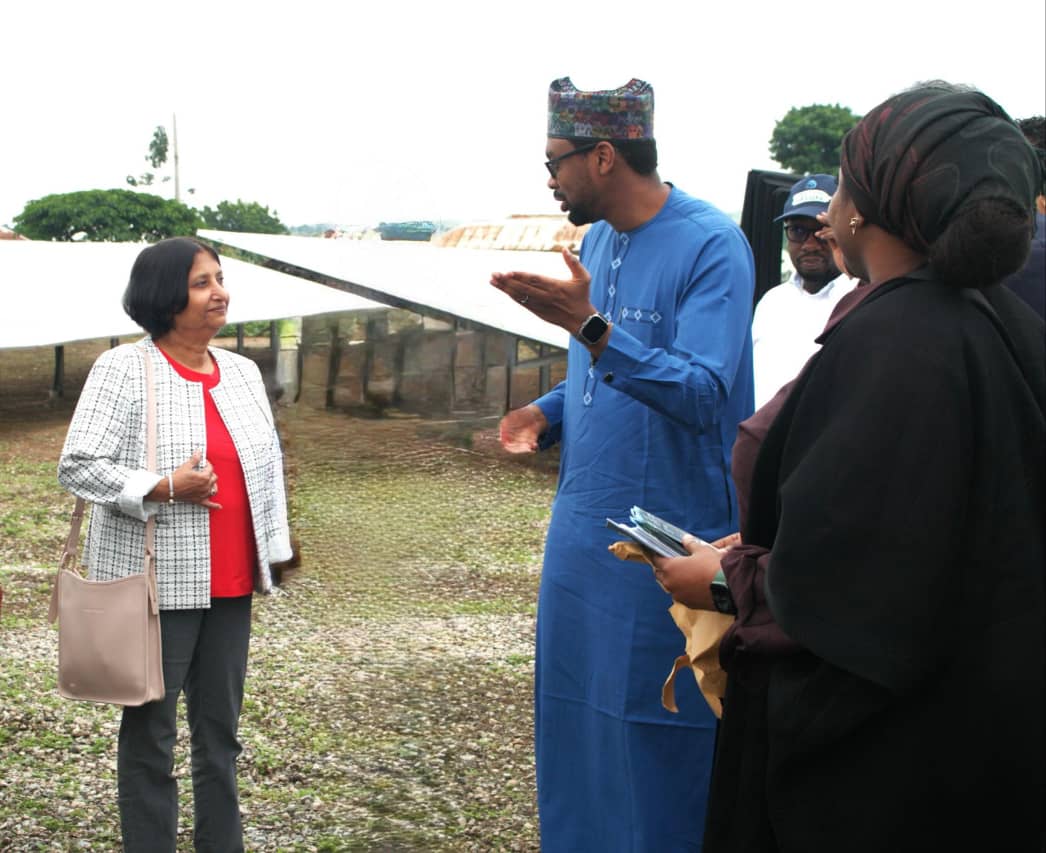
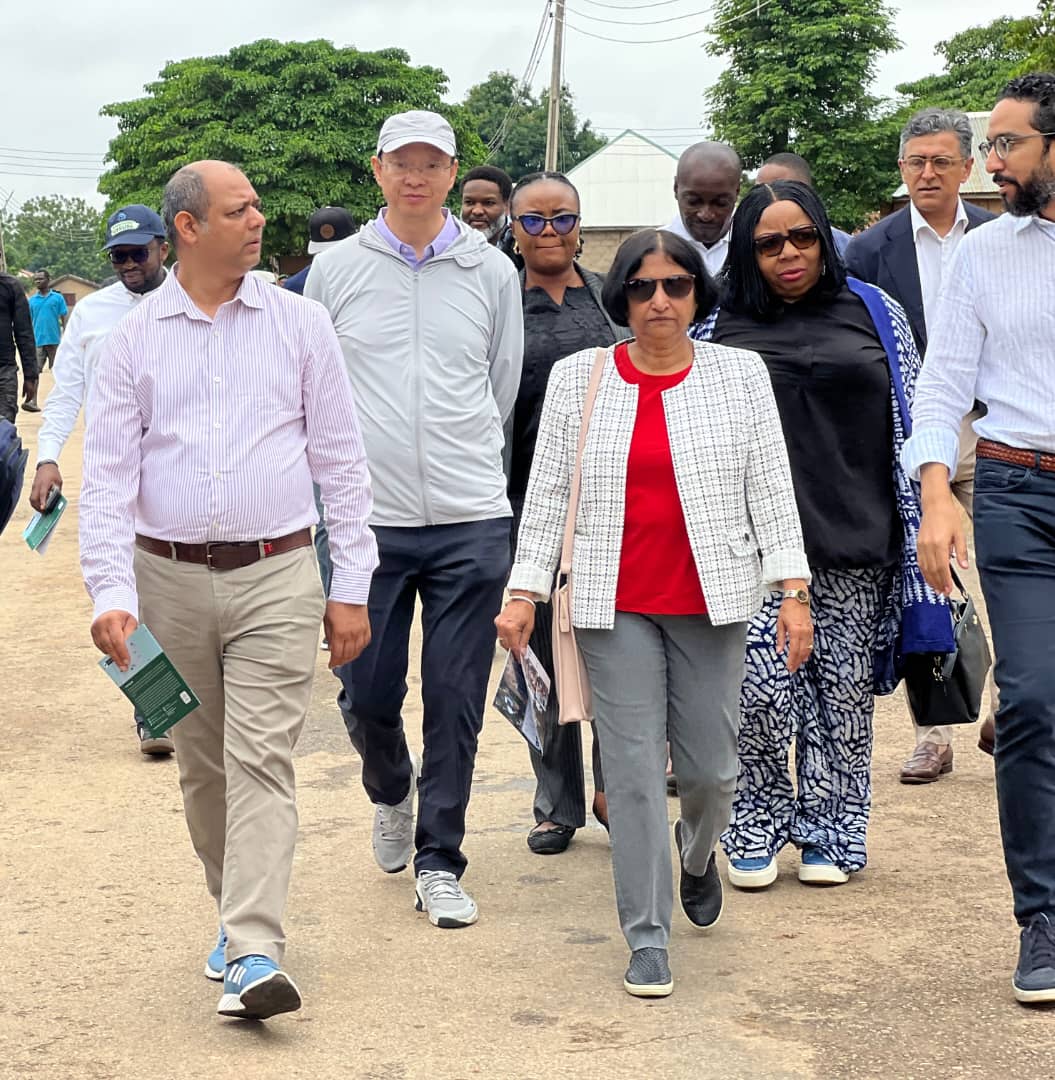
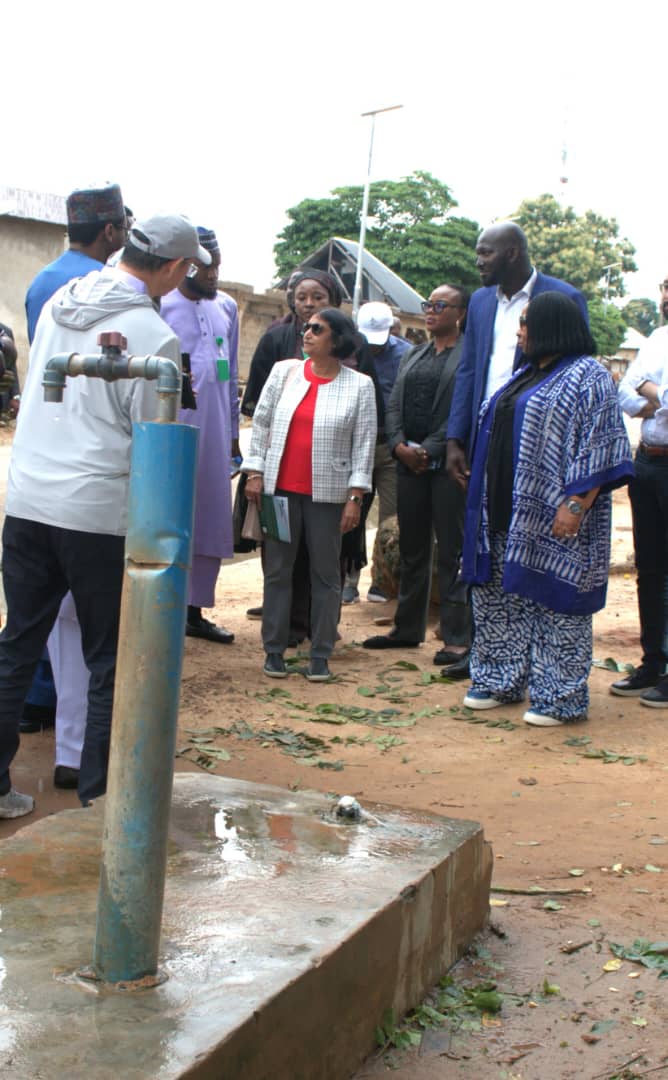
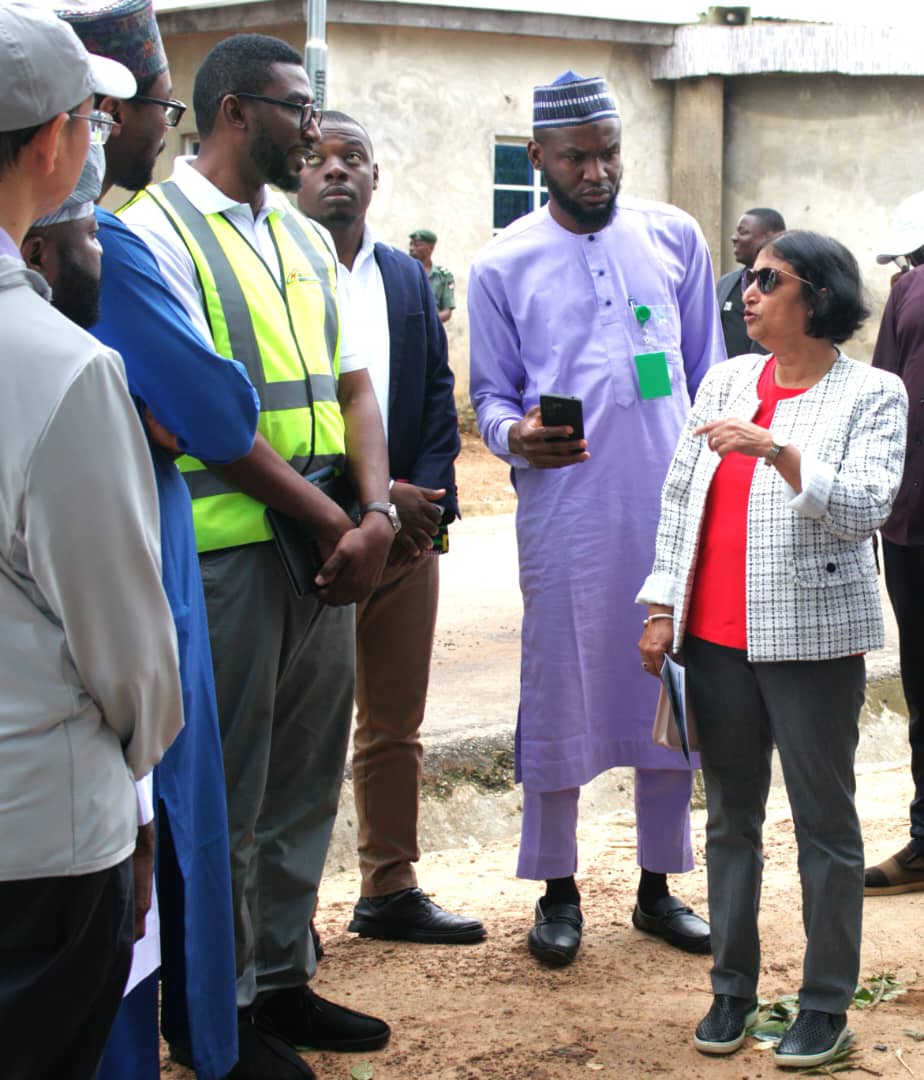
The World Bank Group’s Chief Financial Officer (CFO) Anshula Kant paid a visit to the 60kW solar hybrid mini-grid serving Petti Community in the Federal Capital Territory, Abuja, a project implemented by the Rural Electrification Agency (REA) through the Nigeria Electrification Programme (NEP) and funded by the World Bank.
The visit formed part of a high-level technical and impact assessment, focused on evaluating the operational performance, sustainability mechanisms, and economic influence of the mini-grid on the host community. The World Bank CFO was received by Engr. Umar A. Umar, Executive Director, Technical Services, representing the Managing Director/CEO of the REA.
“I am very happy about the progress being made here. Said Ms Kant. I think the first business of the day is to make sure that people have access to electricity. And I think people are paying electricity bill regularly within the limited resources space for the electricity they value. 100 percent power supply is a great solution to people, and I am very happy to see this happening”
Commissioned under NEP’s PBG subcomponent, the Petti mini-grid currently provides clean, reliable electricity to over 300 households and 20 small businesses. According to the community leader, access to electricity has enhanced productivity, enabled cold storage and retail activity, and drawn new residents, triggering calls for the expansion of the system’s capacity to meet growing demand.
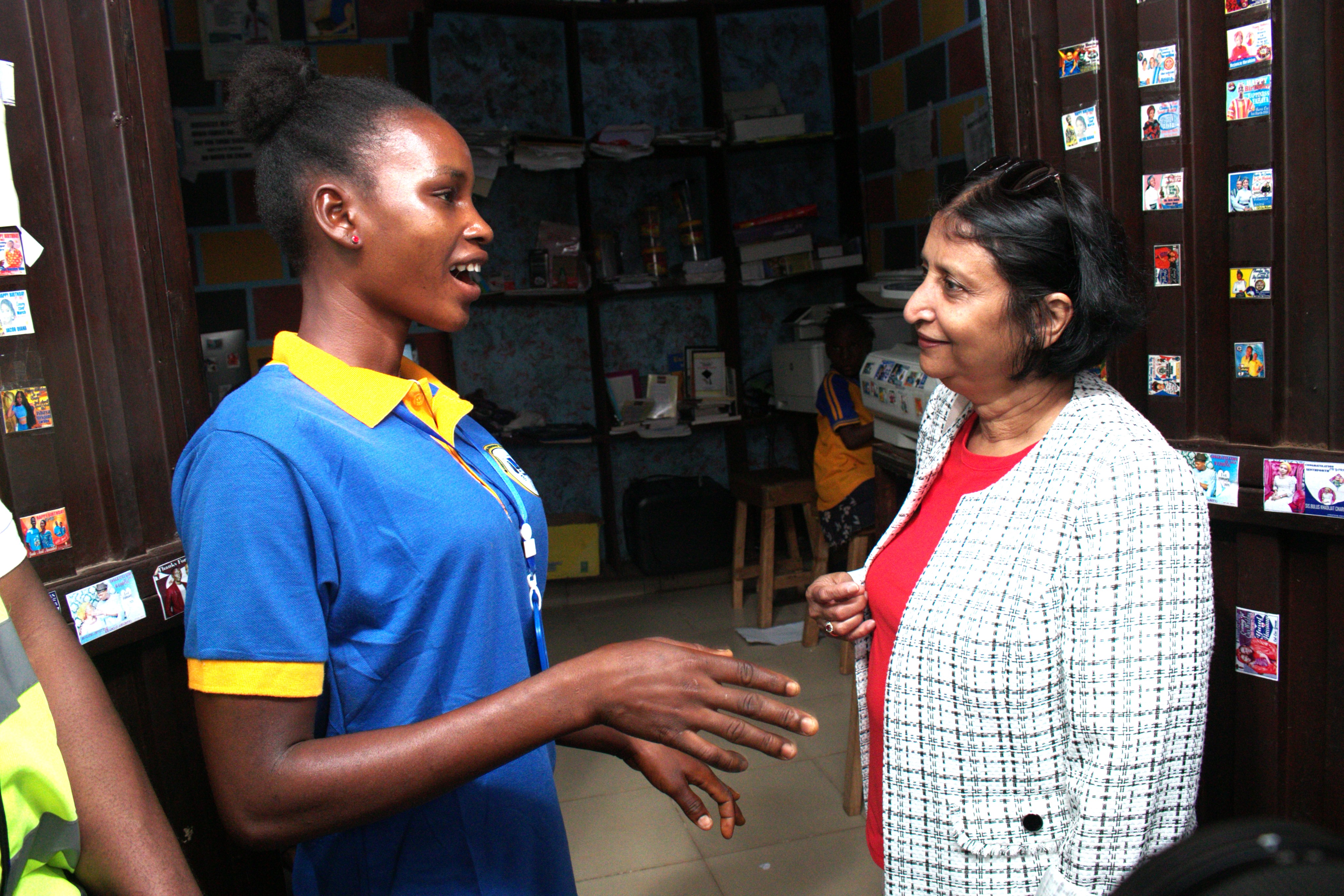
A key focus during the visit was the observation of Productive Use of Energy (PUE) activities currently enabled by the mini-grid. These include cold storage for perishable goods, basic agro-processing, and other micro-scale enterprises that rely on stable electricity to operate efficiently.
“We are here on an assessment visit to see the impact of this 60 KW mini grid that has been deployed and commissioned since 2022. And we have received very huge success, and a great news for us is to see that this mini grid is still functional and being utilize by this community within various small and medium businesses, such as barber shops, business cafe and welder they are making use of this electricity” said Engr. Umar A. Umar.
The visit reflects the World Bank’s ongoing support for Nigeria’s clean energy transition and aligns with the goals of Mission 300, an initiative that aims to provide electricity access to 300 million people across Sub-Saharan Africa by 2030, with Nigeria taking the forefront through the Distributed Access through Renewable Energy Scale-Up (DARES) project. DARES will expand the reach of off-grid renewable energy solutions nationwide, targeting the deployment of over 11,000 mini-grids, improving energy access for more than 17.5 million Nigerians, and unlocking opportunities for private sector participation, productive use of energy, and inclusive economic growth.
The Rural Electrification Agency, through its mandate, will continue to champion access-driven, scalable energy solutions that empower communities, bolster economic activity, and ensure that no one is left behind on the path to universal energy access.
Loading comments…