News
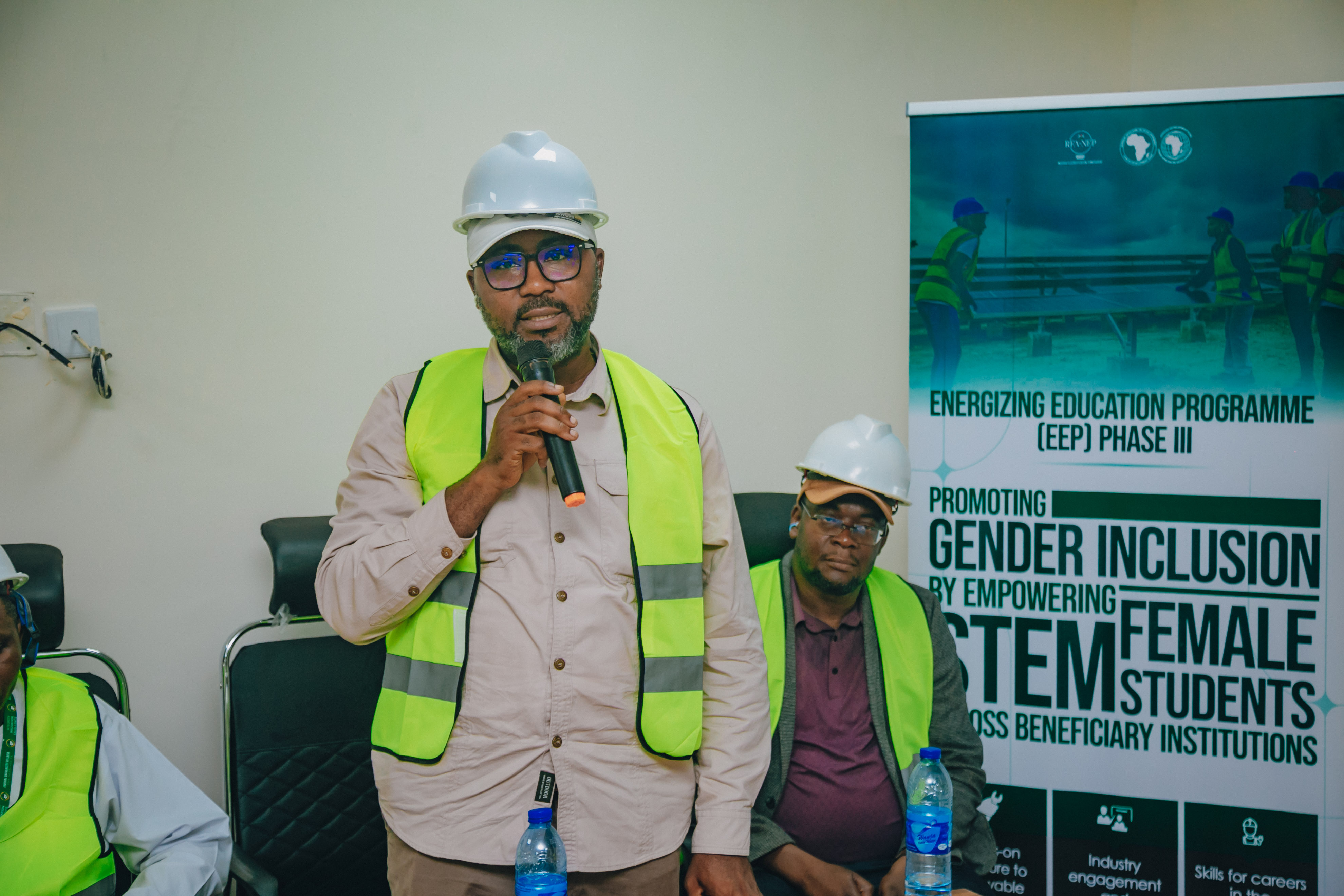
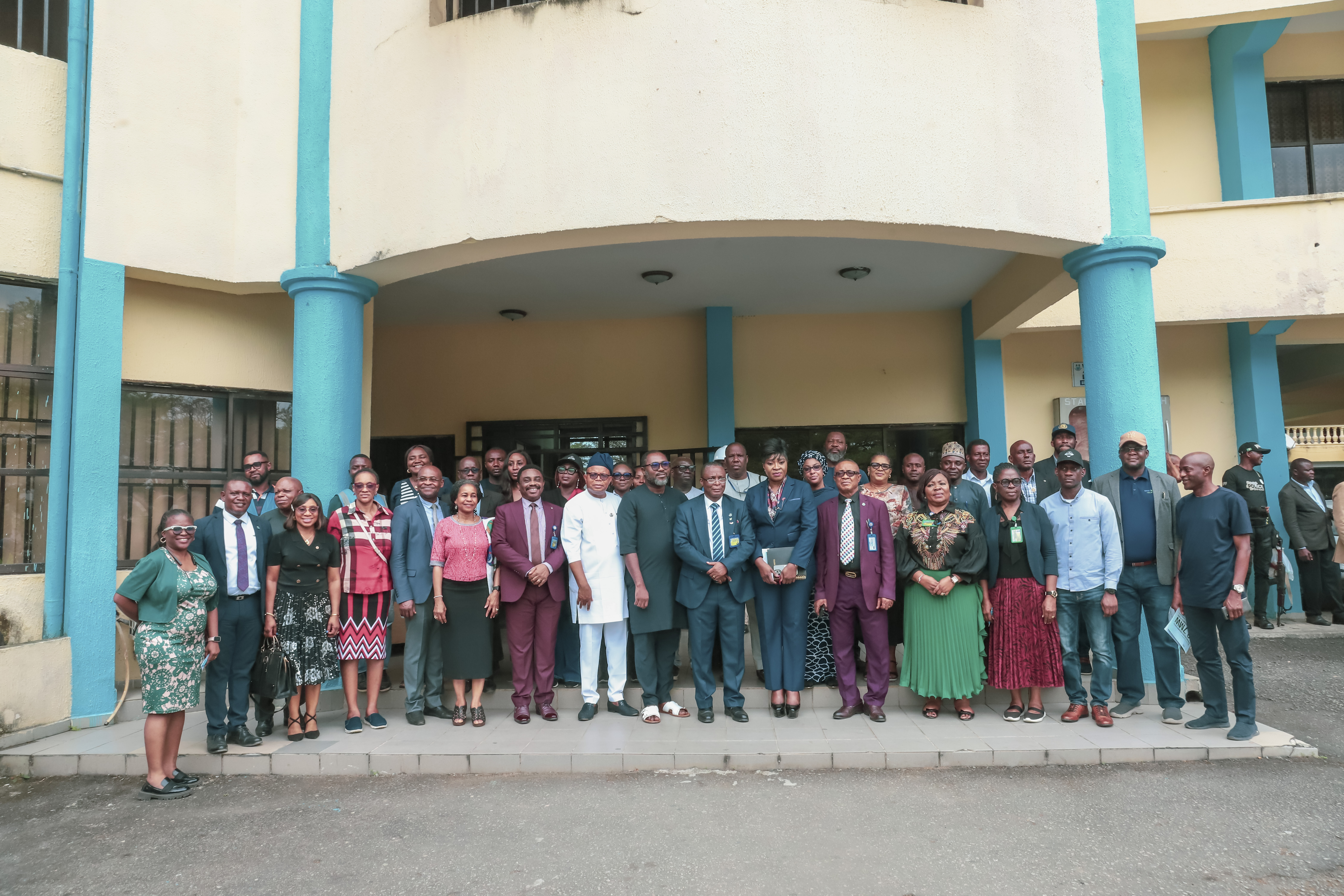
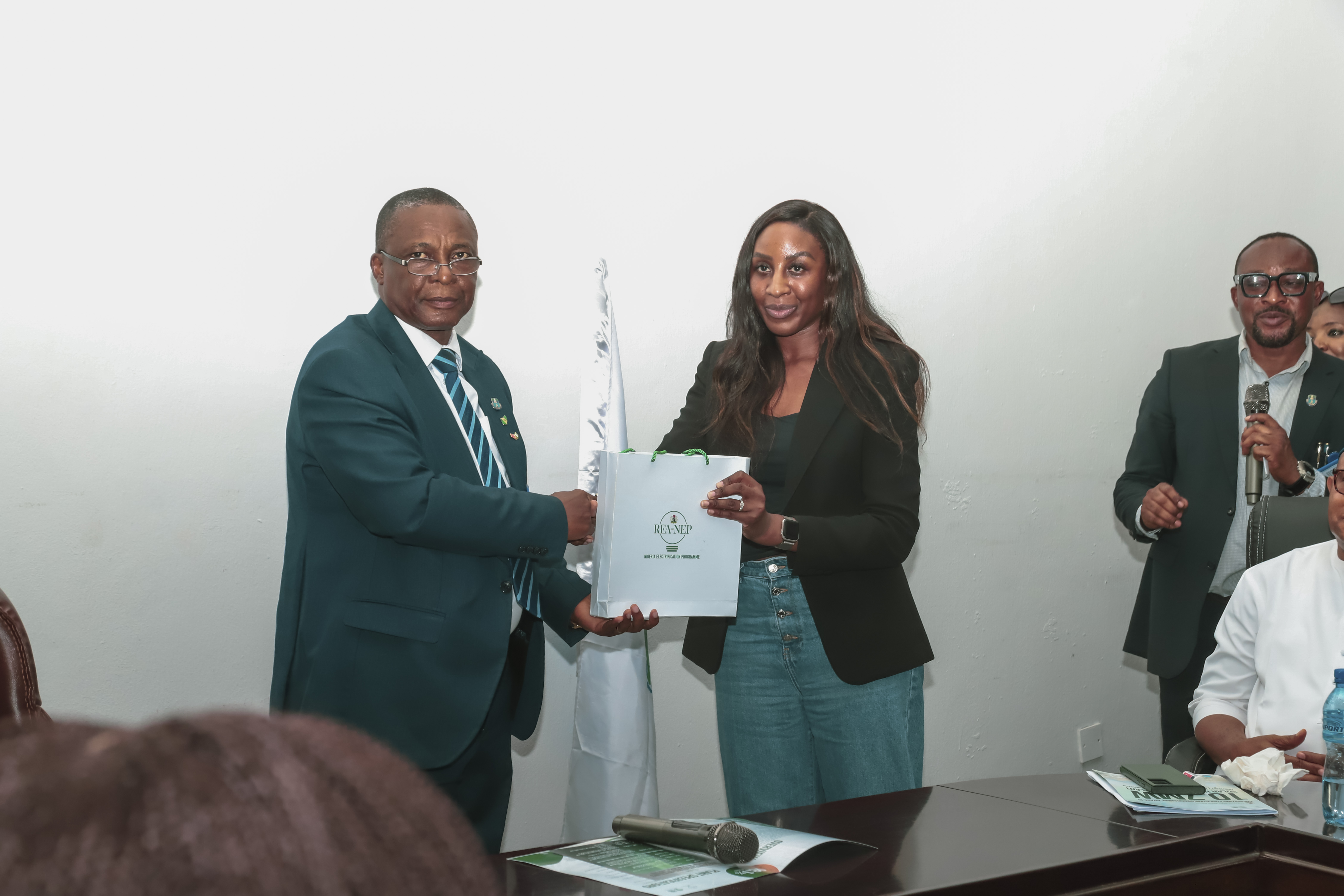
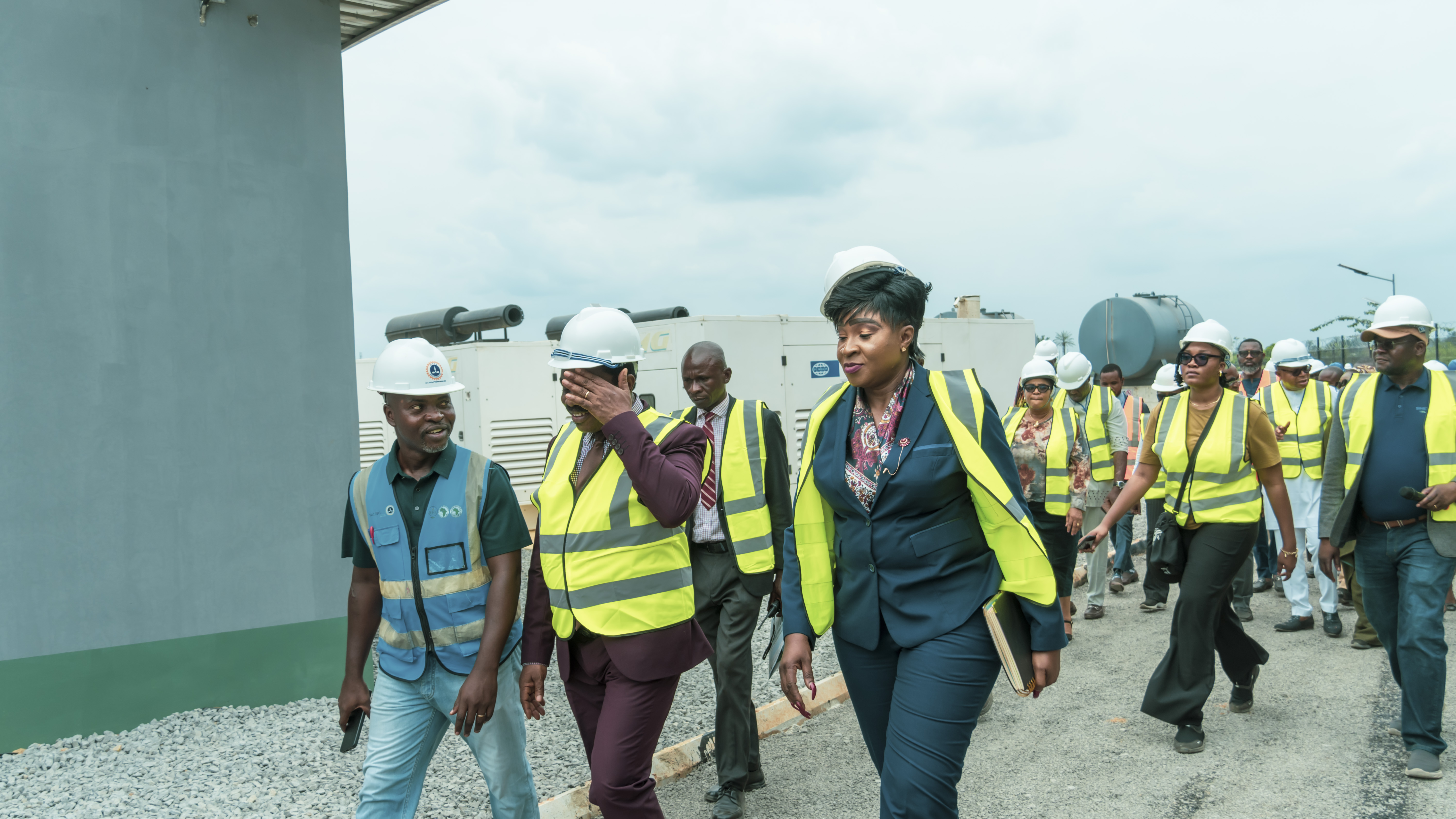
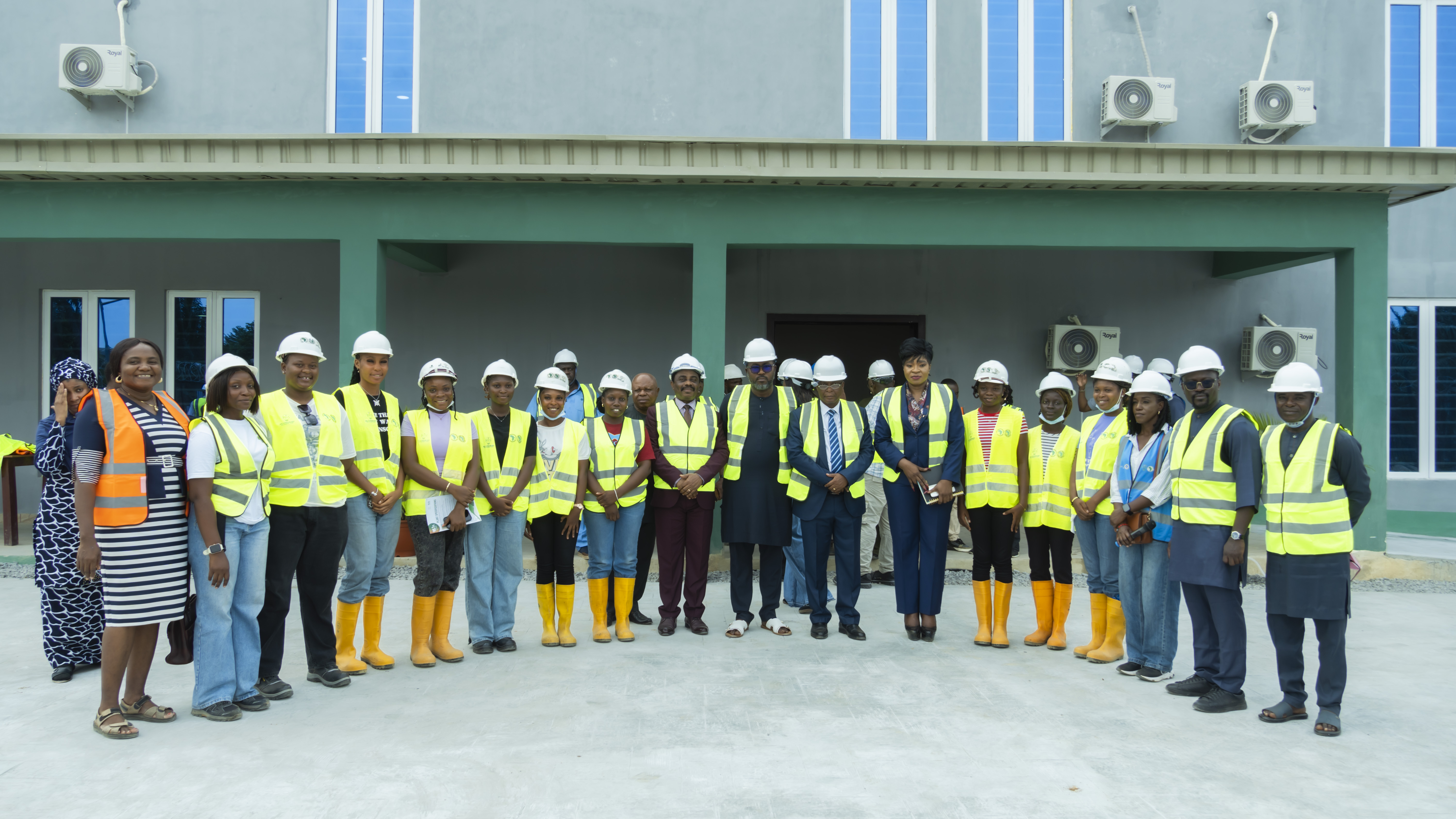
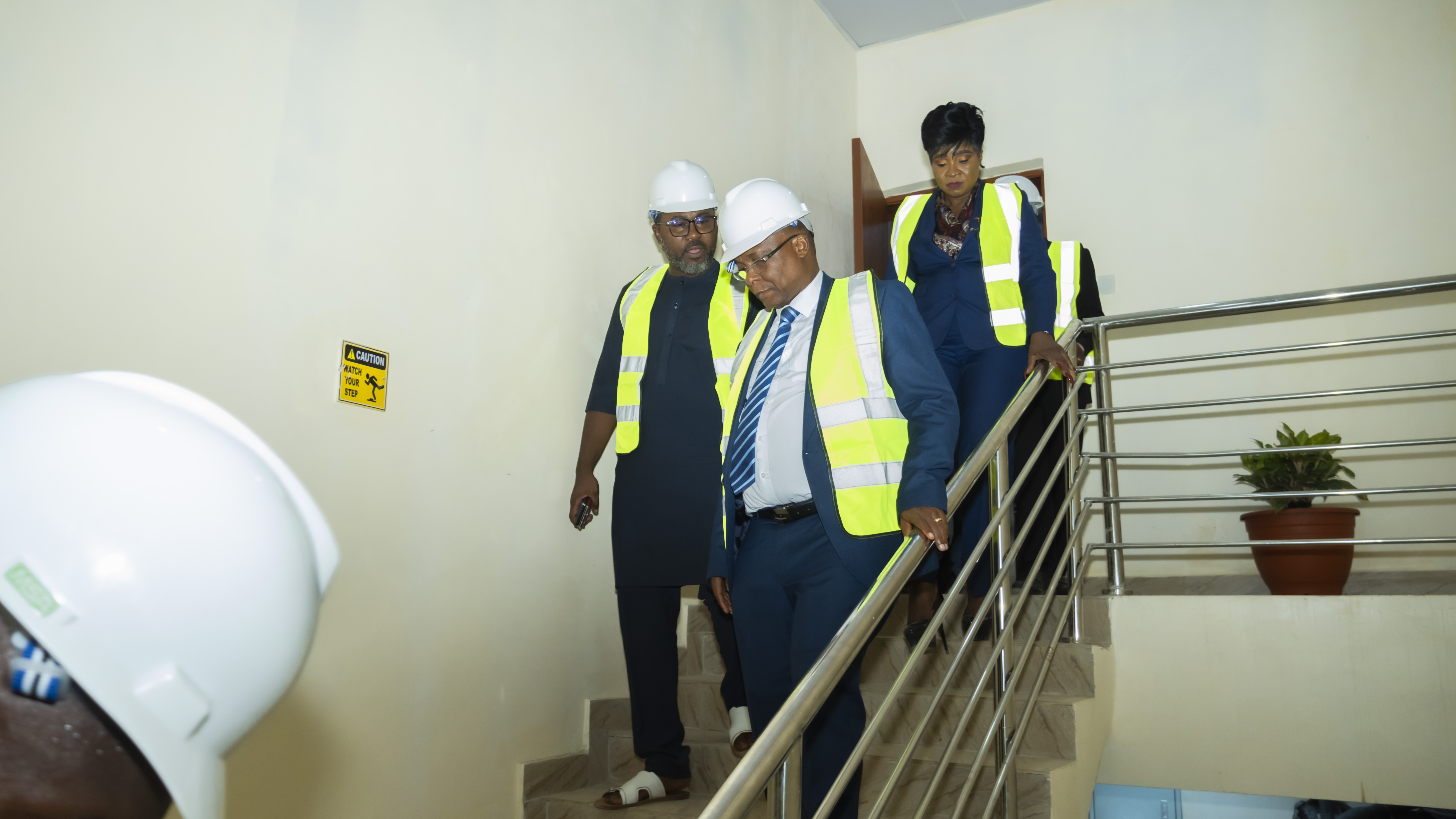
Nigeria’s journey toward transforming tertiary education through sustainable energy gained renewed momentum, as the Rural Electrification Agency (REA), the African Development Bank (AfDB), and the Federal Ministry of Finance undertook a joint inspection mission to key project sites under the Energizing Education Programme Phase III (EEP III). The strategic visit, held from 9–11 February 2026, underscored the Federal Government’s commitment to delivering reliable and uninterrupted electricity to academic institutions nationwide.
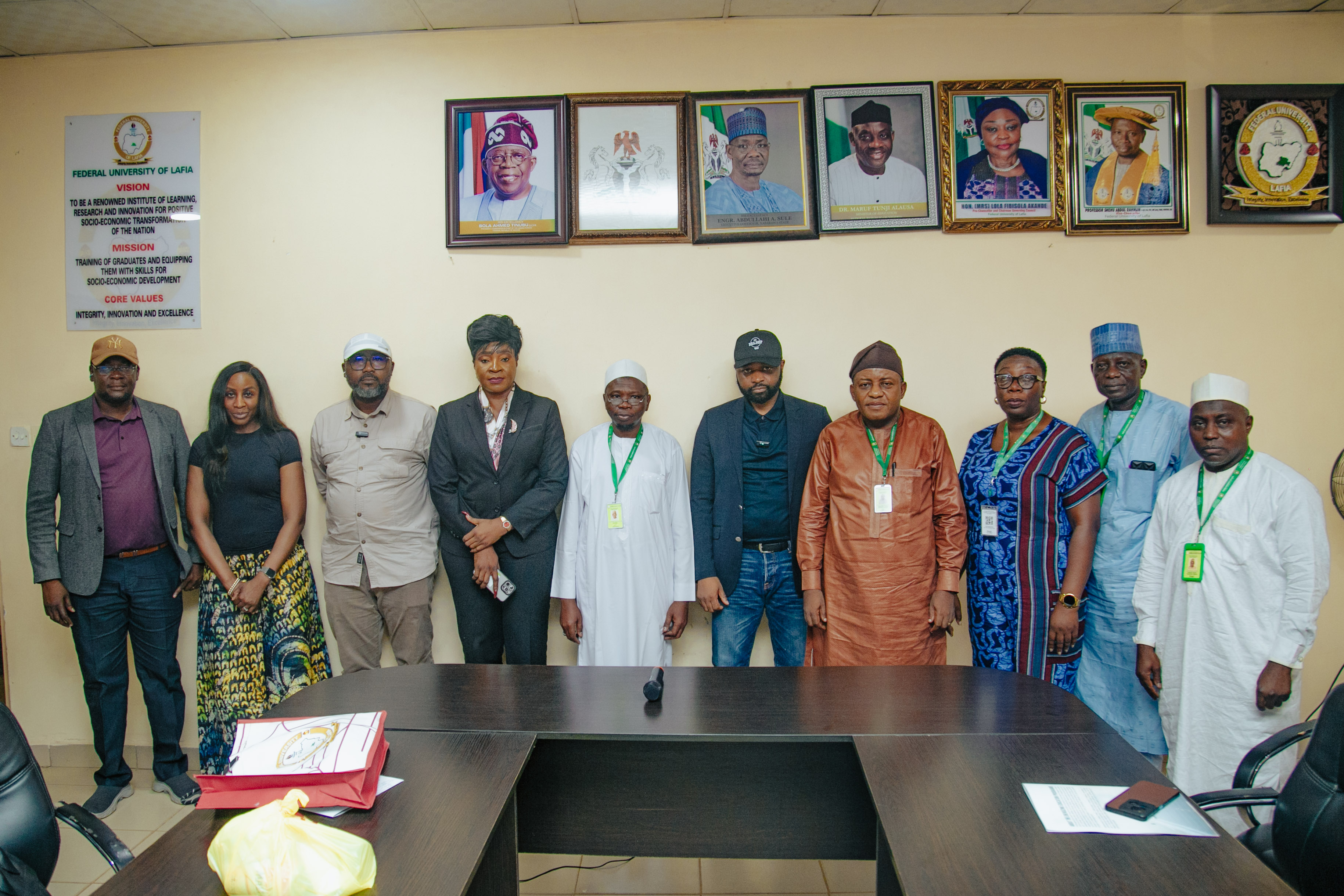
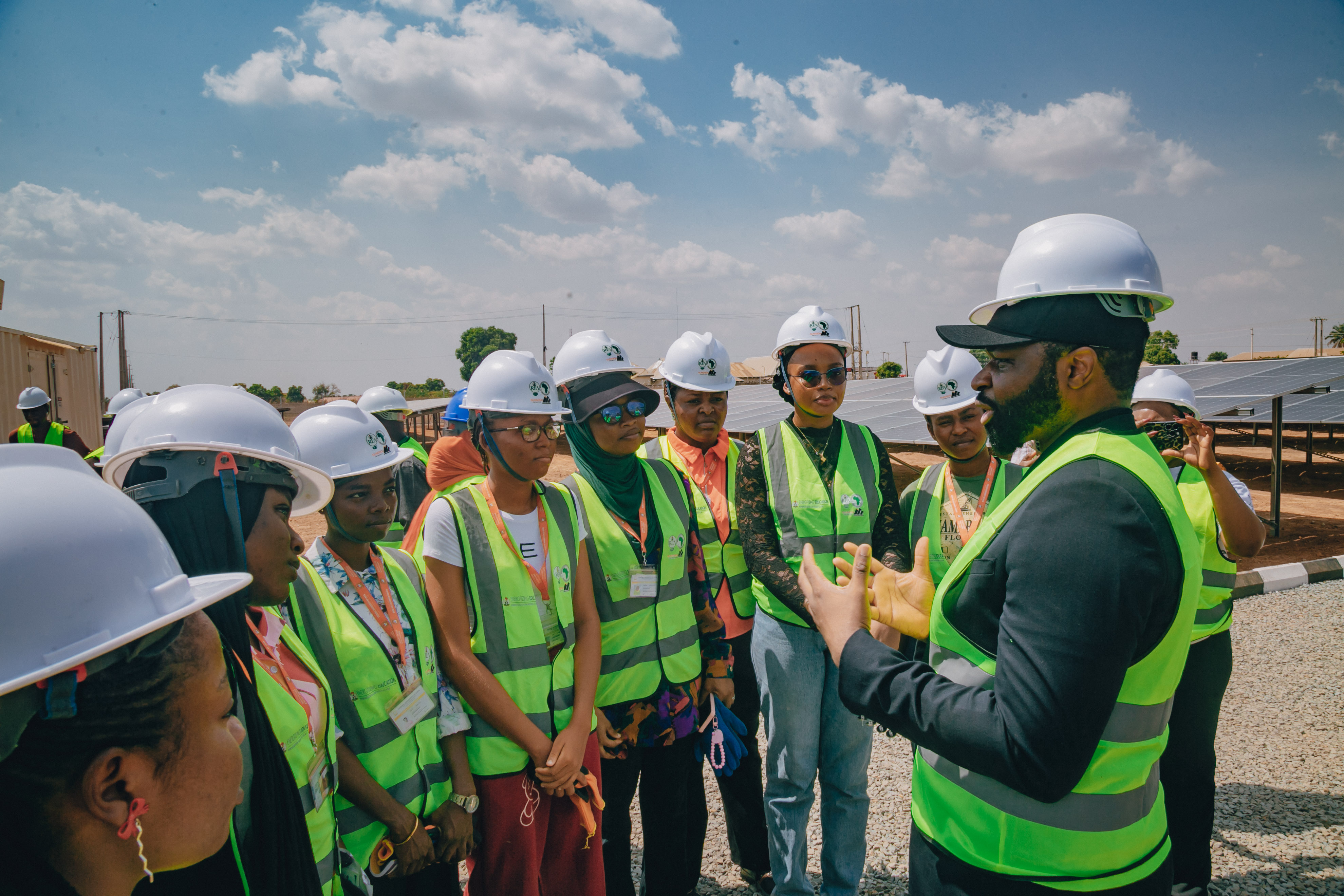
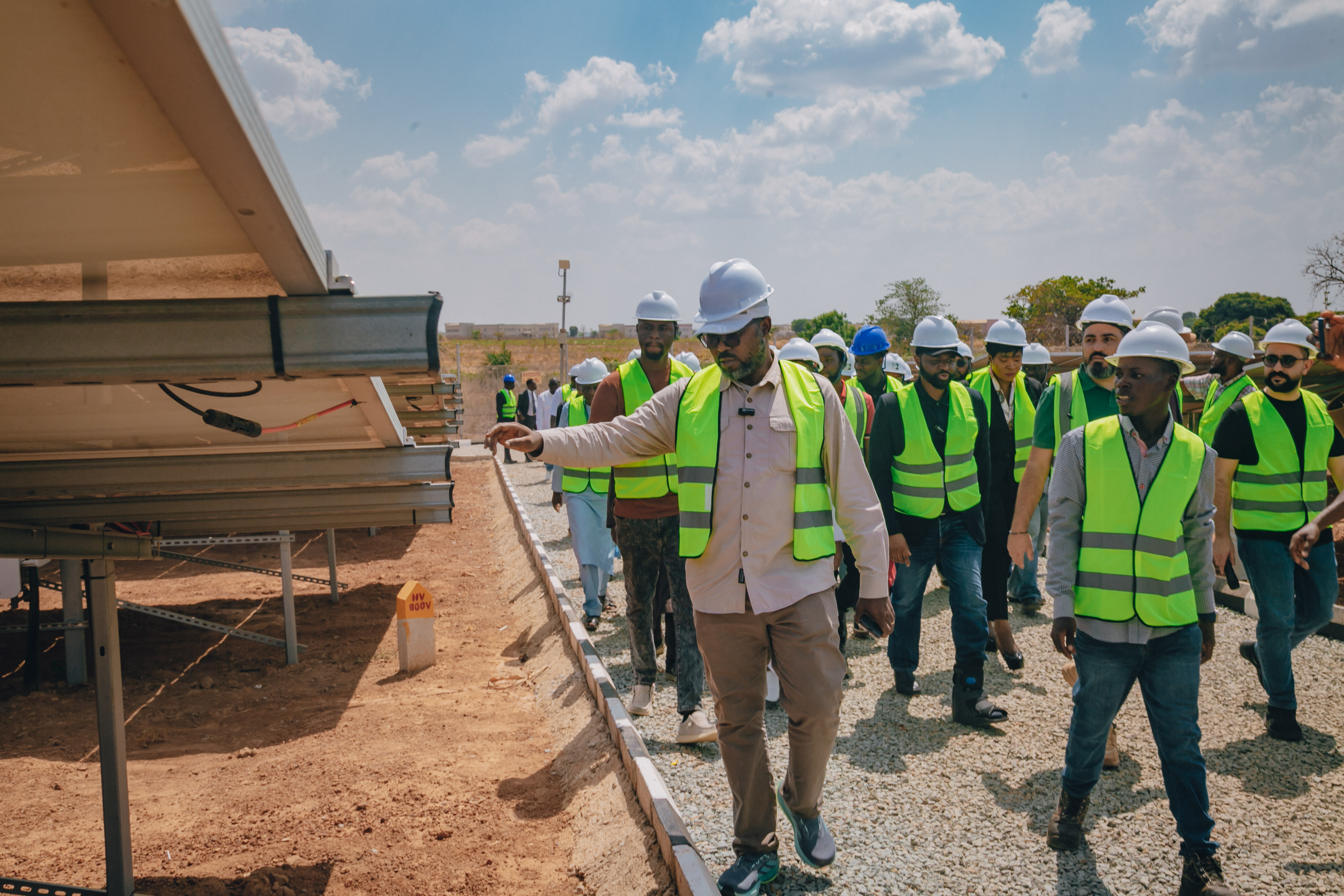
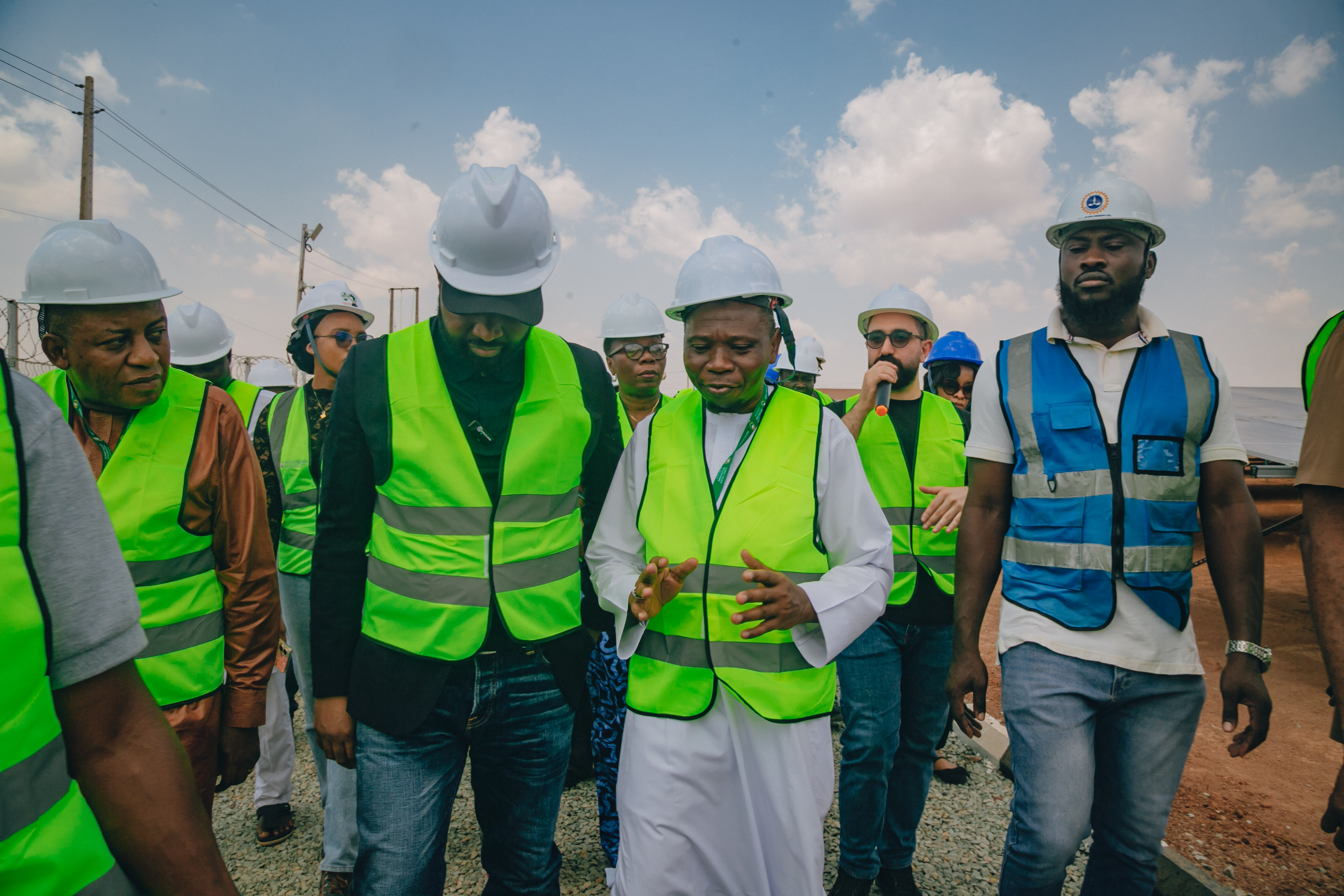
The delegation visited the 1.6MW solar hybrid power plant at Federal University Lafia and the 10.7MW installation at the University of Port Harcourt and its teaching hospital. The mission assessed technical progress, operational readiness, and long-term sustainability as the projects move closer to commissioning. Designed to power lecture halls, laboratories, ICT centers, and student hostels, the installations combine advanced photovoltaic systems, energy storage solutions, and backup infrastructure to ensure a continuous energy supply.
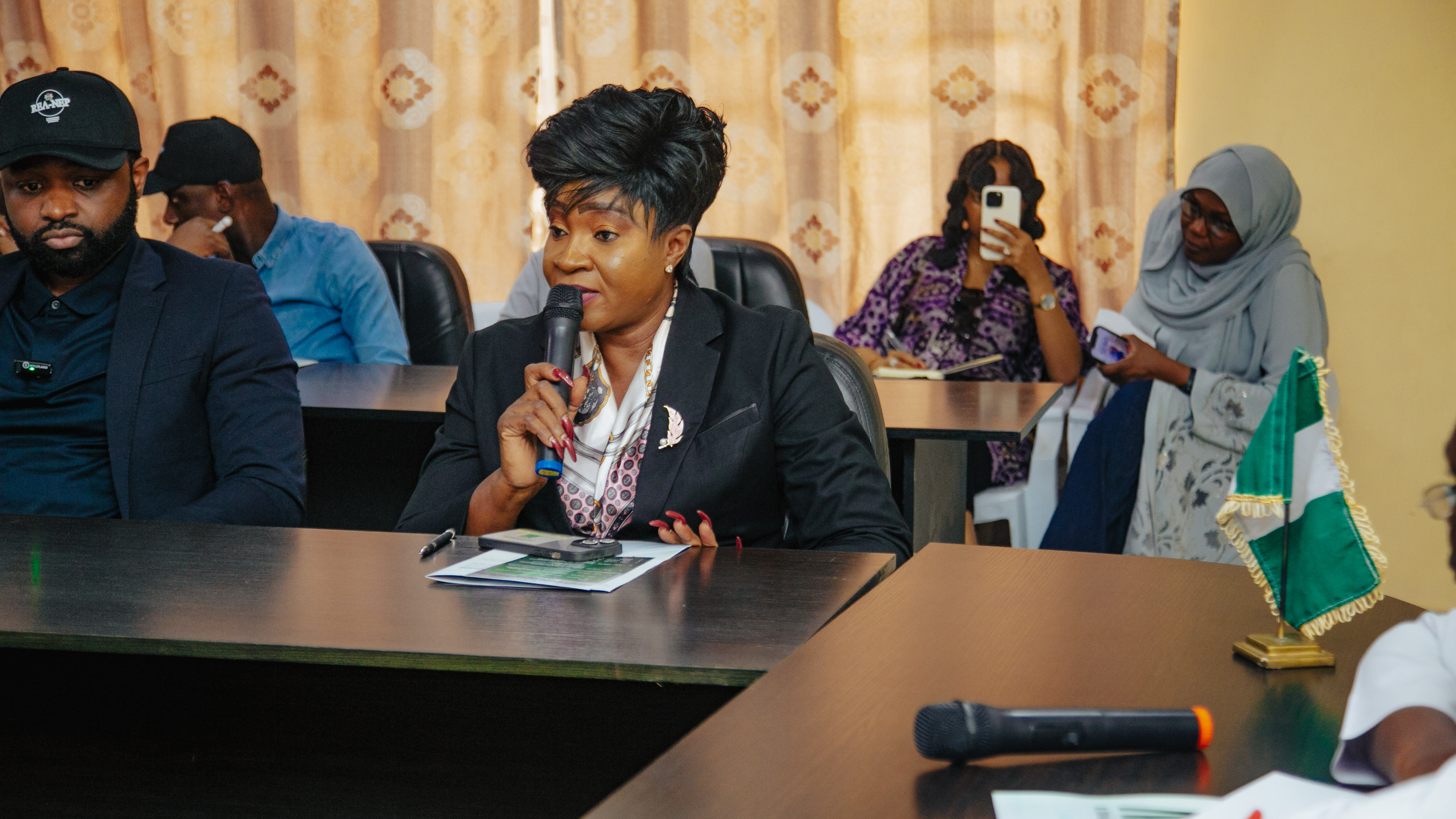
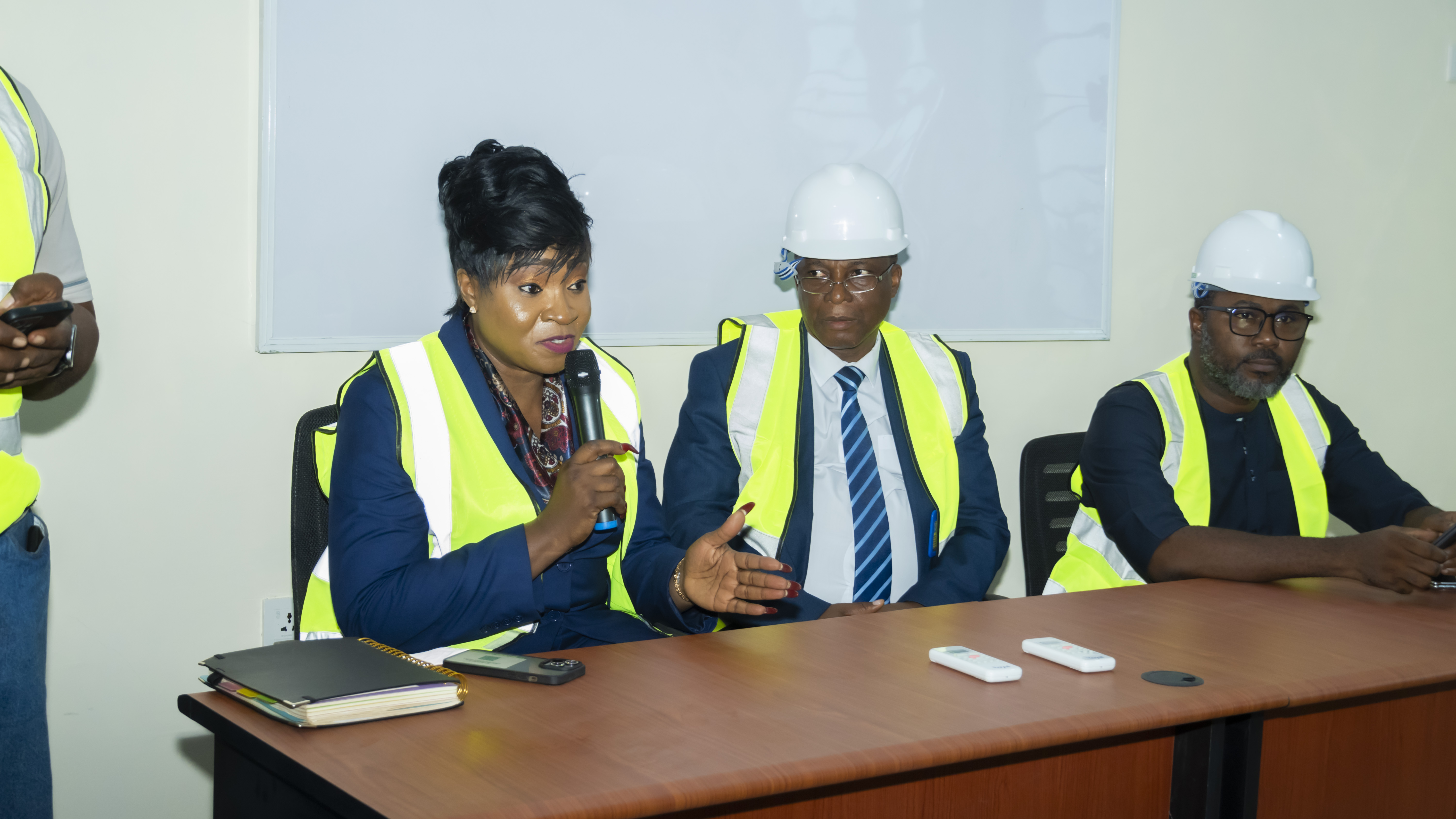
Speaking during the visit, the Head of the Nigeria Electrification Programme (NEP), Mr. Olufemi Akinyelure, emphasized the initiative’s strategic importance in expanding energy access within the current administration’s development agenda. He highlighted strong collaboration between government institutions and development partners, noting that sustainability frameworks, including structured operation and maintenance models, remain central to ensuring optimal plant performance over the long term.
Meanwhile, the AfDB task team lead, Engr. Chigoziri Egeruoh reaffirmed their commitment to supporting climate-friendly infrastructure that strengthens institutional resilience. He emphasized the regular utilization of the facility for 24 hours power supply to the universities to enhance learning and research
Also, the Assistant Director of the Ministry of Finance, Dr. Oyebola Akande, noted the financial and operational benefits of reliable energy for universities, calling for a strategic plan toward ensuring sustainability and longevity of the plants in serving the institutions optimally
As EEP Phase III advances toward commissioning, the programme stands as a powerful example of how coordinated partnerships can drive national transformation. By powering campuses and hospital environment with clean, reliable energy, Nigeria is not only solving longstanding electricity challenges but also illuminating a future where innovation, research, medical treatment and learning thrive without interruption.




Loading comments…