News
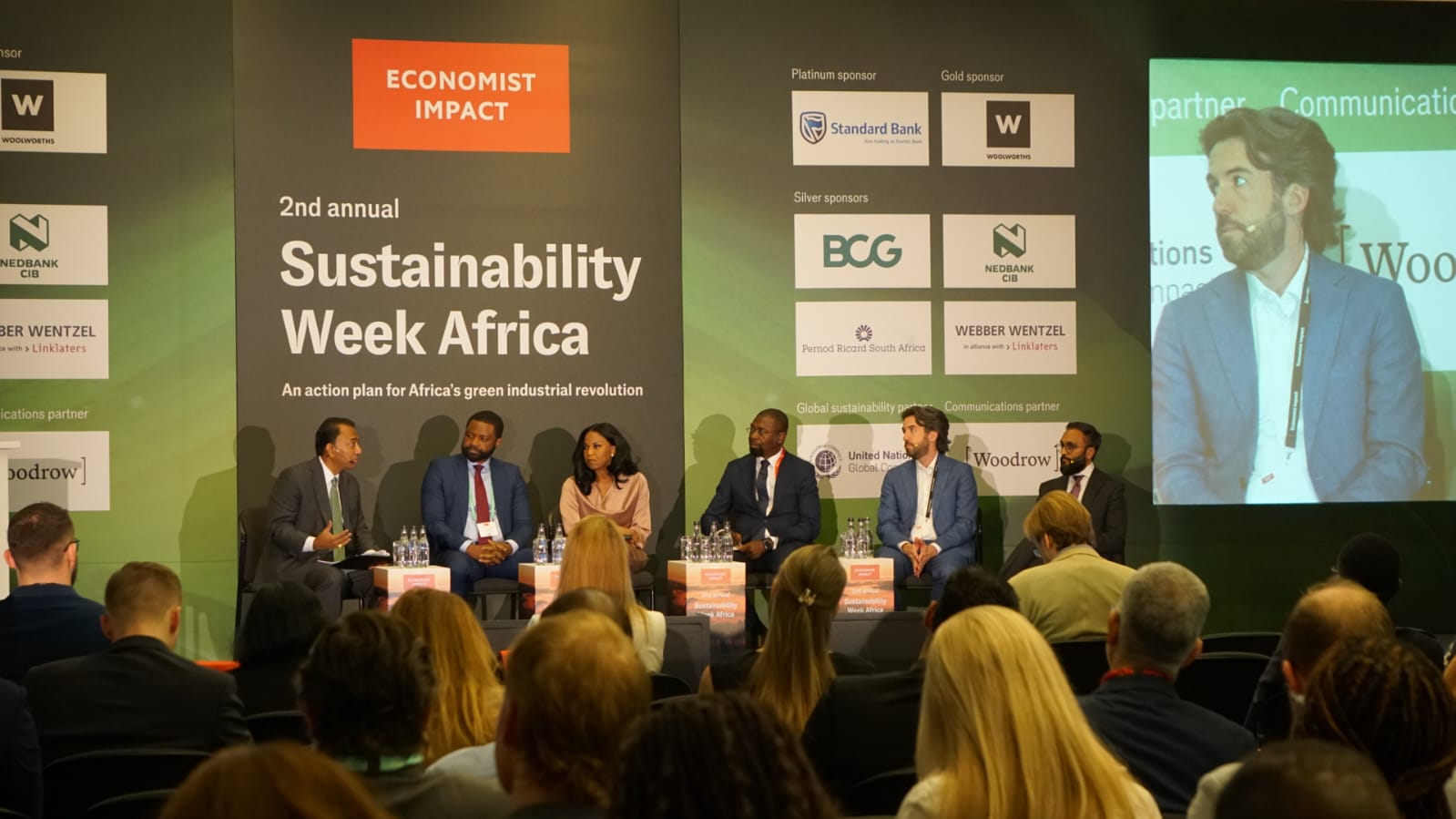
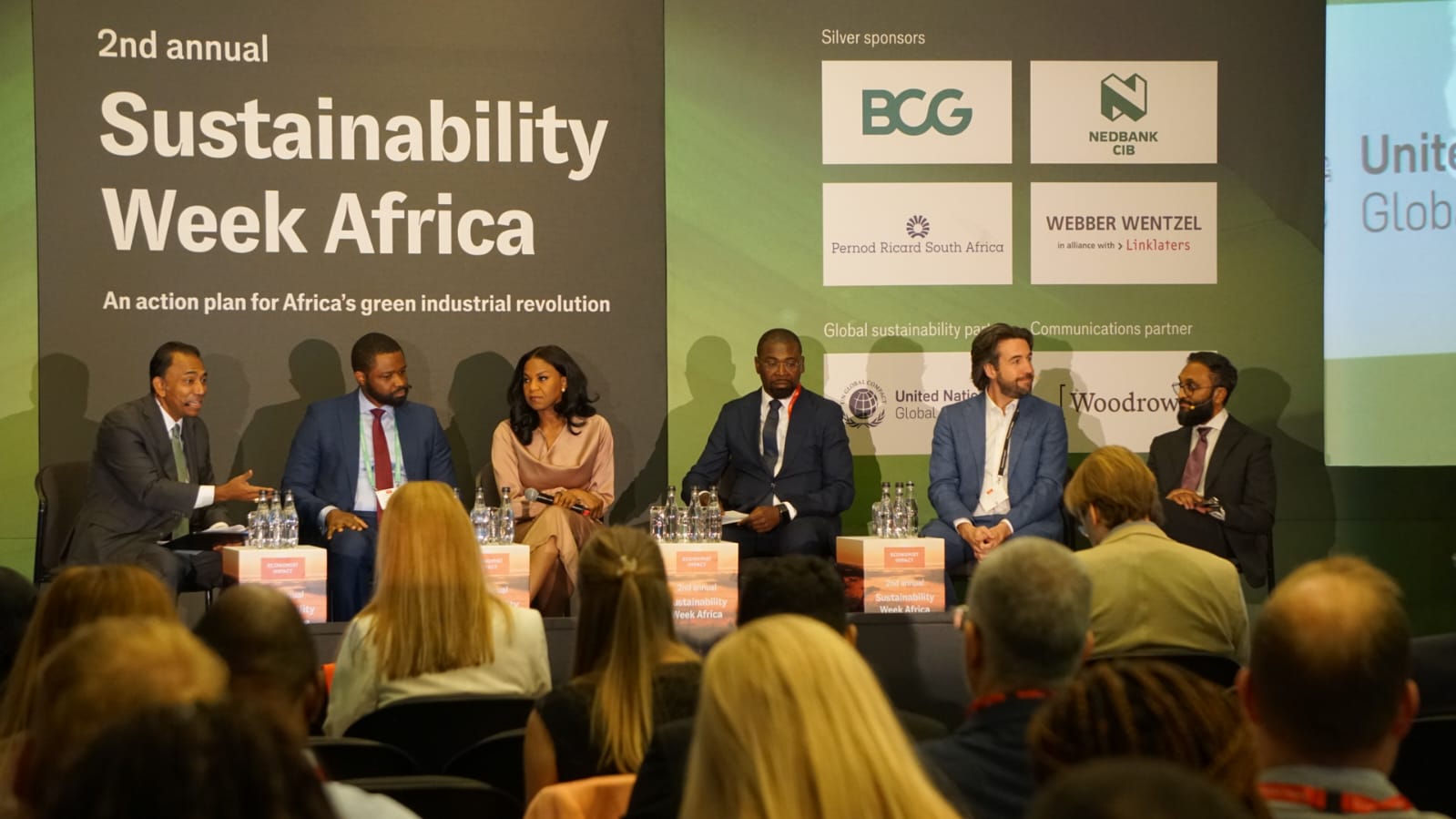
Nigeria’s strategic approach to scaling sustainable energy access took center stage this week as Mr. Olufemi Akinyelure, Head of the Nigeria Electrification Programme (NEP), joined global leaders at The Economist Impact’s Sustainability Week Africa 2025, held in Cape Town on 30th – 31st October.
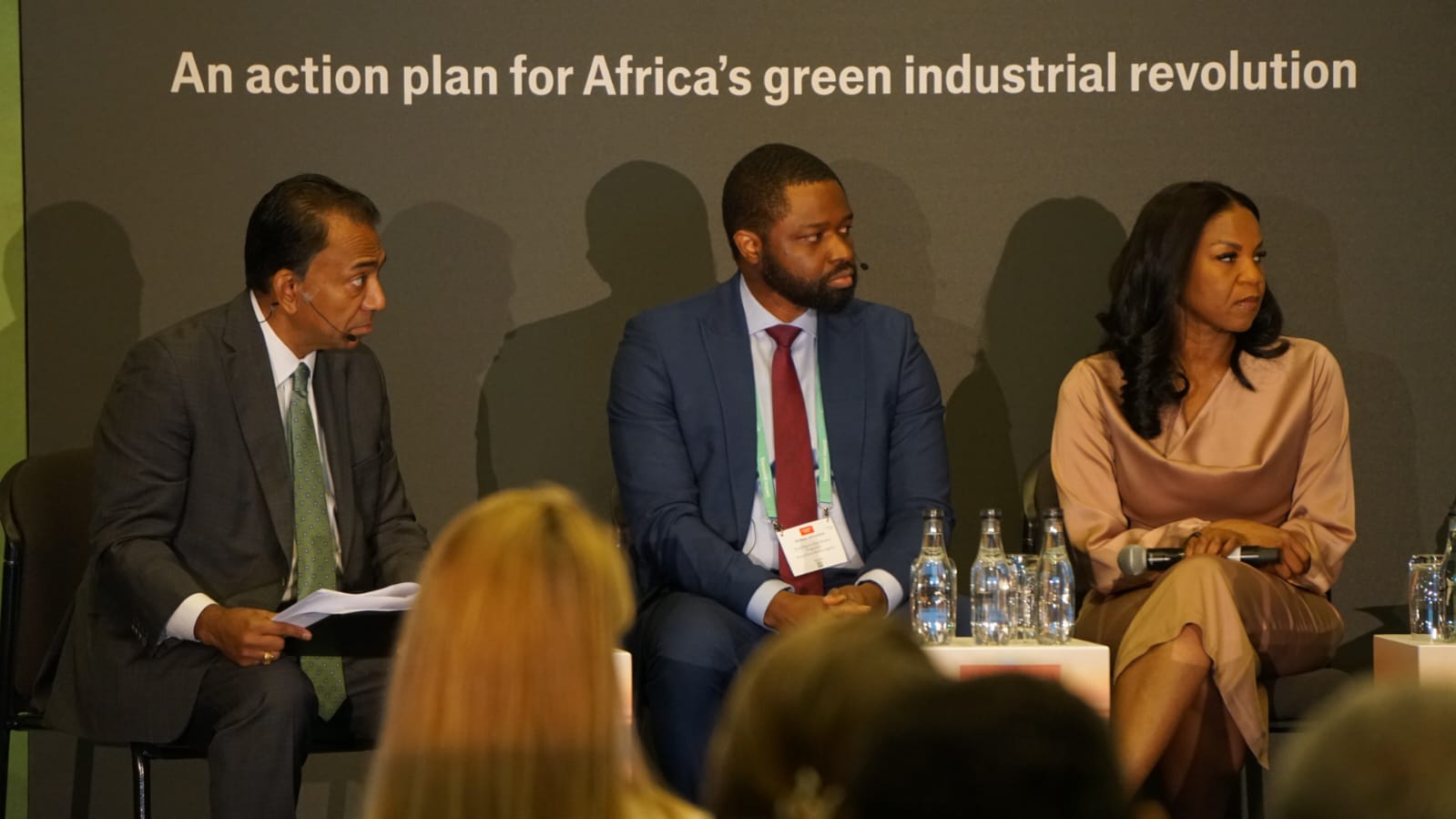
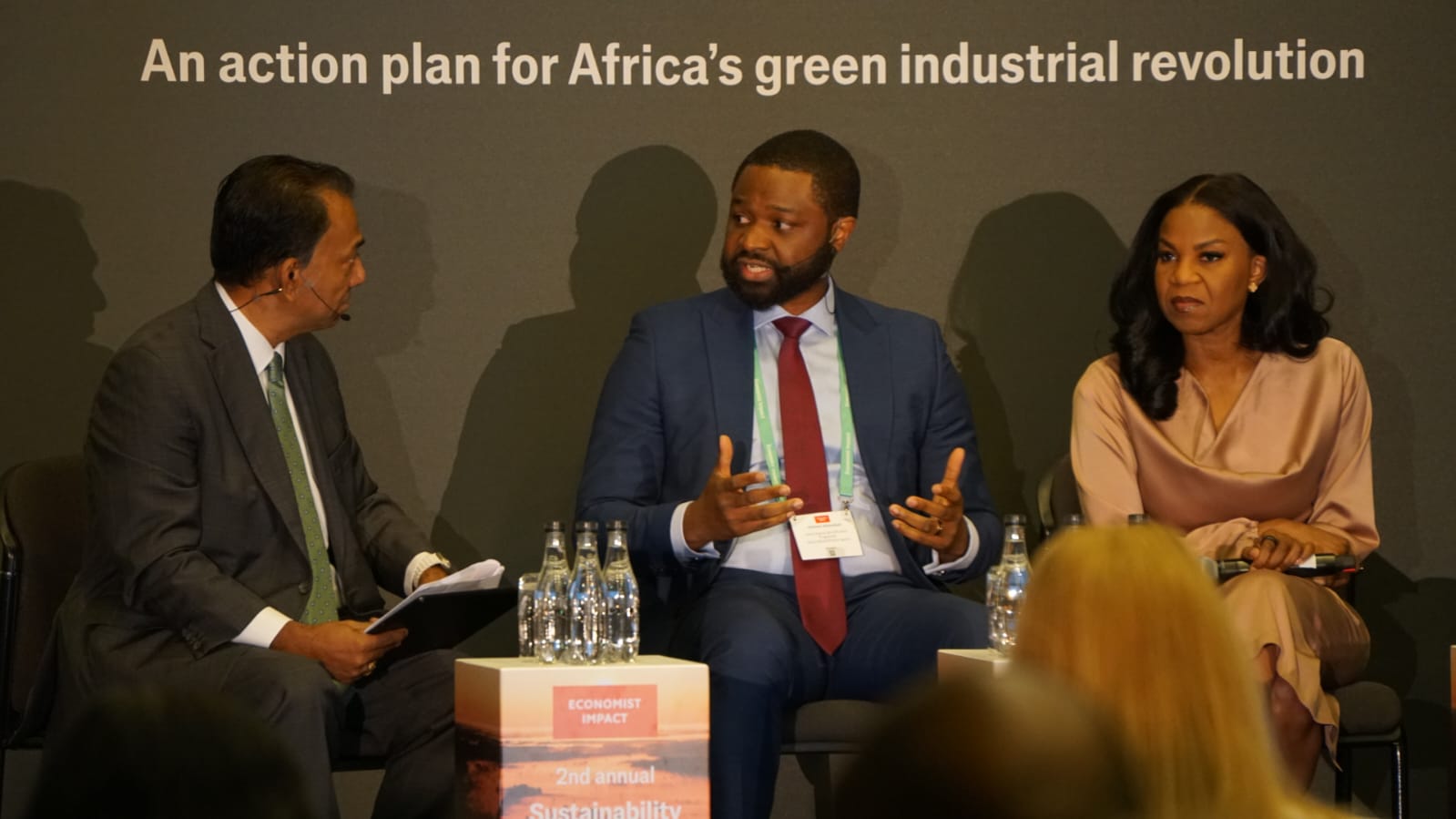
Speaking during the high-level panel “Mission 300 - Bringing Power to 300 Million Africans by 2030,” Mr. Akinyelure shared insights from Nigeria’s journey in deploying renewable energy solutions for underserved communities, while emphasizing that the future of electrification requires more than infrastructure deployment.
“Sustainability goes beyond hardware,” he noted. “It is about building institutions, transferring knowledge, and strengthening local capacity so that systems remain functional long after the ribbon is cut.”
The panel brought together influential voices shaping Africa’s energy landscape, including Damilola Ogunbiyi, CEO of Sustainable Energy for All (SEforALL), Vijay V. Vaitheeswaran, Global Energy & Climate Innovation Editor, The Economist, Wale Shonibare, Director, Energy Financial Solutions, Policy & Regulation, African Development Bank Group (AfDB), and T. Patrick Walsh, Co-Founder & CEO, Sun King to discuss the future of energy access on the continent. alongside other international development and private sector leaders. Discussions centered on accelerating pathways to achieve universal access to electricity across the continent while ensuring resilience, affordability, and long-term impact.
Nigeria’s Model: Results-Based Financing Driving Scale and ConfidenceRepresenting the Rural Electrification Agency (REA), Mr Akinyelure highlighted the significant role played by Nigeria’s innovative Results-Based Financing (RBF) mechanism under NEP and now carried forward into the Distributed Access through Renewable Energy Scale-Up (DARES) programme.
By linking disbursement to verified project milestones, the RBF approach has:
- • Enabled the deployment of over 200 solar hybrid mini-grids
- • Supported the distribution of more than one million solar home systems
- • Unlocked greater private-sector participation and investor confidence
- • Expanded affordability and access for low-income communities
“Evidence-based financing has proven that when performance is rewarded, impact follows,” Akinyelure said. “It is a model that works and one that must be scaled across Africa.”
Looking Ahead: Sustainability as a Continental MandateWhile celebrating progress, Akinyelure stressed that the next phase of Africa’s electrification journey must prioritize system sustainability and local ownership over short-term delivery metrics.
“Beyond the numbers is a bigger story one of partnership, innovation, and a shared resolve to build an energy future that outlives any one project,” he added.“To reach 300 million people by 2030, we must align policy, finance, and implementation in a way that strengthens local systems and empowers communities.”
A Shared Commitment to Africa’s Energy FutureAs the session concluded, Akinyelure underscored the shared responsibility of governments, private investors, and development institutions:
“The next decade must be defined by sustainability at scale—solutions that are locally owned, financially viable, and designed to stand the test of time. Only then will electrification translate into lasting development.”
With leaders and innovators across sectors aligned on this mandate, the momentum toward a resilient, inclusive, and electrified Africa continues to grow.
Loading comments…