News
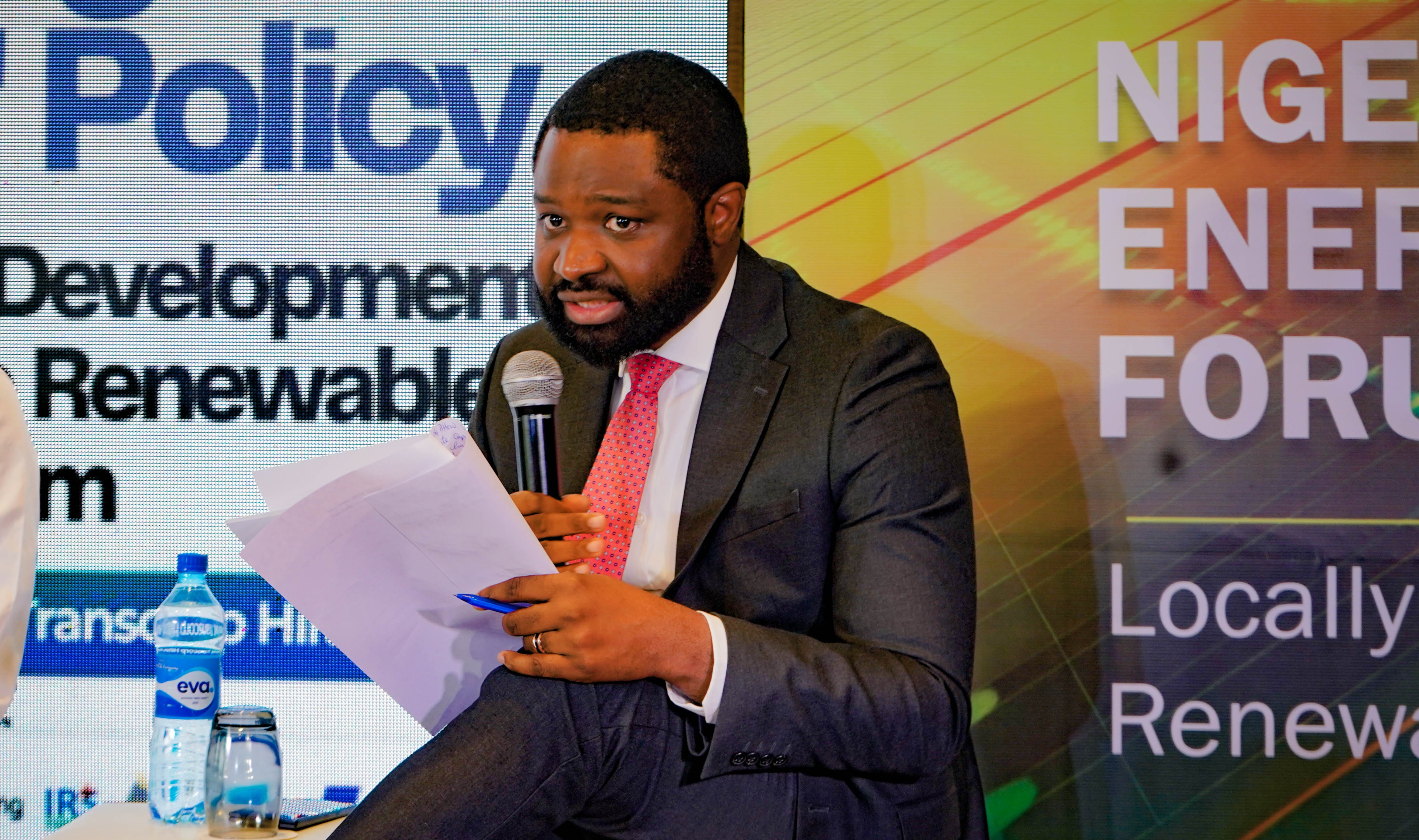
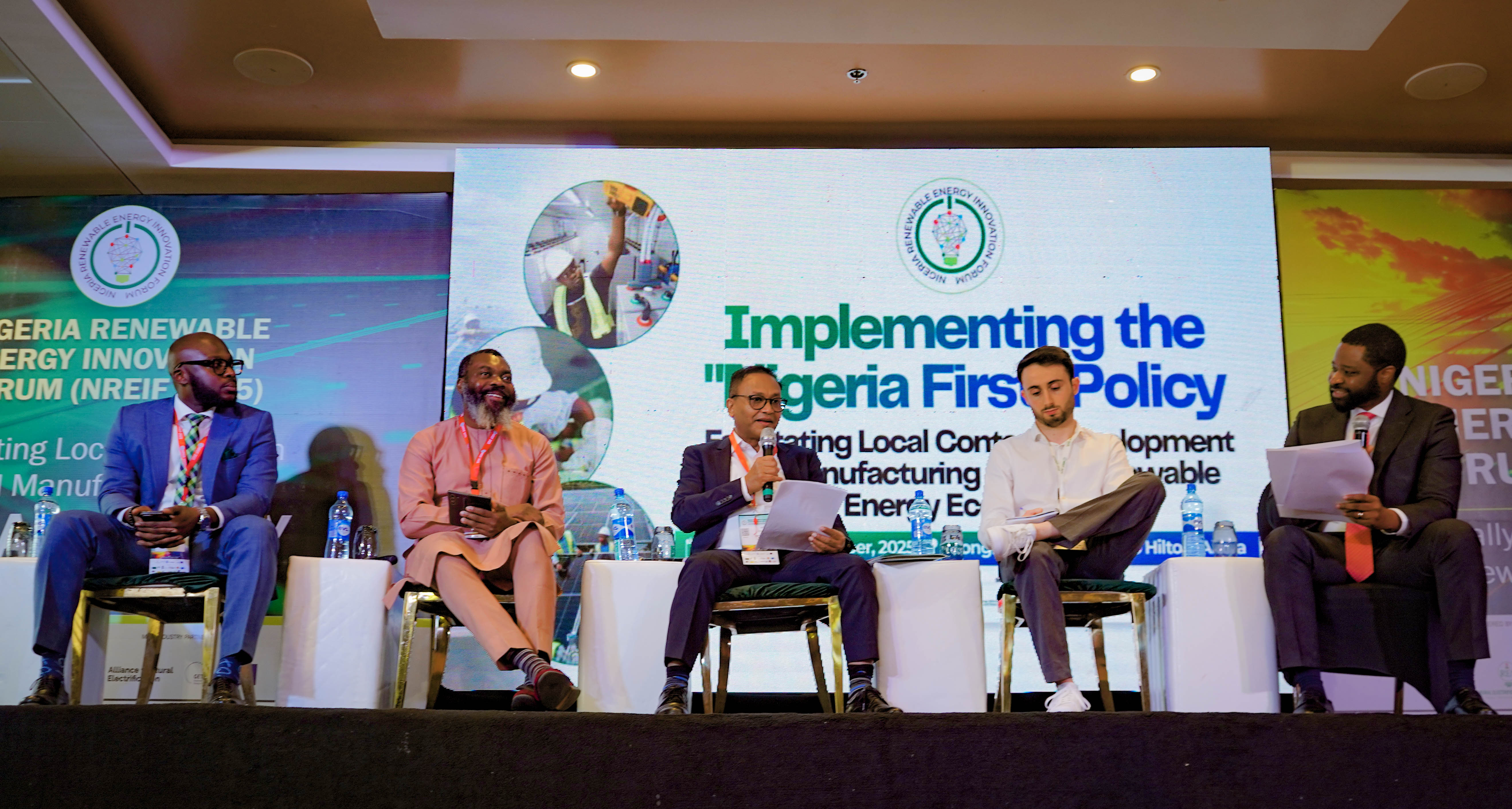
The Head of the Nigeria Electrification Programme (NEP), Mr. Olufemi Akinyelure, on Tuesday moderated a high-level dialogue at Day 2 of the Nigeria Renewable Energy Innovation Forum (NREIF 2025), where the spotlight was on Nigeria’s strategic opportunity to advance from technology adoption to local manufacturing in the renewable energy value chain.
The session, themed “From Innovation to Adoption: Battery Storage and Nigeria’s Role in the Global Value Chain,” explored the central role of domestic battery production in unlocking the country’s industrial and economic potential. Discussions reaffirmed that Nigeria’s energy transition cannot be fully realised without building the capacity to produce, assemble, and maintain the systems driving clean energy deployment.
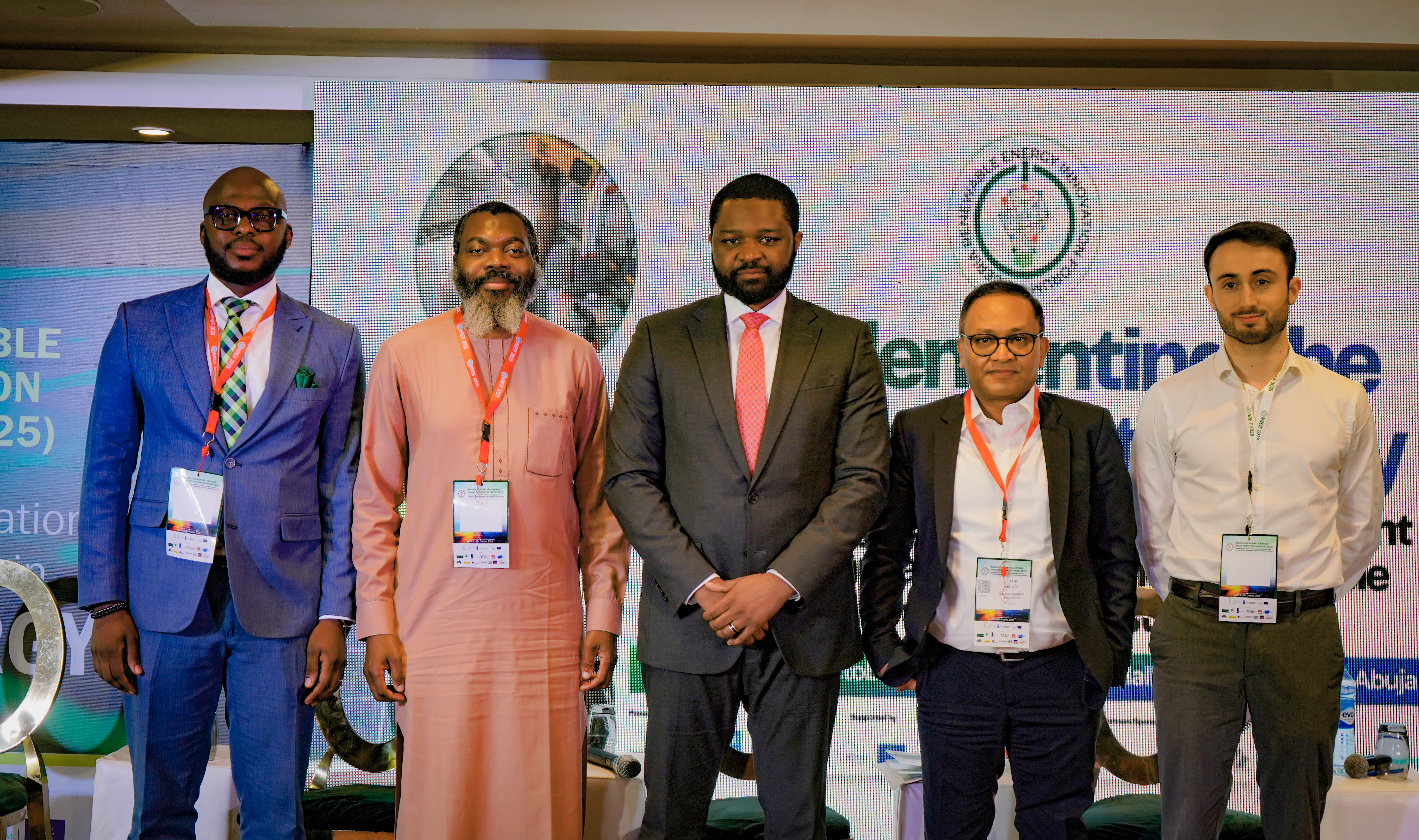
Panelists at the session included Mr Mikel Valderrama Business Development Manager Cegasa Energia, Mir S. Islam the MD EM-One, Abdukadir Oladapo of Murty Energy, and Chibueze Ekeh of CEESOLAR. Collectively, they agreed that achieving sustainability and independence in Nigeria’s renewable energy sector requires decisive investment in localizing the battery storage value chain.
Mr. Akinyelure underscored that local battery storage manufacturing is vital for reducing project costs, minimizing downtimes, and ensuring the operational longevity of renewable assets. “If we already have the minerals, why shouldn’t we be leading in production?” he asked, highlighting Nigeria’s competitive advantage in mineral resources such as lithium and nickel — both essential for battery manufacturing.
According to Mr Mikel Valderrama, Business Development Manager Cegasa Energia Nigeria’s policy signals should identify and promote specific raw materials that are most attractive for establishing local battery assembly plants. He emphasized that political stability, clear policy direction, and a supportive regulatory environment were essential for the success of local battery production. He further noted the importance of financial backing to secure the necessary capital, as well as the need to develop a critical mass of experts within the ecosystem to ensure effective implementation.
Beyond manufacturing, the conversation delved into sustainable practices, with calls for investment in battery recycling systems, enhanced research, and collaboration with tertiary institutions to nurture a new generation of experts capable of driving innovation in the sector. Participants also stressed the need for supportive government policies and financing structures to foster a thriving ecosystem for renewable energy manufacturing.
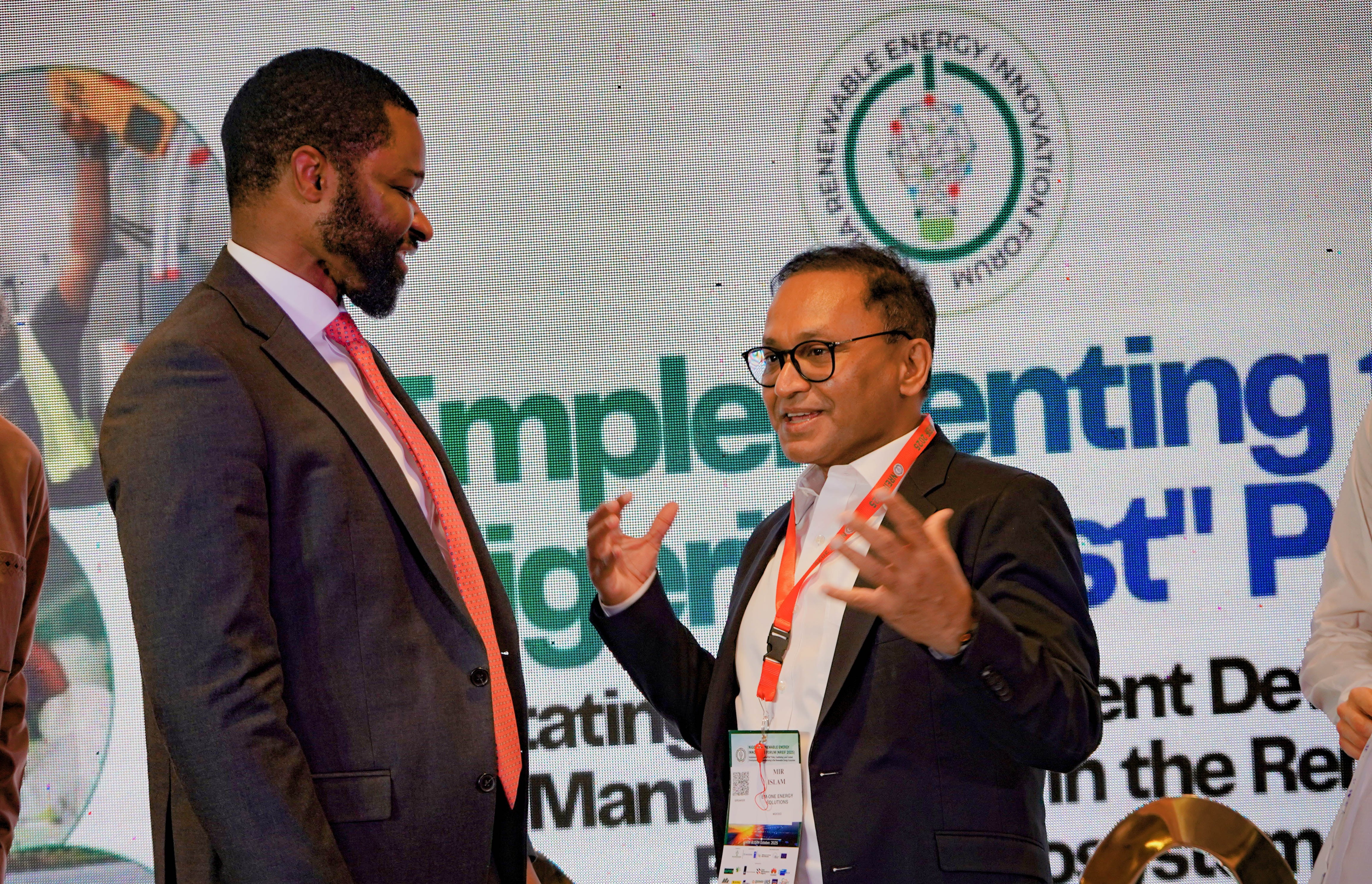
Mir Islam, the Managing Director EM-One explained that without adequate storage, solar power remains intermittent, but with it, renewables become reliable, dispatchable, and scalable—serving as the backbone of the national grid. He stressed the need to classify battery storage as critical energy infrastructure to accelerate the country’s renewable energy transition. According to him, technical constraints such as limited sizing and configuration options for large-scale and industrial battery systems, along with long delivery timelines—often up to 150 days from order to project site—hinder project efficiency. He added that establishing local battery assembly plants would significantly reduce these delays.
While responding to the panel questions, Mr. Abdul Kadir Oladapo, CEO of Muthy, emphasized that catalytic financing projects play a crucial role in unlocking private capital across the battery storage and mineral value chain. He explained that private investors are often reluctant to commit funds to grid exploration without clear government efforts to de-risk investments. While acknowledging Nigeria’s progress in this regard, he stressed that more incentives are needed to attract major mining players. Oladapo pointed out that several African countries have already conducted comprehensive resource assessments, making them more appealing to global investors, whereas Nigeria has only carried out one such study despite its vast mineral potential. He therefore urged greater investment in geological data and resource mapping to enhance Nigeria’s attractiveness to large-scale private investors.
Chibueze Ekeh, the CEOCEESOLAR emphasized that Nigerian universities have a vital role in driving indigenous innovation and adaptation of battery technologies suited to the local climate. He explained that through research and study, universities can contribute significantly to addressing climate change while advancing the Sustainable Development Goals (SDGs). He noted that since battery storage constitutes a major portion of solar mini-grid costs, research aimed at local battery assembly could lower tariffs in rural communities and make clean energy more affordable. He added that universities not only benefit from battery-powered systems but also serve as key partners in studying the social and environmental impacts of mini-grids. Mr. Chibuese commended the Rural Electrification Agency (REA) for fostering collaboration and supporting research initiatives in this area.
Drawing from NEP’s field implementation experience, Mr. Akinyelure reaffirmed the Federal Government’s commitment, through the Rural Electrification Agency (REA), to provide catalytic financing, technical assistance, and policy frameworks that ensure operational resilience and long-term sustainability. “Deployment alone is not the measure of success; the systems must remain reliable and functional throughout their lifecycle,” he noted.
The dialogue concluded with a shared vision to position Nigeria as a regional hub for battery storage manufacturing and renewable energy innovation. Stakeholders agreed that with coordinated action across government, industry, and academia, Nigeria can leverage its mineral wealth, human capital, and market size to establish a globally competitive battery value chain fueling inclusive economic growth and ensuring reliable access to clean energy for communities nationwide.
Loading comments…