FG Commissions 3MW Solar Hybrid Power Project at Yakubu Gowon University
The Federal Government has commissioned a 3MW captive solar hybrid power project at Yakubu Gowon University, Abuja, strengthening electricity supply for teaching, research, laboratories, digital services and other critical university operations.

Figure 1 The Honourable Minister of Power, Joseph O. Tegbe, performs the symbolic ribbon-cutting to officially commission the 3MW Solar Hybrid Power Project, delivered by the Rural Electrification Agency under the Energizing Education Programme Phase II, at Yakubu Gowon University on 16 September 2026.
The project was delivered under Phase II of the Energizing Education Programme (EEP), implemented by the Rural Electrification Agency (REA) through the World Bank-funded Nigeria Electrification Project (NEP).
With almost 40,000 students, including more than 8,000 living on campus, and over 3,500 staff, the university has substantial electricity requirements across its academic, residential and administrative facilities.
Commissioning the facility on Wednesday, the Honourable Minister of Power, Joseph O. Tegbe, said the investment demonstrated the practical connection between Nigeria’s energy transition and human capital development.
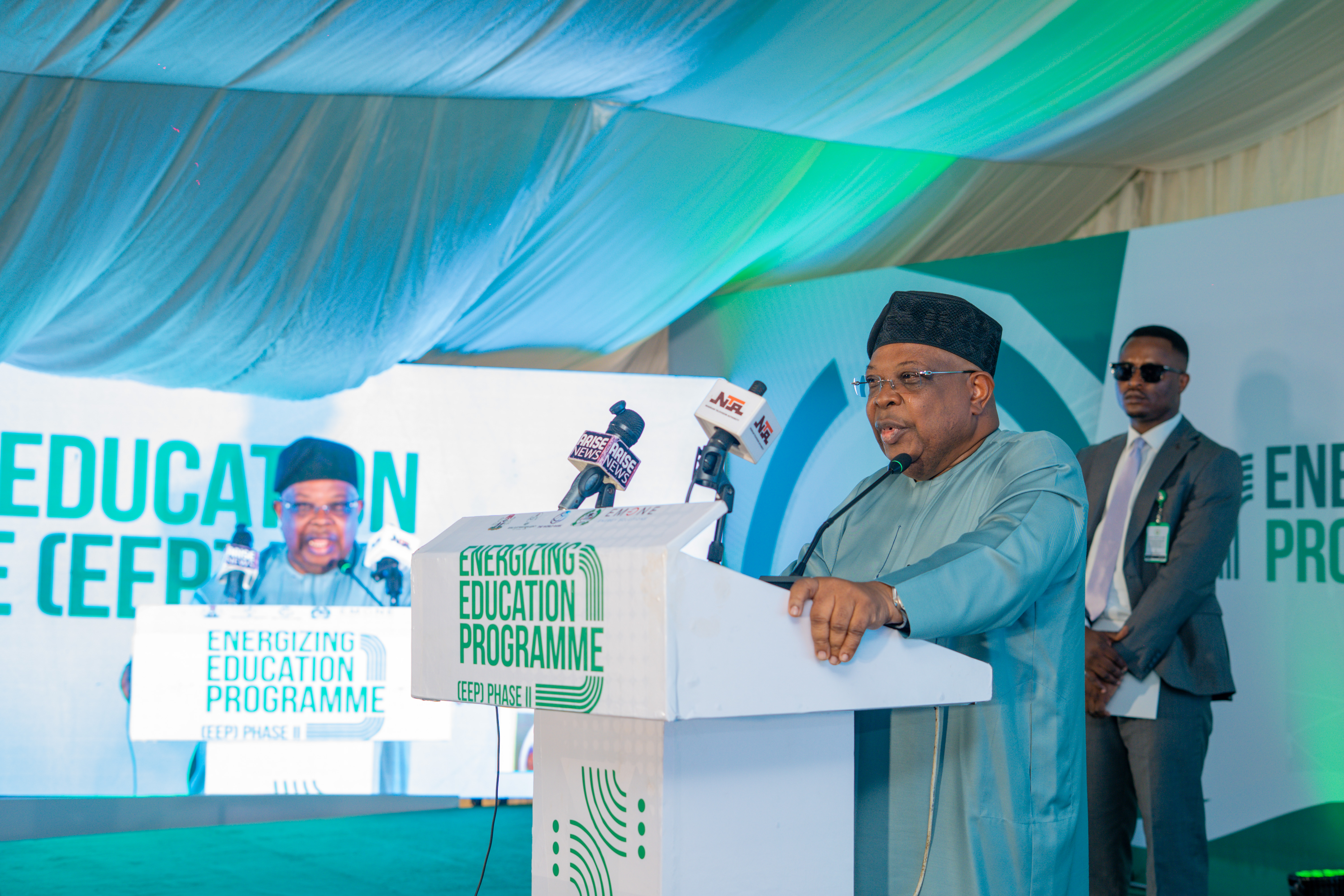
Figure 2 The Honourable Minister of Power, Joseph O. Tegbe, delivers his keynote address during the commissioning of the 3MW Solar Hybrid Power Project, delivered by the Rural Electrification Agency under the Energizing Education Programme Phase II, at Yakubu Gowon University on 16 September 2026.
“There is perhaps no better place to demonstrate the practical value of Nigeria’s energy transition than a university,” Tegbe said. “A university brings together everything that a modern energy system is expected to support: learning, research, healthcare, technology, administration and, increasingly, the digital infrastructure through which knowledge is created and shared.”
The Minister said the facility would provide a more reliable energy base for teaching and research, while stressing that its long-term performance would be the real measure of the investment.
“The commissioning is not the conclusion of the investment. It is the beginning of its most important phase,” he said.
Tegbe linked this focus on sustainability to the recently established Renewable Asset Management Company (RAMCO), which is intended to strengthen the long-term management and performance of renewable energy assets.
Managing Director/CEO of REA, Abba Aliyu, said the Energizing Education Programme had grown beyond providing electricity infrastructure to demonstrating how energy investment can support education and human capital development.
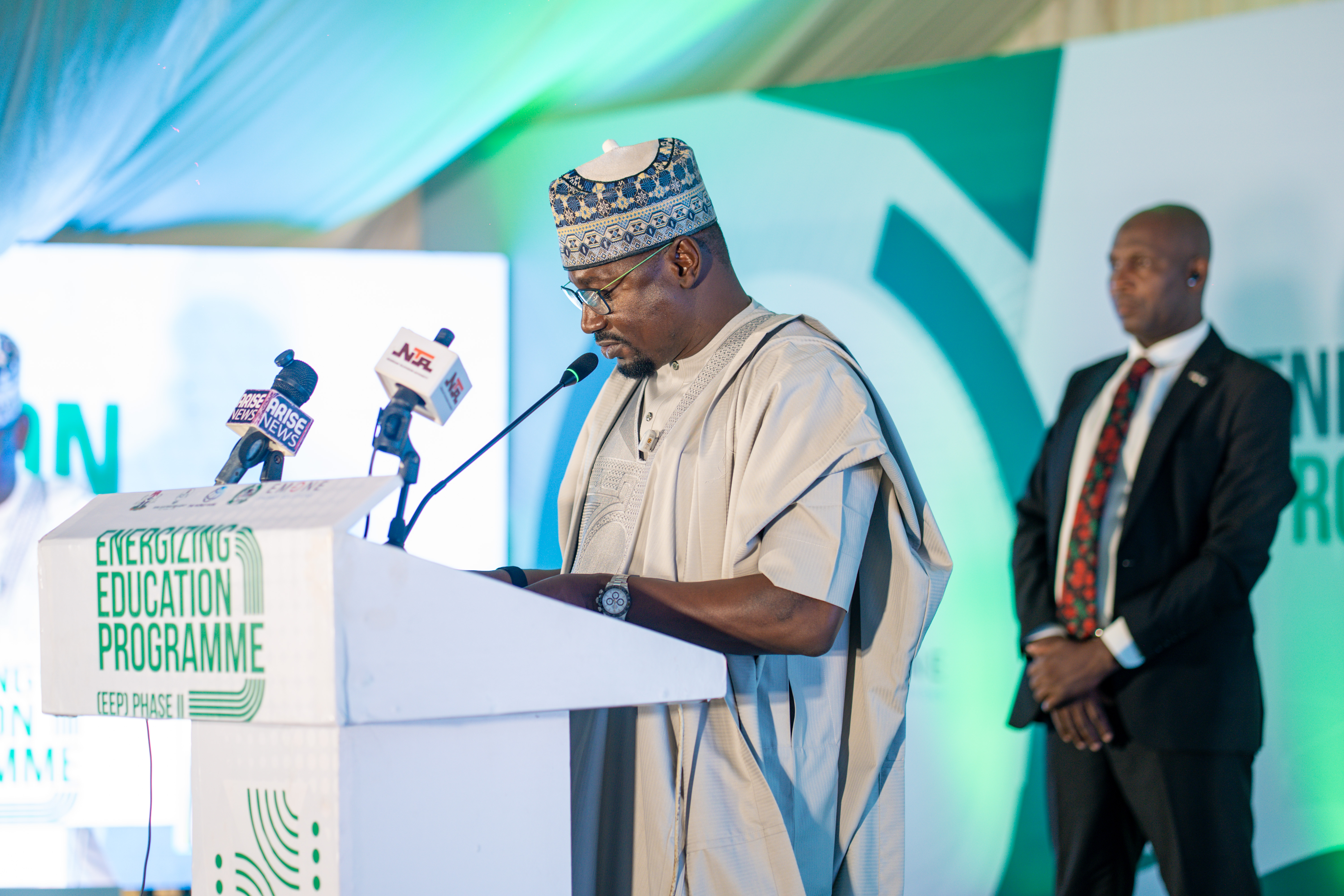
Figure 3 Abba Aliyu, Managing Director/CEO of the Rural Electrification Agency, delivers his address, “Transforming Nigeria’s Energy Landscape: REA’s Impact and RAMCO Opportunities”, during the commissioning of the 3MW Solar Hybrid Power Project under the Energizing Education Programme Phase II at Yakubu Gowon University on 16 September 2026.
“When the Energizing Education Programme was conceived, the ambition was straightforward: to change what reliable electricity could mean for Nigeria’s public universities. Not simply to put solar panels on campuses, but to create the conditions for students to learn, lecturers to teach, researchers to work, laboratories to function and universities to operate with greater certainty,” Aliyu said.
Across the programme, REA said renewable energy infrastructure has been delivered to 22 federal universities and three affiliated teaching hospitals, with more than 100MW of clean energy deployed and over 600,000 students and 50,000 academic and administrative staff impacted nationwide.
Aliyu said REA’s experience implementing projects at this scale had also reinforced the importance of planning for the entire life of an energy asset, from construction and commissioning to operation, maintenance and long-term performance.
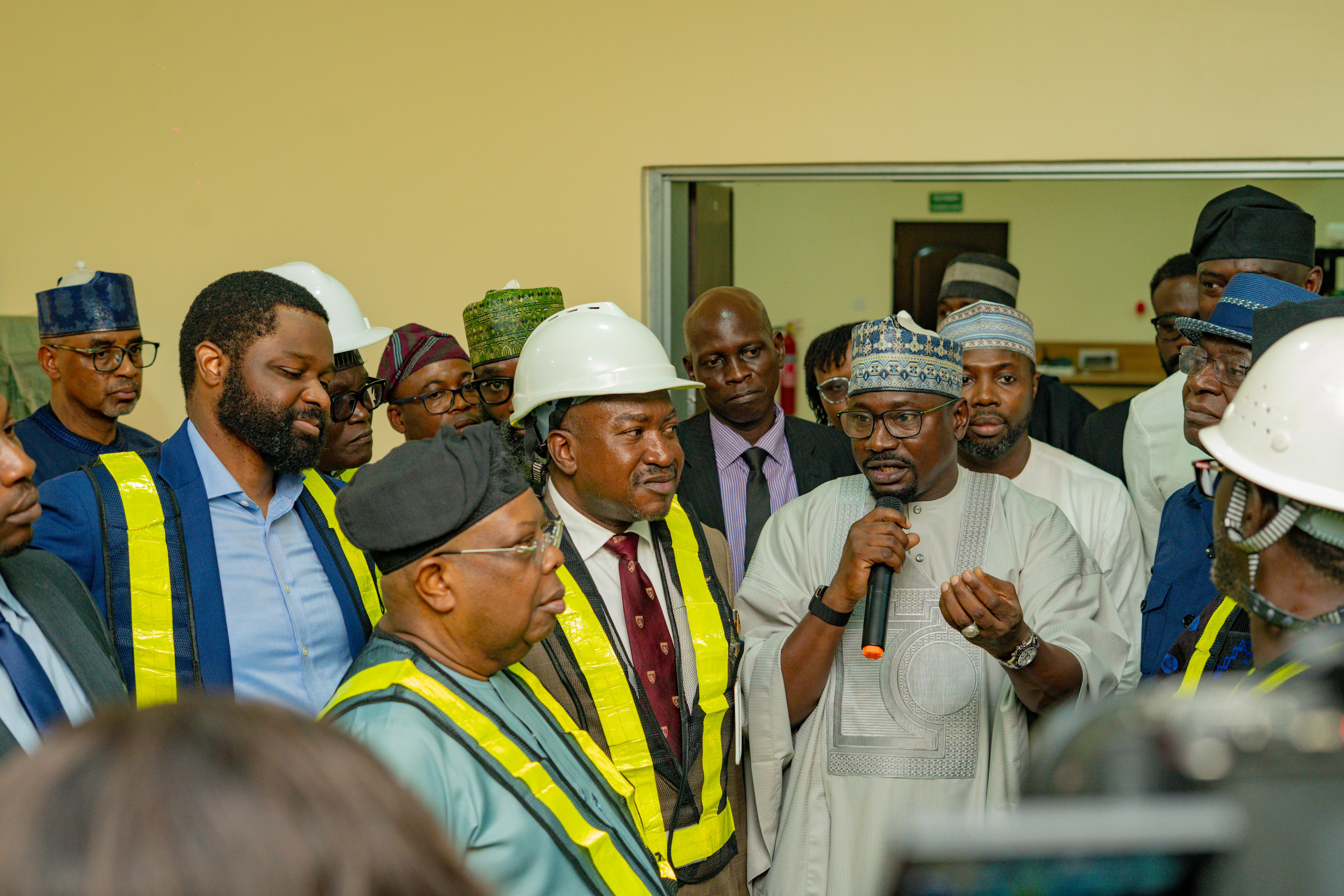
Figure 4 Abba Aliyu, Managing Director/CEO, Rural Electrification Agency, addresses the Honourable Minister of Power, Joseph O. Tegbe, and other dignitaries during a visit to the Renewable Workshop Training Centre at Yakubu Gowon University following the commissioning of the 3MW Solar Hybrid Power Project under the Energizing Education Programme Phase II on 16 September 2026.
“We have become very good at asking, ‘How do we build more?’ We must now become equally rigorous about asking, ‘How do we protect what we have already built? How do we make it perform? And how do we preserve its value?’” he said.
He said this experience contributed to the thinking behind RAMCO and would inform REA’s continuing efforts to develop models that attract private capital, expand electricity access and protect public investment.
Head of the Nigeria Electrification Project, Olufemi Akinyelure, said the significance of the project should be measured by the wider development opportunities reliable electricity creates.
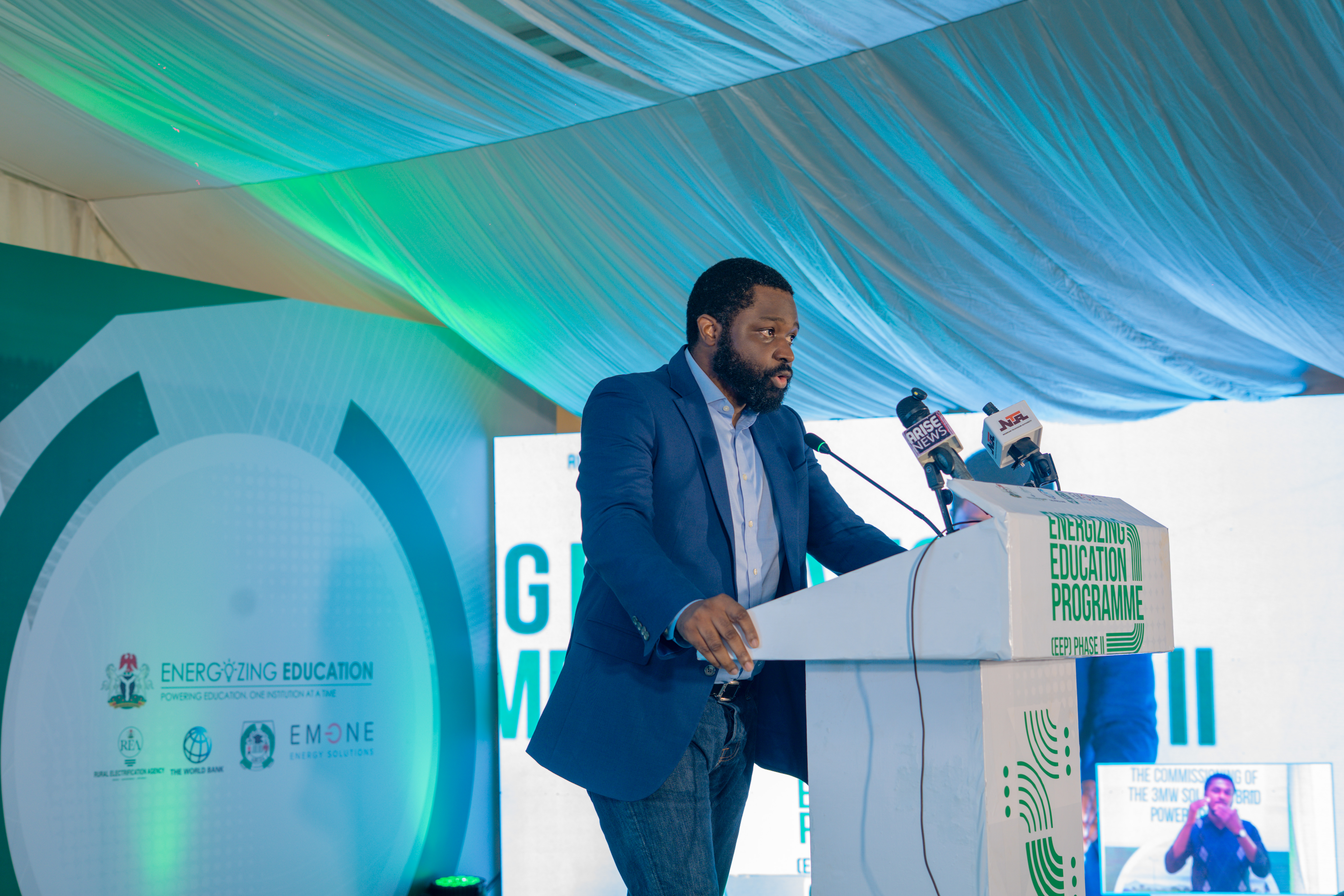
Figure 5 Olufemi Akinyelure, Head of the Nigeria Electrification Programme, REA, delivers the vote of thanks during the commissioning of the 3MW Solar Hybrid Power Project under the Energizing Education Programme Phase II at Yakubu Gowon University on 16 September 2026.
“Government may not be in the business of making profit, but it must always be in the business of making progress. And perhaps no public investment yields a greater return than investment in education because when we power a university, we do not merely light buildings; we illuminate minds, enable innovation and strengthen the future of our nation,” Akinyelure said.
Vice-Chancellor of Yakubu Gowon University, Professor Hakeem Babatunde Fawehinmi, described the project as an investment in the university’s academic mission.
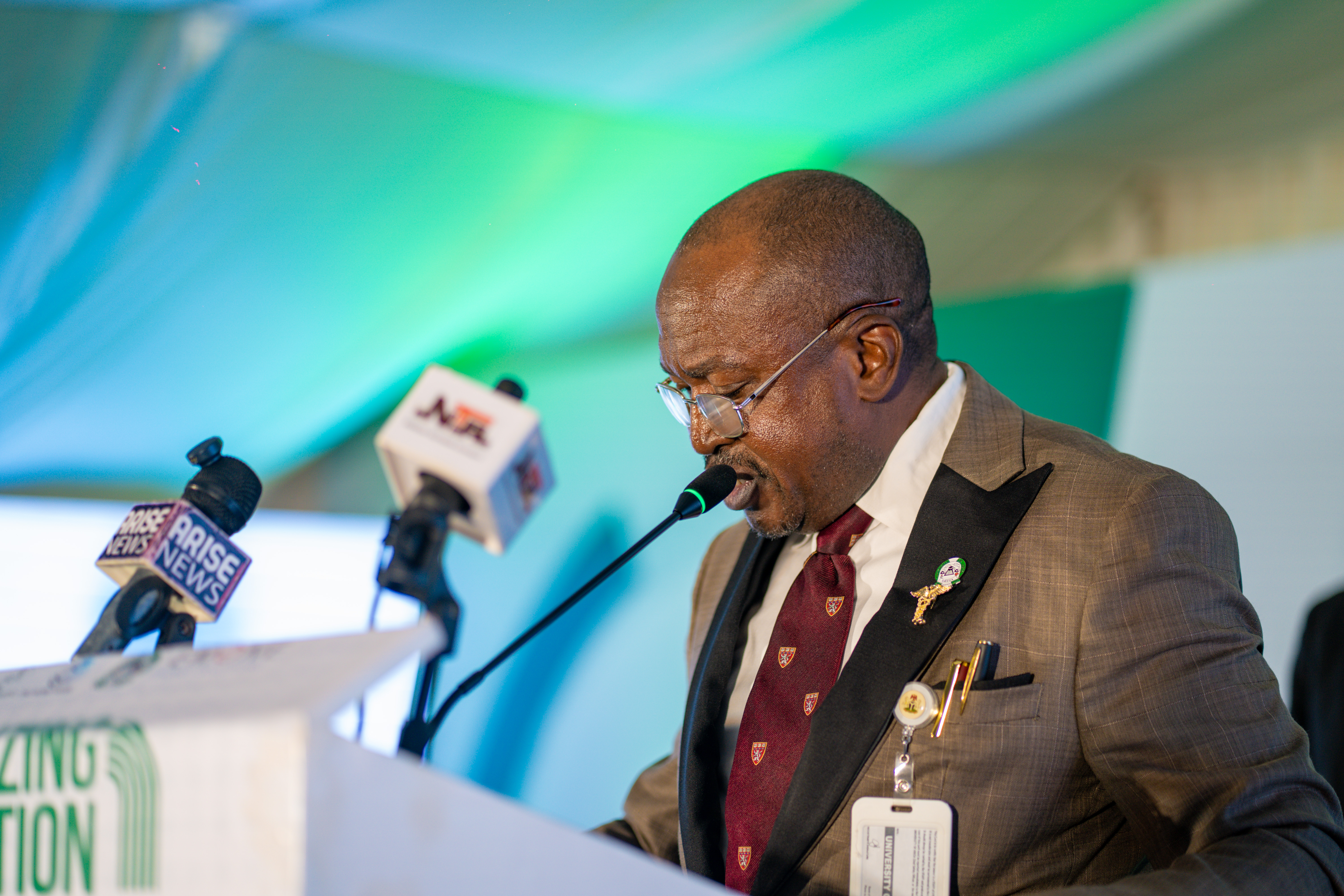
Figure 6 Professor Hakeem Babatunde Fawehinmi, Vice-Chancellor of Yakubu Gowon University, delivers his welcome address during the commissioning of the 3MW Solar Hybrid Power Project under the Energizing Education Programme Phase II on 16 September 2026.
“A university such as ours cannot teach effectively, conduct meaningful research, operate its laboratories, sustain digital services or even provide the conducive environment required for learning and innovation without dependable power supply,”
He said the project was helping strengthen electricity supply for a rapidly growing institution and assured partners that the university would ensure the facility was properly utilised and maintained.
Chairman of the Senate Committee on Power, Senator Enyinnaya Abaribe, said the project demonstrated the connection between energy policy, effective implementation and tangible improvements in the lives of Nigerians.
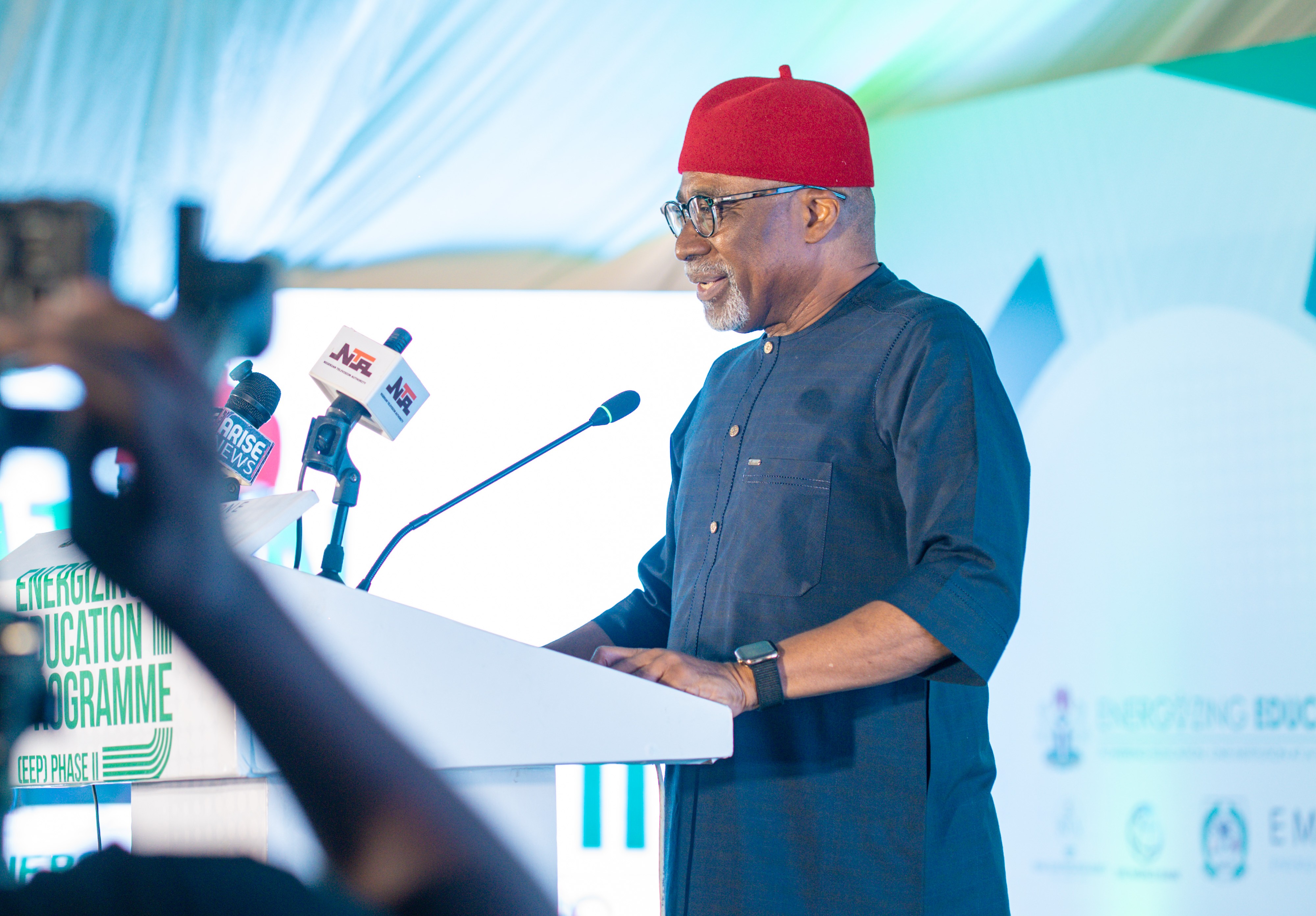
Figure 7 Senator Enyinnaya Abaribe, Chairman of the Senate Committee on Power, delivers a goodwill address during the commissioning of the 3MW Solar Hybrid Power Project under the Energizing Education Programme Phase II at Yakubu Gowon University on 16 September 2026.
He said the legislature would continue to provide the legislative environment and oversight required to support power-sector investment, strengthen accountability and ensure that projects deliver sustainable benefits.
“Sustainability must therefore remain a priority,” Abaribe said, stressing the importance of university ownership and appropriate arrangements for the operation, maintenance and protection of the facility throughout its useful life.
Beyond electricity supply, the project includes a Renewable Energy Workshop and Training Centre to support practical learning and skills development in renewable energy technologies.
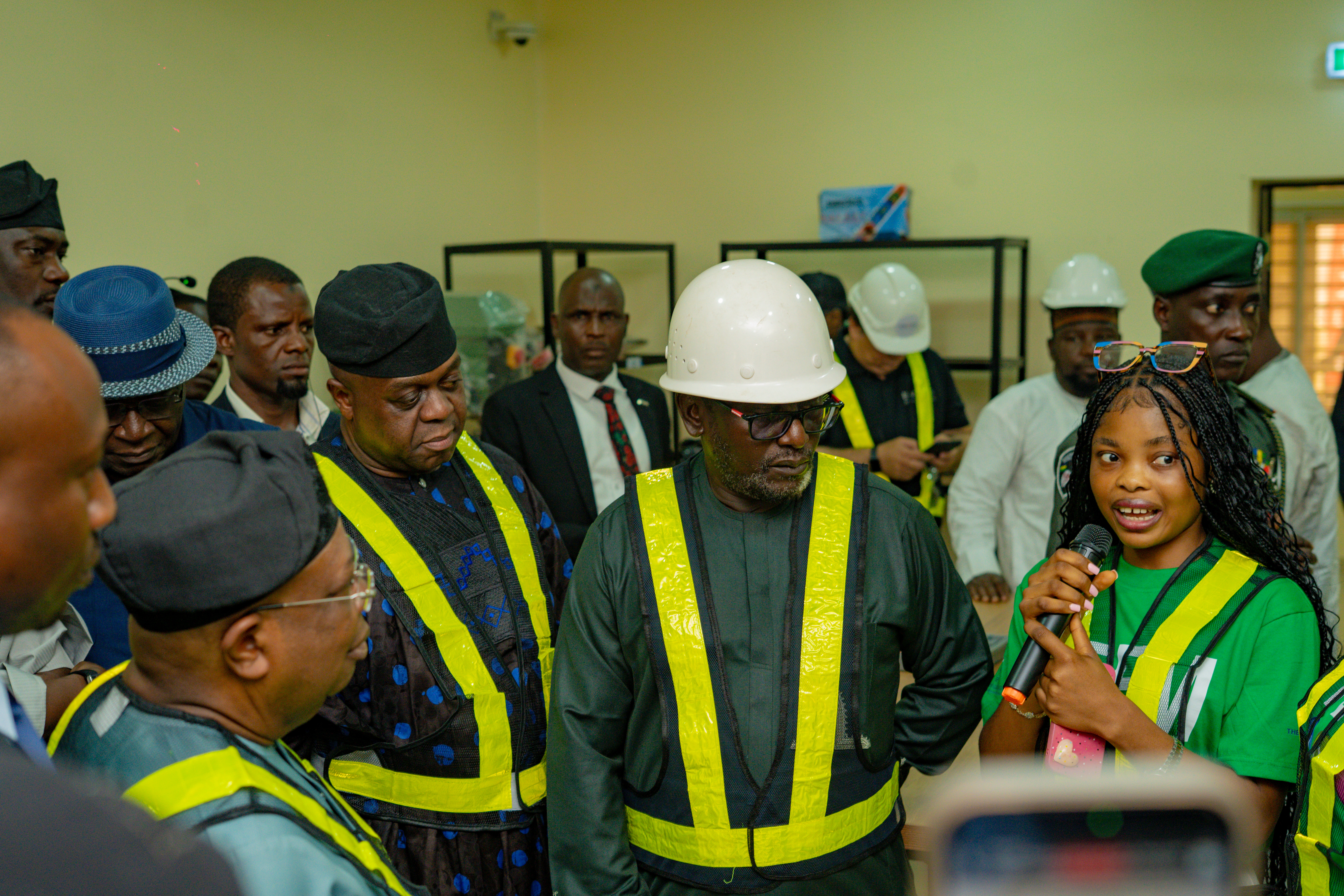
Figure 8 Peace Terna, a STEM intern under the Female STEM Internship Programme, shares her experience with the Honourable Minister of Power, Joseph O. Tegbe, and other dignitaries during the site walkthrough at Yakubu Gowon University. The internship is a component of the Energizing Education Programme Phase II.
The EEP also incorporates a female STEM component that provides students with practical exposure to renewable energy and opportunities within the sector.
The Yakubu Gowon University project was delivered through collaboration between the Federal Government, REA, the Nigeria Electrification Project, the World Bank, the university and EMONE Energy Solutions.
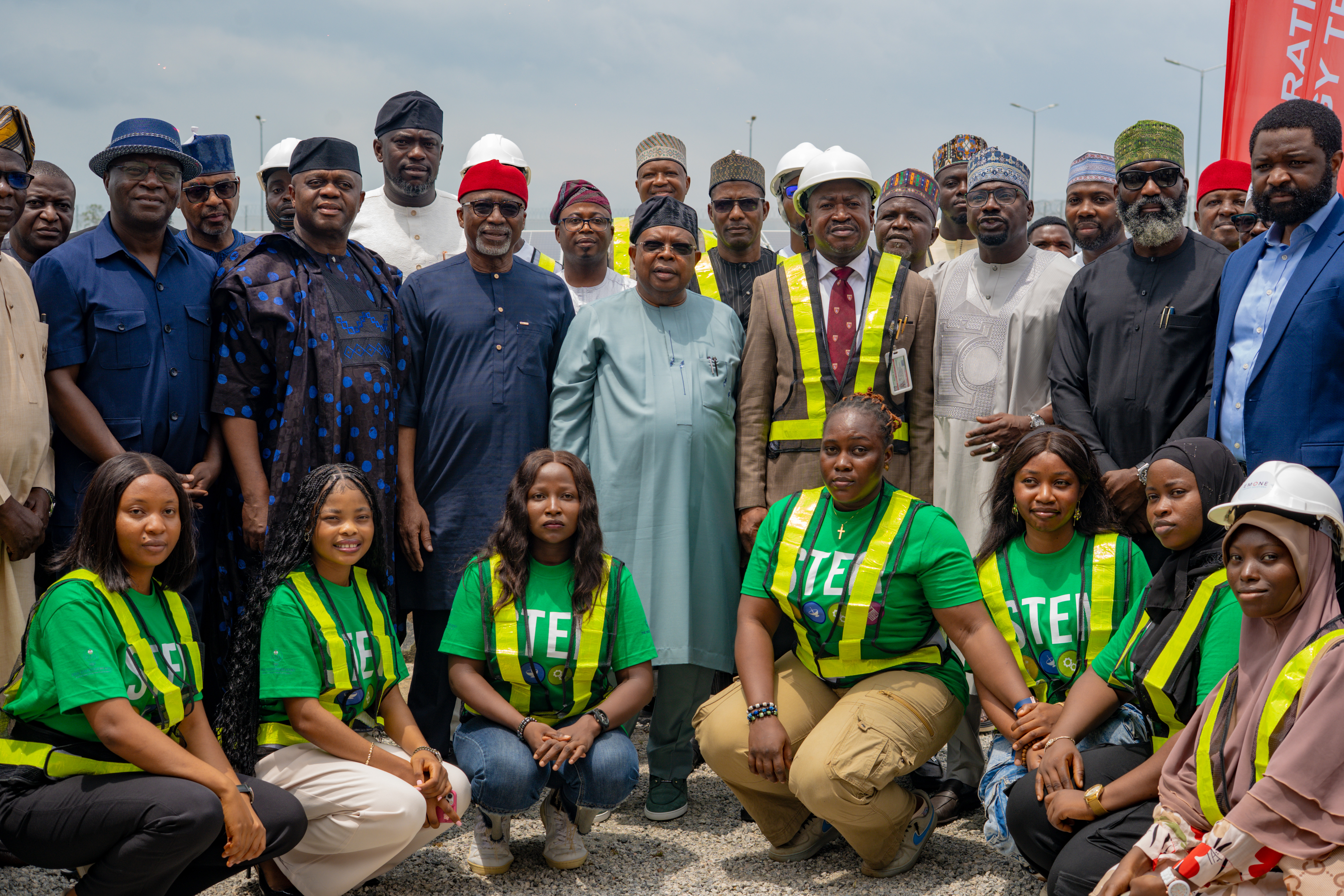
Figure 9 Group photograph during the commissioning of the 3MW Solar Hybrid Power Project under the
Energizing Education Programme Phase II at Yakubu Gowon University on 16 September 2026.
Top row, from left: Lazarus Angbazo, Managing Director, Infrastructure Corporation of Nigeria (InfraCorp);
Senator Dr Olanrewaju Tejuoso, Pro-Chancellor, University of Abuja; Senator Enyinnaya Abaribe, Chairman,
Senate Committee on Power; Joseph O. Tegbe, Honourable Minister of Power; Professor Hakeem Babatunde
Fawehinmi, Vice-Chancellor, Yakubu Gowon University; Abba Aliyu, Managing Director/CEO, Rural Electrification
Agency; Ayoade Gboyega, Executive Director, Corporate Services, Rural Electrification Agency; and Olufemi
Akinyelure, Head, Nigeria Electrification Programme, Rural Electrification Agency.
Bottom row, from left: Awah Henrietta Uche; Peace Terna; Pam Mary Chuwang; Fatima Omoteniola Muhammed;
Anjorin Jennifer Cecilia; and Ismail Hikmatulla Abike, STEM interns under the Female STEM Internship Programme.
With the facility now commissioned, attention shifts to ensuring its long-term performance and translating more reliable electricity into better learning conditions, stronger research and greater opportunities for innovation.
Loading comments…