News
In a decisive step to close Nigeria’s electricity access gap and advance the continental Mission 300 ambition, the Rural Electrification Agency activated the implementation phase of utility-enabled interconnected mini-grids designed to deliver reliable power to underserved and unserved communities.
Through the Nigeria Electrification Programme (NEP), REA officially launched the next phase of interconnected mini-grid deployment, supported by the African Development Bank-funded Nigeria Electrification Project. On February 26, 2026, REA-NEP held a high-level strategic roundtable with six qualified developers chosen through the Minimum Subsidy Tender (MST) to carry out projects within the interconnected mini-grid sub-component. After a competitive bidding process and a thorough technical and financial evaluation, this engagement signified a formal shift from procurement to full-scale implementation.
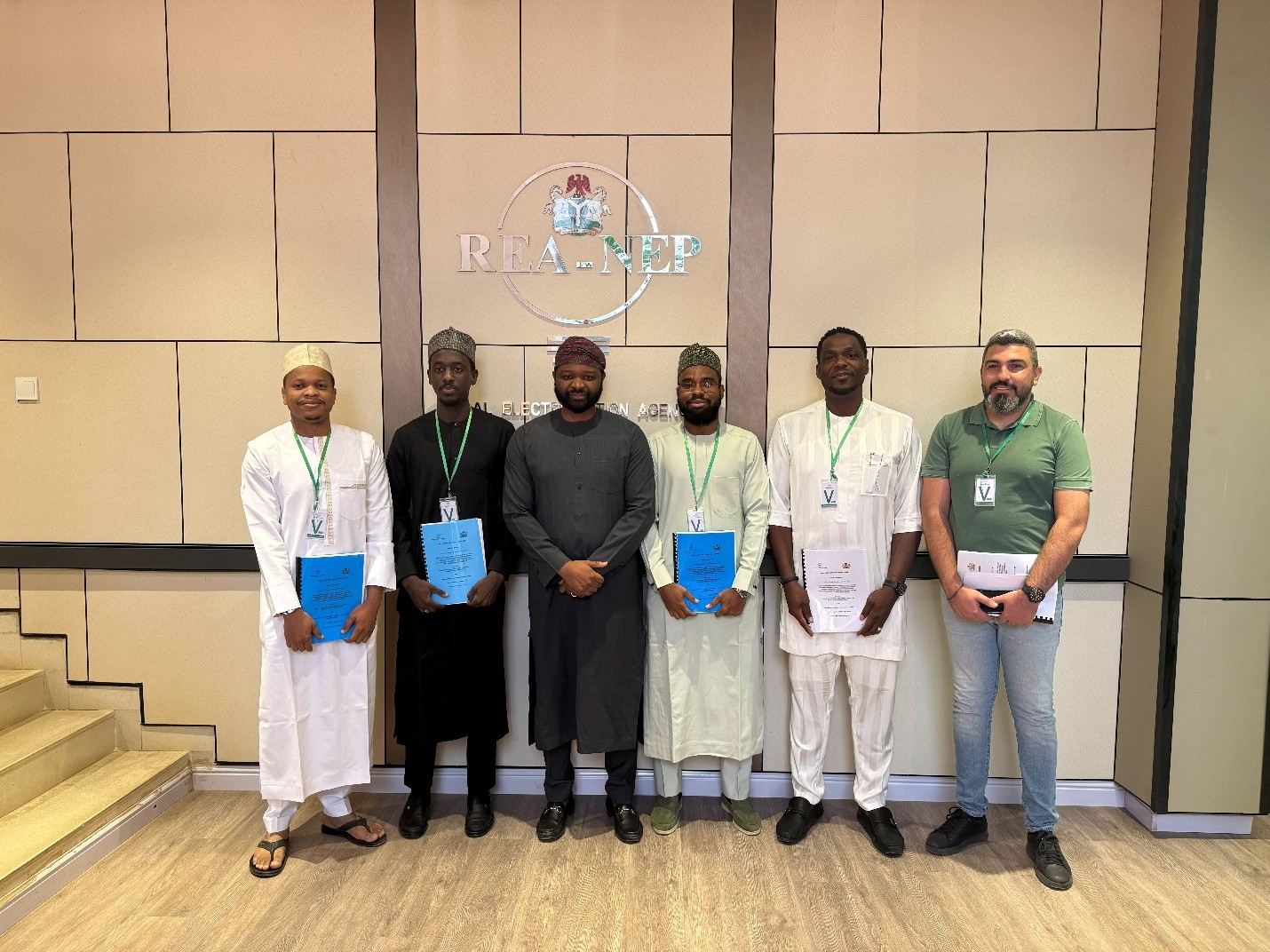
The Head, Nigeria Electrification Programme Mr. Olufemi Akinyelure alongside mini-grid developers after a productive kick off meeting toward deployment of interconnected mini-grid across Nigeria.
The meeting brought together the REA-NEP Project Implementation Team and six qualified developers. These include Central Electricals International Ltd, Eauxwell Nig. Ltd, Chint–Birdwell Maskh Nig. Ltd Consortium, Shenzhen Solar Pro Tech Co. Ltd & Offgrid Electric Ltd (JV), Kelm–Elicom JV Ltd and International Consolidated Contractors Offshore SAL Ltd (ICCO). Together, they will deploy eight utility-enabled interconnected mini-grids with a combined capacity of 25MW. The initiative is expected to deliver about 26,464 new electricity connections across eight underserved towns nationwide.
This deployment is more than infrastructure expansion. It is a targeted intervention to reduce reliance on self-generation and strengthen local distribution networks. The project will extend reliable power to underserved towns despite their proximity to the national grid. By integrating interconnected mini-grids with existing infrastructure, the project addresses gaps in supply reliability, grid reach, and affordability. It also supports local economic activity and improves social services.
The kick-off meeting focused on execution excellence. REA-NEP provided detailed implementation guidance on procurement procedures. Discussion covered phased payment structures, environmental safeguards, and compliance requirements. These steps will ensure high standards and timely delivery.
During the meeting, the Agency presented a structured, milestone-based payment framework to support developers’ cash flow while ensuring accountability. The framework includes upfront mobilization funding, subject to clear performance benchmarks, and accommodates both locally and internationally sourced equipment in line with approved technical standards.
As developers prepare for site mobilization, REA reaffirmed its commitment to quality, sustainability, and coordinated stakeholder engagement. Through this strategic deployment, the Agency continues to demonstrate leadership in accelerating decentralized energy solutions that bridge the national electricity access gap, bringing Nigeria closer to universal access and meaningfully advancing Africa’s broader electrification agenda.
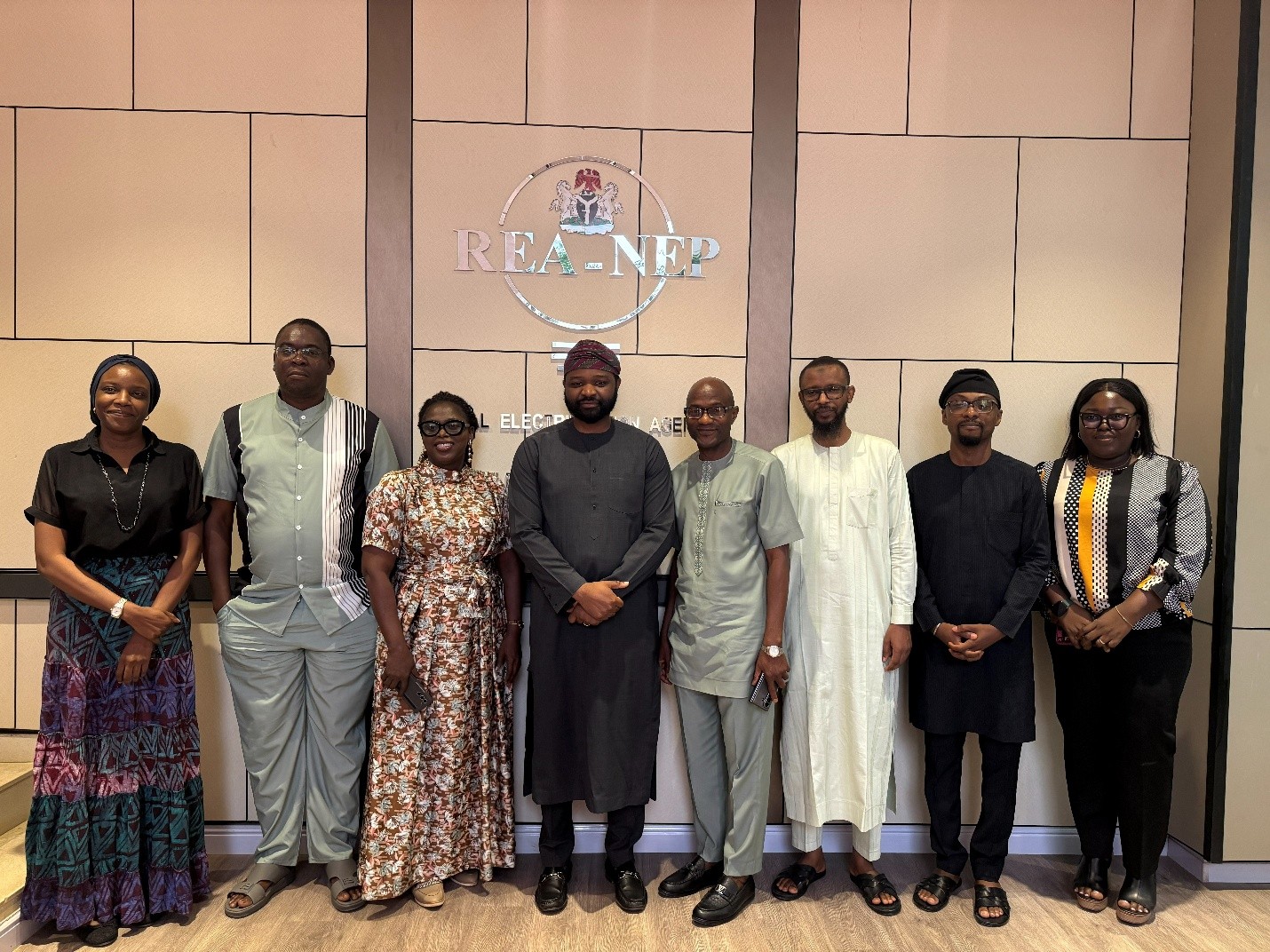
The Head of Nigeria Electrification Programme, Mr Olufemi Akinyelure with NEP-AfDB team after a strategic kick off meeting with interconnected mini-grid.

The NEP-AfDB project implementation team during a strategic kick off meeting with interconnected mini-grid developers.
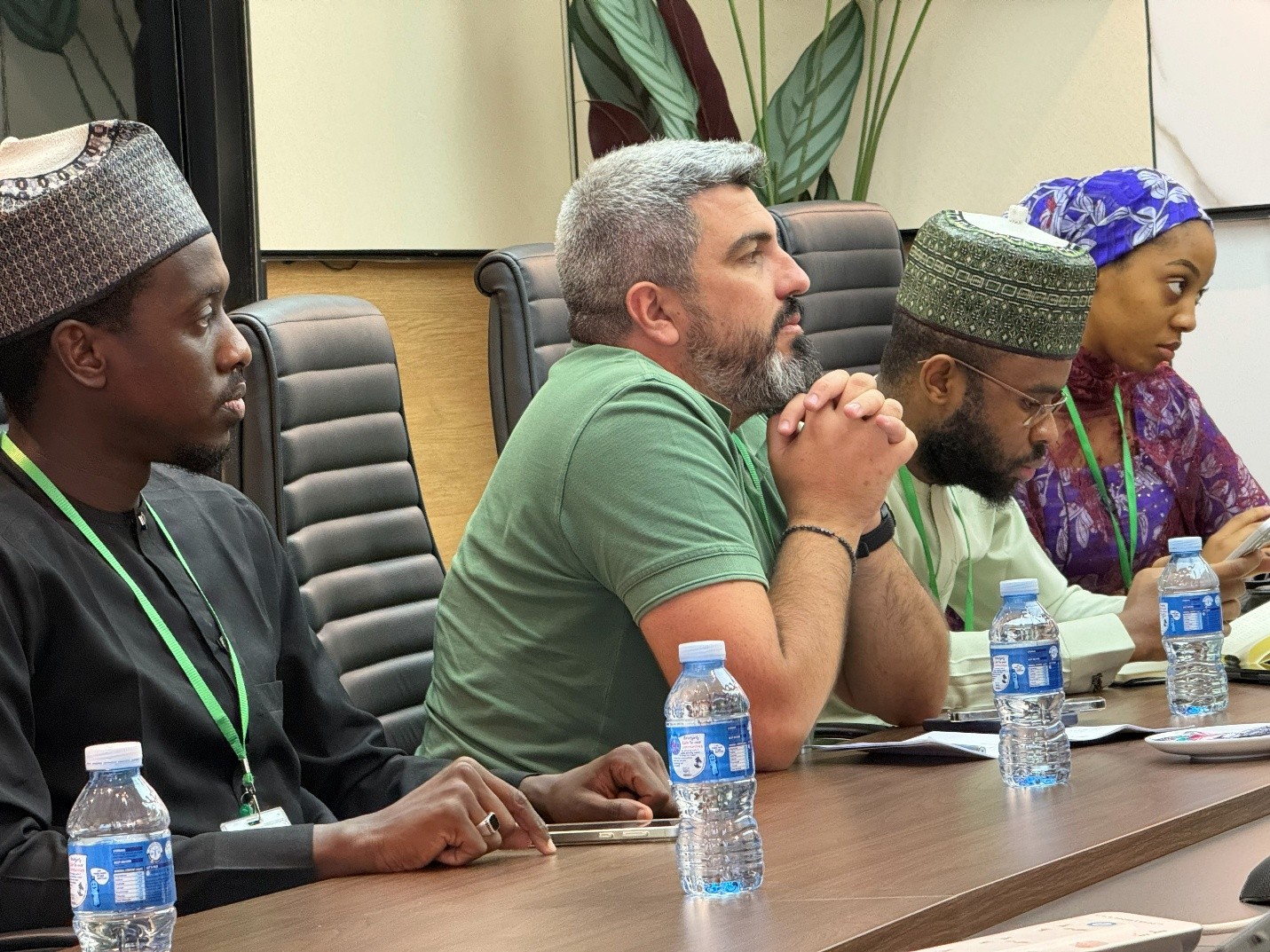
The interconnected mini-grid developers during a strategic kick off meeting with REA-NEP-AfDB project management team before deployment phase.
Loading comments…