Feature Article
Across Nigeria's vast rural landscape, where reliable electricity has long been a distant promise, a quiet yet profound transformation is unfolding. At the heart of this shift is the Nigeria Distributed Access through Renewable Energy Scale-Up (DARES) project, an ambitious initiative to expand clean energy access to more than 17 million Nigerians. Building on the foundation laid by the Nigeria Electrification Project (NEP), funded by the World Bank Group and implemented by the Rural Electrification Agency, DARES is accelerating progress toward closing the country's long-standing energy access gap by 2030.
The DARES Project is primarily financed through a $750 million World Bank Group-supported facility, complemented by significant counterpart funding from development finance institutions and private sector partners. These contributions include ₦100 billion from Lotus Bank, ₦100 billion from First City Monument Bank (FCMB), $83 million from International Finance Corporation (IFC), and over $200 million from Japan International Cooperation Agency (JICA), all aimed at accelerating renewable electricity access and expanding sustainable energy solutions across Nigeria.
What sets DARES apart is not only its scale, but its strategic blend of solutions. The project deploys solar hybrid mini-grids alongside standalone solar systems across underserved and unserved communities that have historically remained beyond the reach of the national grid. Yet, within this dual approach, it is the standalone solar component — particularly Solar Home Systems (SHS) — that is emerging as one of the most immediate and transformative tools for change.
Building on NEP's achievements, DARES goes further in both ambition and design. The Nigeria Electrification Project (NEP), financed by the World Bank, expanded renewable energy access to more than 7.5 million Nigerians through over 200 solar hybrid mini-grids, 100 containerized solar systems for healthcare facilities, 1.8 million Solar Home System connections, and the electrification of seven federal universities, delivering a total installed capacity of approximately 94 MW. Building on this success, the Distributed Access through Renewable Energy Scale-up (DARES) Project aims to provide clean, reliable electricity to over 17 million Nigerians by deploying approximately 465 MW of renewable energy capacity through expanded solar-hybrid mini-grids and standalone solar systems nationwide.
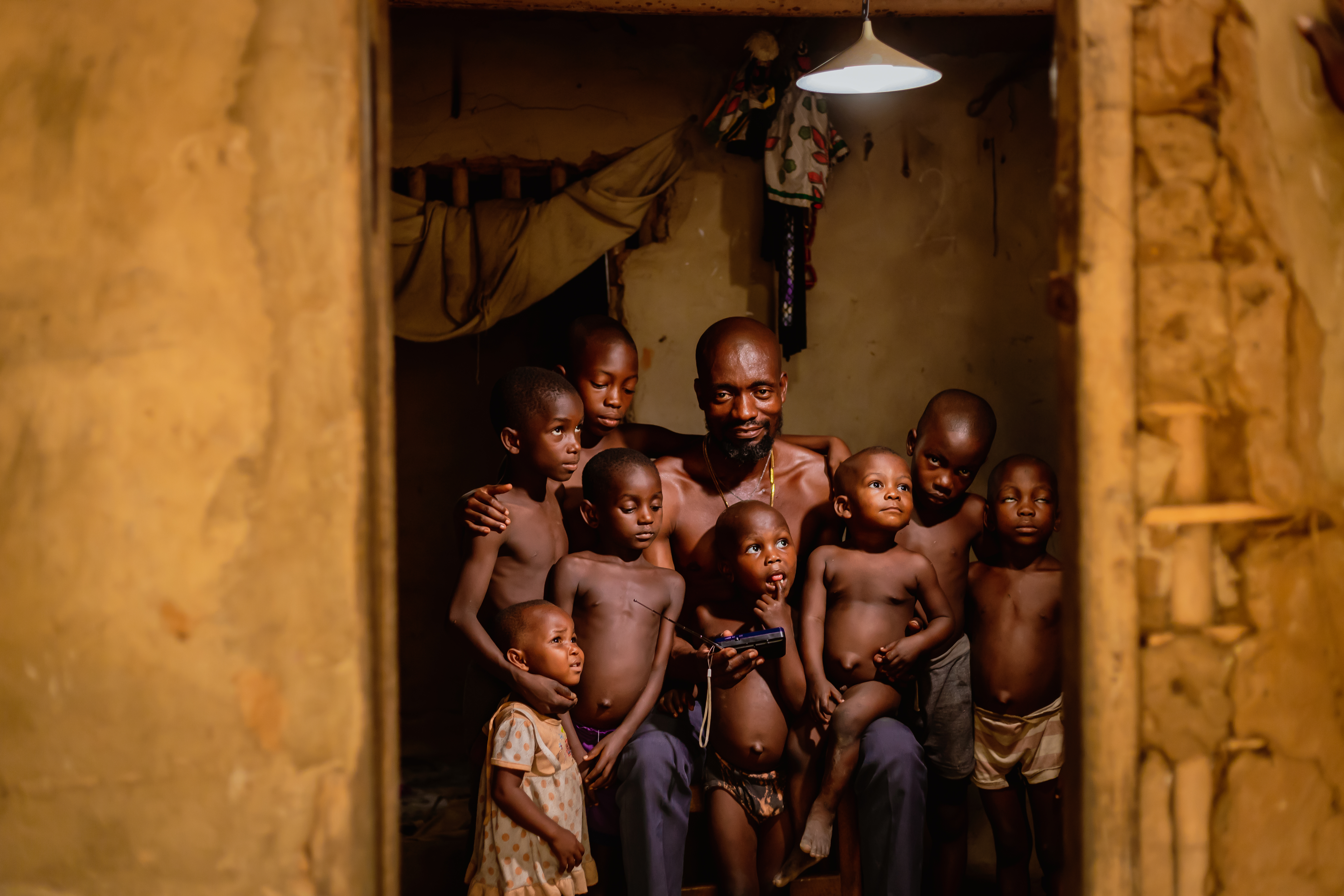
Mrs. Pius Inyene a beneficiary of Solar Home System deployed under DARES project in Akwa Ibom State.
ENERGY AT THE DOORSTEP
Solar Home Systems are redefining energy access at the household and micro-enterprise levels. Unlike centralized solutions, SHS delivers power directly to homes and small businesses, offering a flexible, rapidly deployable option for Nigeria's most remote and underserved populations. In places where darkness once dictated the rhythm of daily life, solar-powered lighting, phone charging, and small appliances are now the norm.
The scale of impact is already significant. As of April 2026, over 830,000 solar home systems, representing 41.5% of the 2 million targeted installations, have been deployed across Nigeria’s six geopolitical zones, with strong coverage in Kaduna, Akwa Ibom, Enugu, Abia, Adamawa, and Bauchi States. These deployments have provided clean energy access to nearly 3.9 million people, including female-owned MSMEs and female-headed households.
Thousands of micro, small, and medium enterprises can now operate for longer hours and more efficiently. From barbers and tailors to small shop owners, access to reliable electricity is translating directly into increased income and economic resilience.
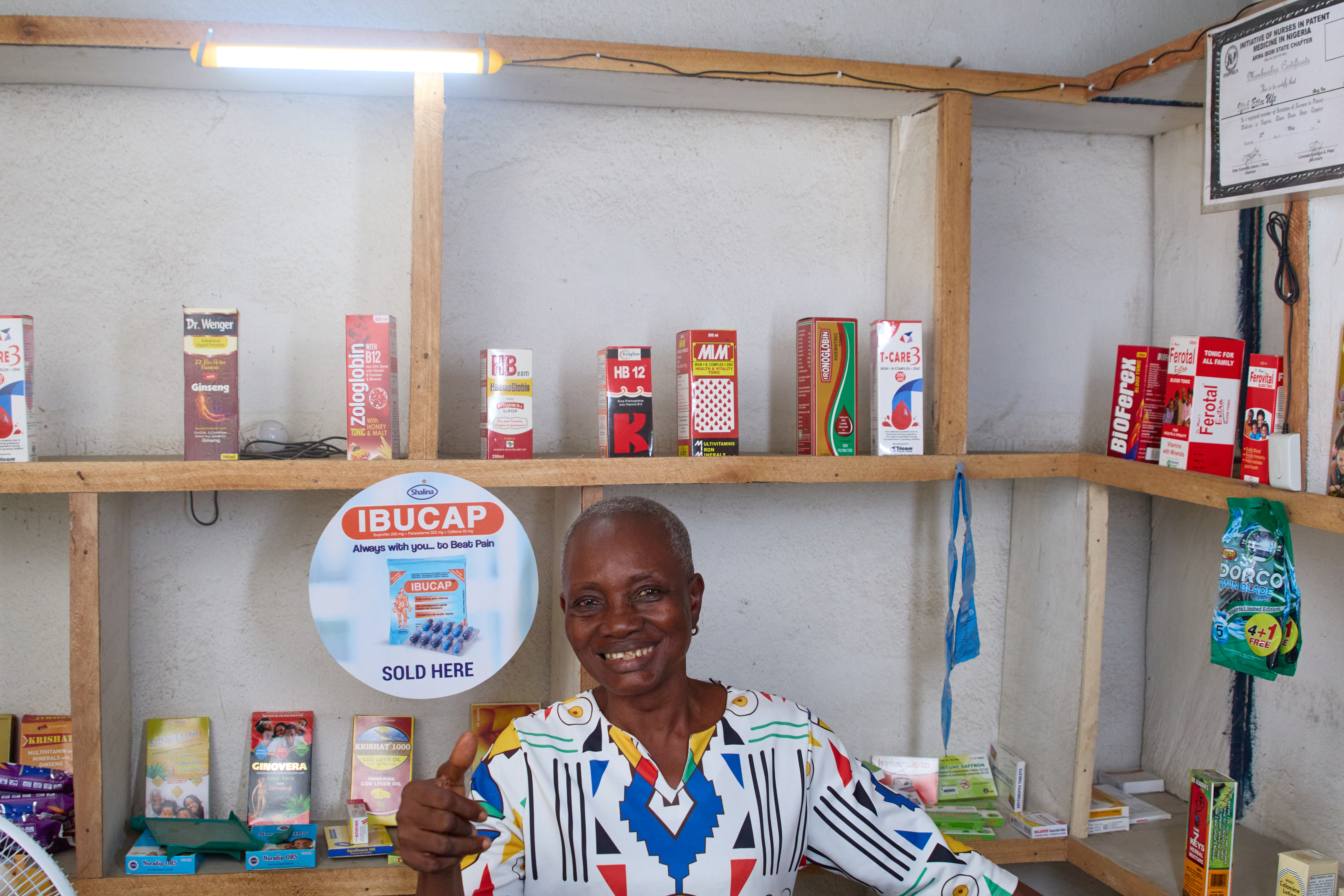
Mrs. Ifioke Ufe, a retired nurse and patient medicine store is a beneficiary of SHS deployed under DARES project in Awka Ibom State.
“With stable solar electricity powering my shop now, I stay until 10pm at night still selling medicine
unlike before that I closed very early because of darkness every where. My income on daily basis has
nearly doubled since I started using solar, because I sell during the day and night .”
(Mrs. Ifioke
Ufe, a retired nurse and patient medicine store owner, at Ikot Udoma- Eket -Akwa Ibom State)
A PUBLIC HEALTH DIVIDEND
Equally important is the social dimension of this energy transition. For decades, many Nigerian households have relied on kerosene lamps and other traditional energy sources that pose serious health and environmental risks. The shift to clean solar energy is reducing indoor air pollution and improving overall well-being, particularly for women and children, who are disproportionately affected by these hazards. In this sense, SHS is not just an energy solution; it is a public health intervention.
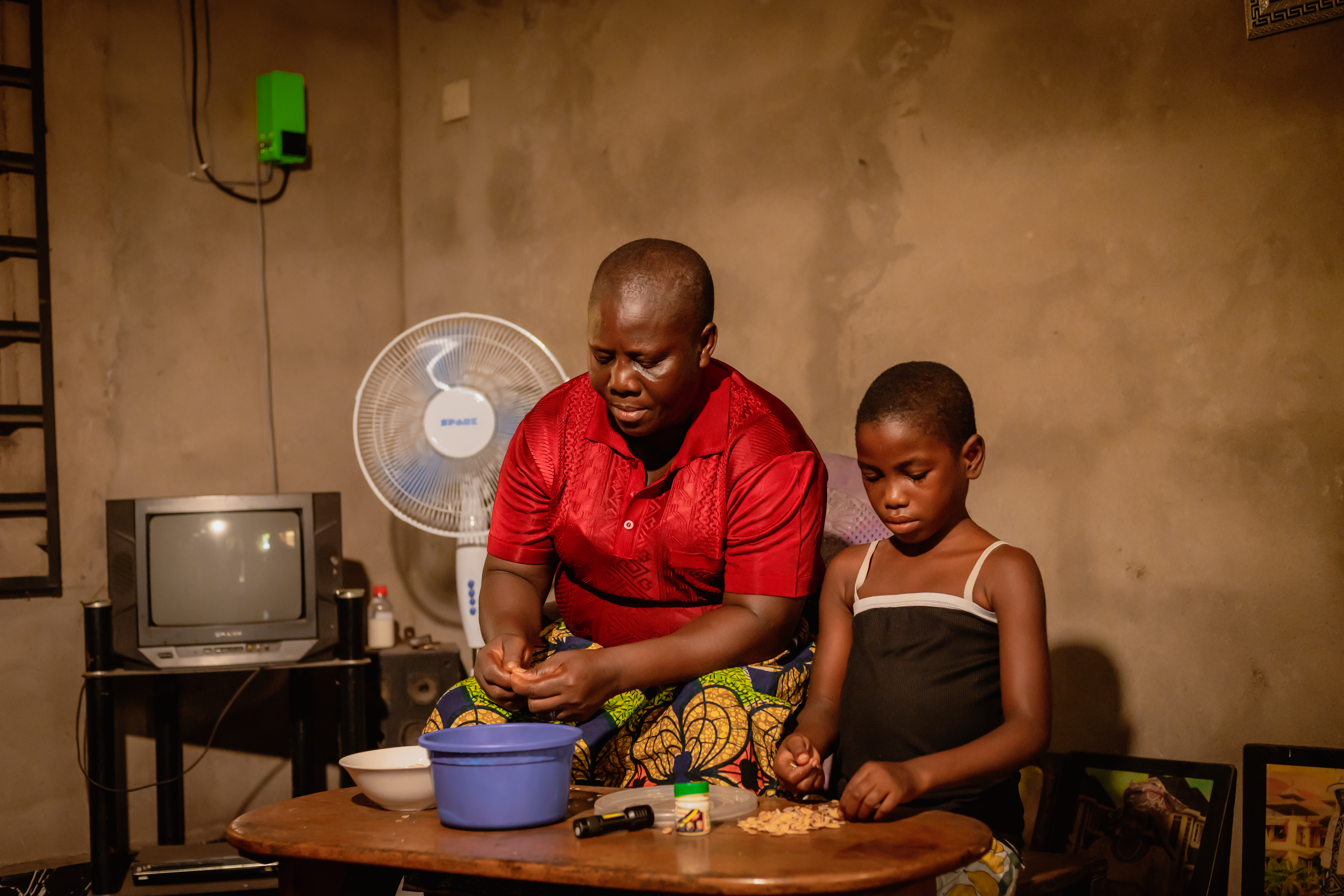
One of the solar Home System SHS Beneficiaries under DARES project from Akwa ibom State, Mrs. Mercy Patrick and her child.
EMPOWERING WOMEN, TRANSFORMING HOUSEHOLDS
The gender impact of the DARES Solar Home Systems (SHS) rollout is particularly significant, with a substantial proportion of beneficiaries being women, including 297,631 female-headed households and 11,921 women-led businesses as of April 2026. Access to reliable electricity is creating new opportunities for women to expand their economic activities, improve household resilience, and participate more actively in their communities, positioning energy access as a powerful driver of inclusion and empowerment.
A MODEL BUILT TO LAST
What makes the SHS initiative under DARES particularly compelling is its delivery model. By leveraging private-sector participation from companies such as d.light, Bboxx, Greenlight Planet, Ignite Power, Salpha Energy, Sosai Renewable Energies, and other local renewable energy providers, alongside performance-based incentives and lessons from previous electrification programmes, the initiative has enabled rapid and sustainable deployment of solar home systems. This model is strengthening Nigeria’s off-grid energy ecosystem and fostering a resilient market capable of sustaining growth beyond the project's lifespan.
As implementation progresses, Solar Home Systems are expected to play an increasingly strategic role within the DARES Project. Their ability to deliver reliable, affordable, and clean electricity quickly to underserved and remote communities makes them a critical pillar of Nigeria’s broader renewable energy agenda and the National Energy Transition Plan. More importantly, the initiative demonstrates that bridging the energy access gap does not always depend on large-scale infrastructure; sometimes, transformative change begins with a single solar panel bringing light, opportunity, and hope to a household.
With nearly 3.9 million Nigerians already connected and thousands more gaining clean access each month, the DARES Project demonstrates that large-scale transformation can be achieved quickly and efficiently, with lasting social impact. As deployment accelerates nationwide, the project is well-positioned to reach millions more households, deepen economic inclusion, and steadily move toward its ambitious target of 2 million solar home system connections, marking a defining milestone in Nigeria’s journey toward universal energy access and a sustainable energy future.
Loading comments…