News
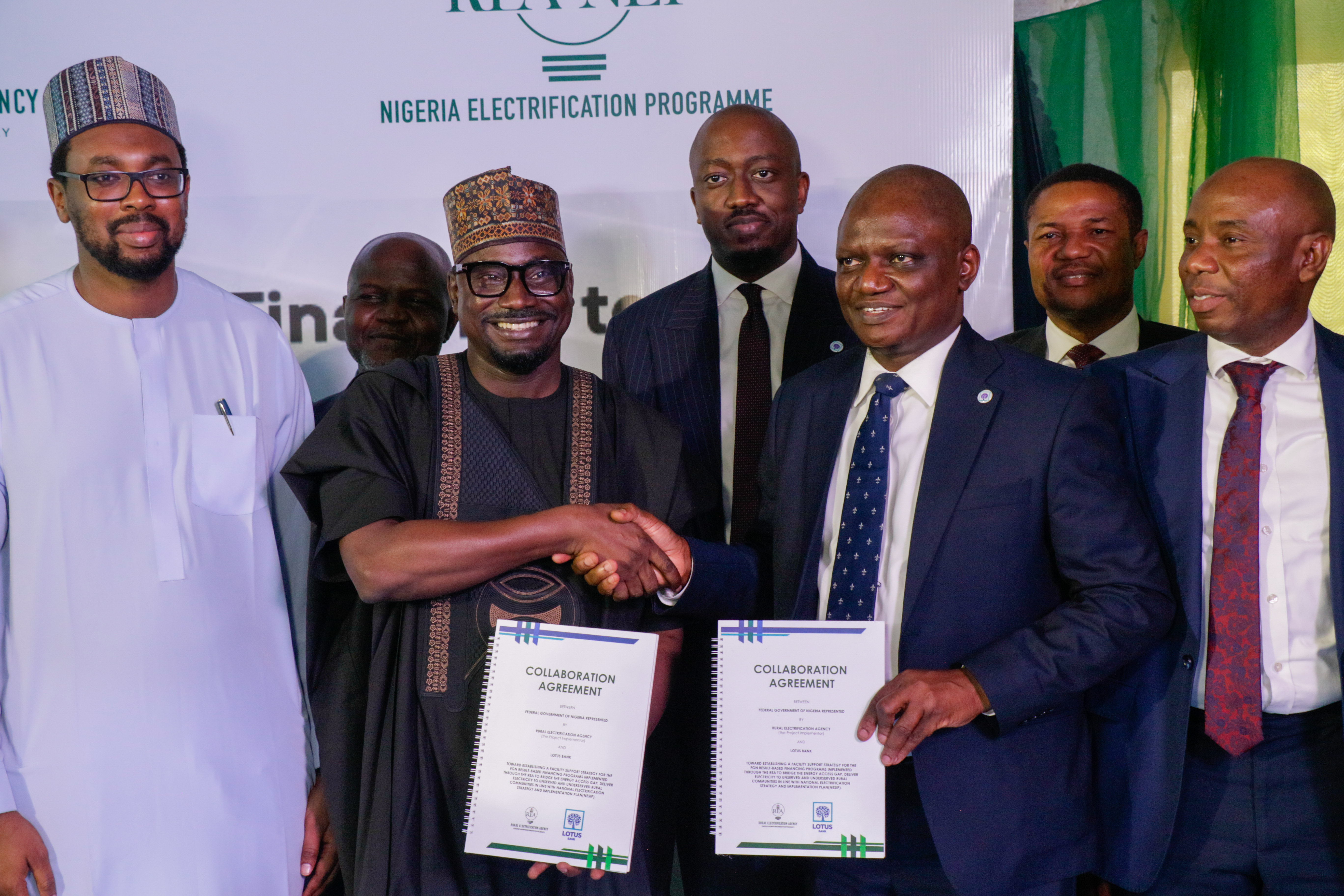
The Rural Electrification Agency (REA) has secured a ₦100 billion interest-free financing partnership with Lotus Bank, marking a major step forward for Nigeria’s renewable energy sector. The agreement signed on the 23rd of February 2026 will accelerate the deployment of mini-grid infrastructure under the Distributed Access through Renewable Energy Scale-up (DARES) project and support the Federal Government’s efforts to close the national electricity access gap through innovative, locally driven financing.
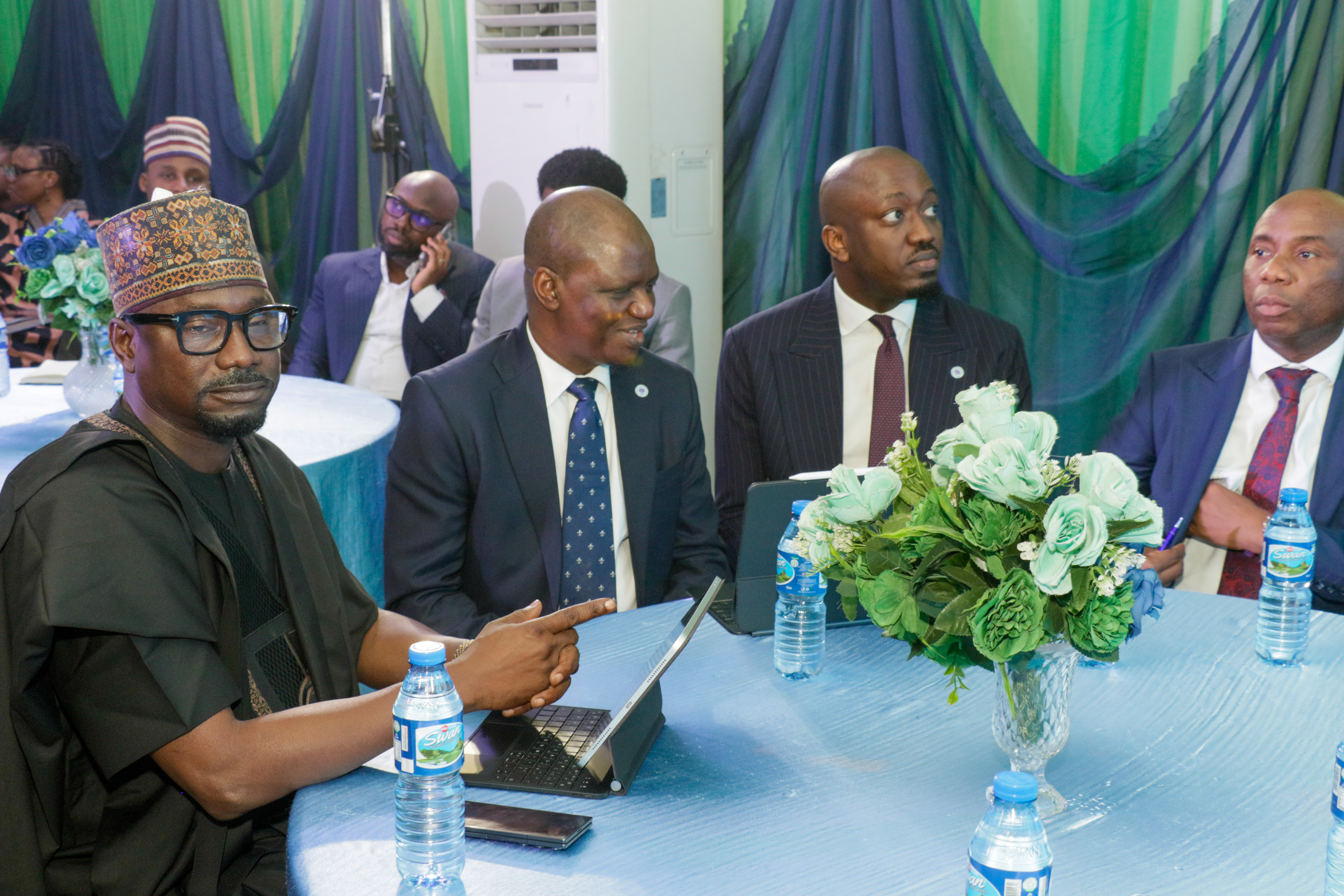
This Memorandum of Understanding (MoU) provides structured financial support to Renewable Energy Service Companies (RESCOs) that have received DARES grants, enabling the faster deployment of mini-grid infrastructure in unserved and underserved Nigerian communities. The signing ceremony included senior executives from the REA, Lotus Bank, and industry stakeholders, demonstrating a shared commitment to scalable, sustainable electrification.
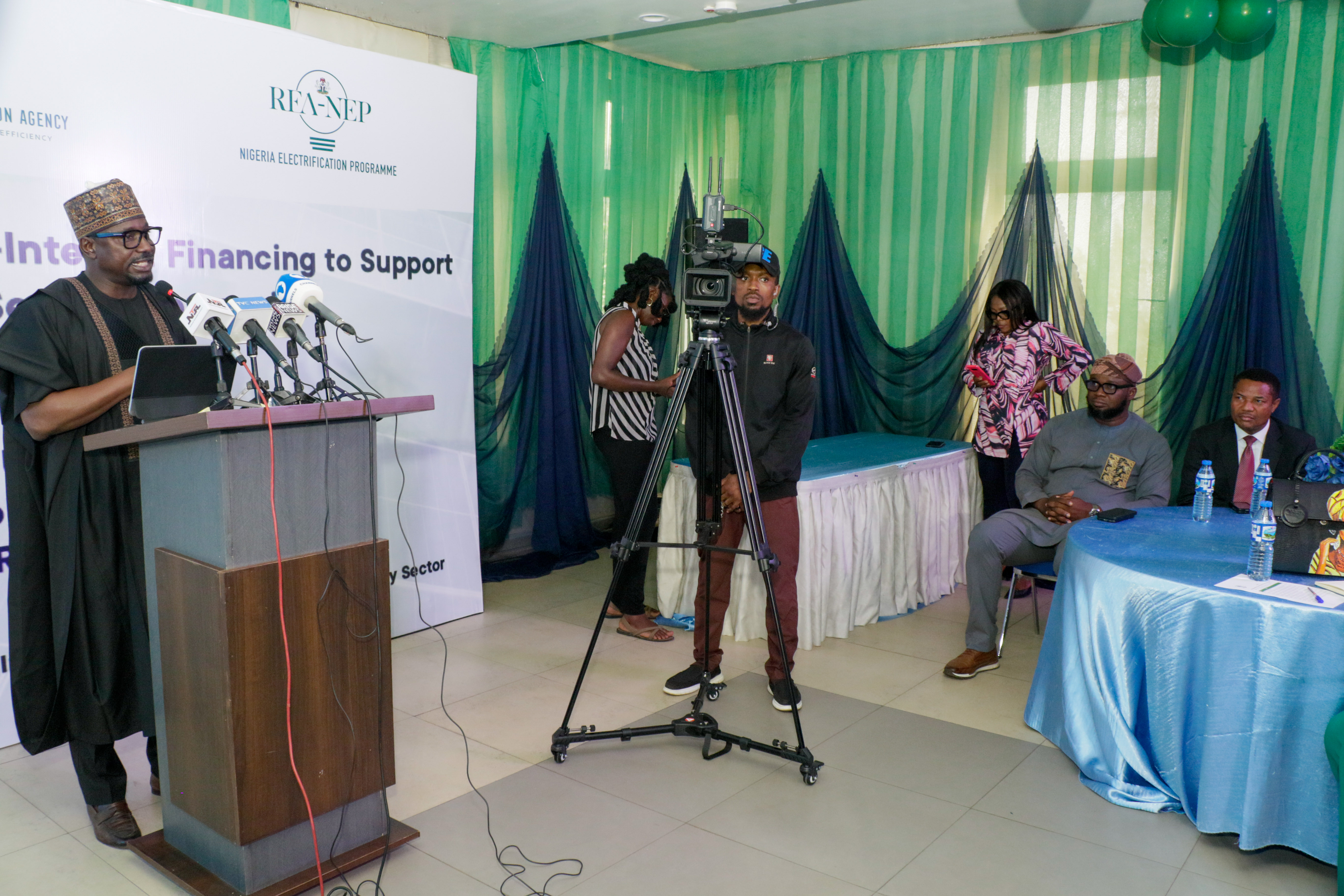
Powering the World’s Largest Publicly Funded Renewable Energy InitiativeIn his keynote remarks, REA’s Managing Director/Chief Executive Officer, Abba Aliyu, described the partnership as a defining moment in Nigeria’s renewable energy evolution. He emphasized that the $750 million DARES project, implemented under President Bola Ahmed Tinubu’s leadership through the Nigeria Electrification Programme, is the largest publicly funded renewable energy project globally.
“Today, we are signing an MOU for a structured financing solution put forward by our partner, Lotus Bank, totaling 100 billion for the RESCOS to accelerate the deployment of mini-grids across Nigeria’s underserved and unserved areas. We really want to see local financiers put a slice of this financing opportunity to work. We want Nigerian financing institutions to be a key driver of this infrastructure project across the country, because our projects are results-based financing, which creates a huge opportunity for financiers to bridge the financing gap for the RESCOS to deliver on the project and be able to access the capital grant from REA. We want local financing to understand that renewable projects are infrastructure financing projects, and that financing is a risk. We have allocated the risk to the party best able to take it.”
Dr. Aliyu reiterated that the DARES project aims to provide electricity access to over 17 million Nigerians by 2030 through the deployment of 1,350 mini-grids, including 250 interconnected systems. He emphasized that integrating local financial institutions into the funding ecosystem is essential, particularly within the project’s results-based financing framework, which strategically allocates risk and unlocks capital for impact.
Ethical Finance Driving Clean Energy GrowthAlso speaking at the event, the Managing Director of Lotus Bank, Isiaka Ajani-Lawal, reaffirmed the Bank’s commitment to sustainable development through ethical, interest-free financing. He noted that the ₦100 billion facility is designed to empower RESCOs, accelerate nationwide mini-grid deployment, and stimulate economic activity in communities that have long been underserved by the national grid.
Providing operational clarity, Lotus Bank’s Business Development Strategist, Adeoye Abiodun, outlined the documentation requirements for RESCOs seeking access to the facility. These include REA grant award letters, detailed work plans, Bills of Quantities (BoQ), corporate profiles, organizational structures, evidence of technical competence, environmental assessments, and comprehensive execution strategies.
He added that qualifying RESCOs can access initial funding of ₦5 million to ₦9 million, with disbursements expected within 1 to 3 weeks of submitting and verifying the required documentation, which demonstrates the Bank’s readiness to ensure swift project mobilization.
A United Front to Close Nigeria’s Energy GapIn a joint show of appreciation, RESCO representatives laud both REA and Lotus Bank for fostering a financing framework that directly addresses one of the sector’s most pressing challenges: access to capital. They described the partnership as a strategic accelerator that will shorten project delivery timelines and deepen the impact of renewable energy infrastructure nationwide.
Beyond the numbers, the MoU represents a powerful alignment of policy, finance, and private-sector execution. It underscores a growing recognition that sustainable electrification requires not only grants and technical expertise but also innovative local financing mechanisms to unlock large-scale infrastructure development.
As Nigeria moves closer to achieving its 2030 electrification goals, the partnership between REA and Lotus Bank signifies a new phase where renewable energy ambitions intersect with financial innovation. This collaboration promises millions of Nigerians access to dependable, clean power that illuminates homes, supports businesses, and shapes future opportunities across the country.
Loading comments…