News
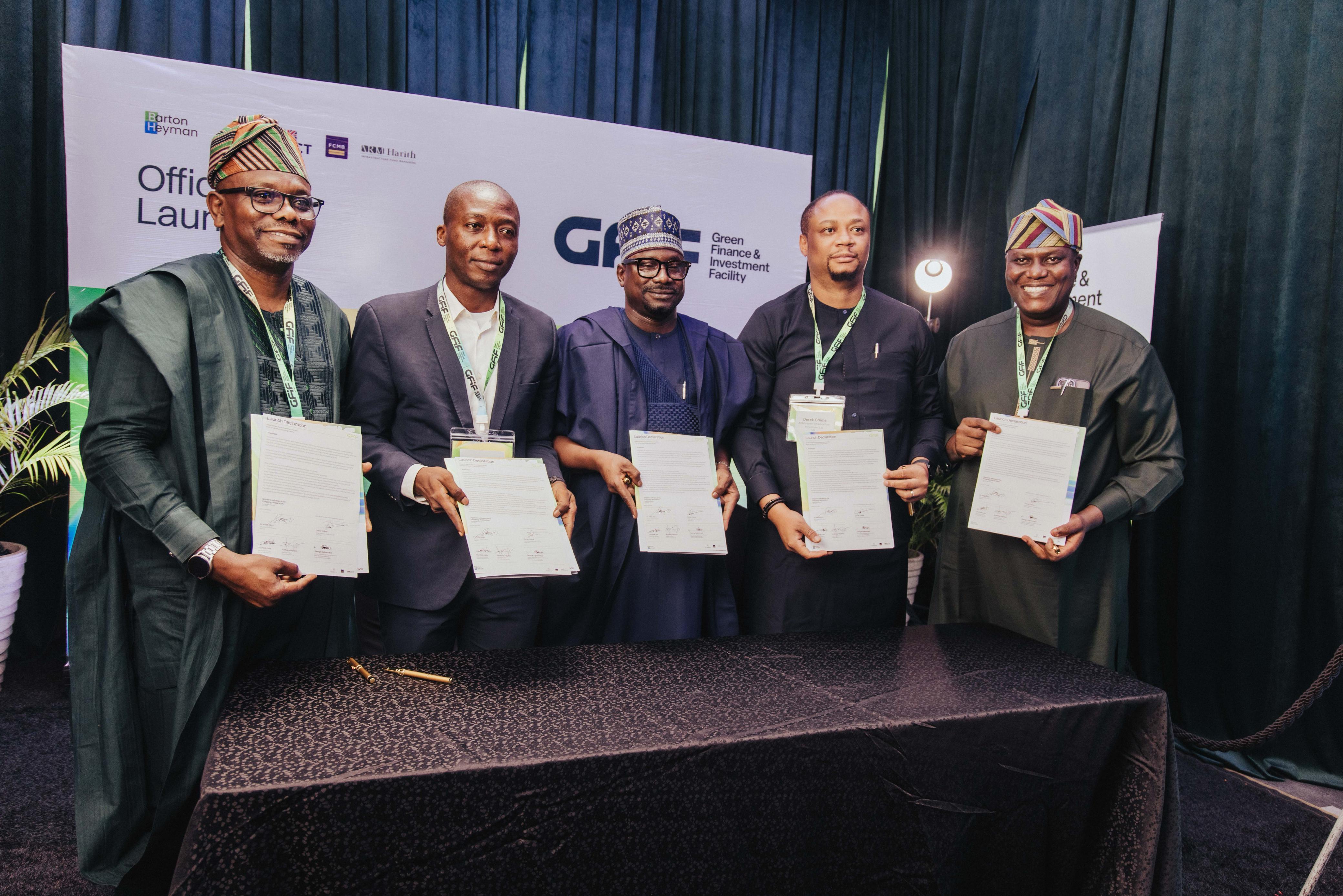
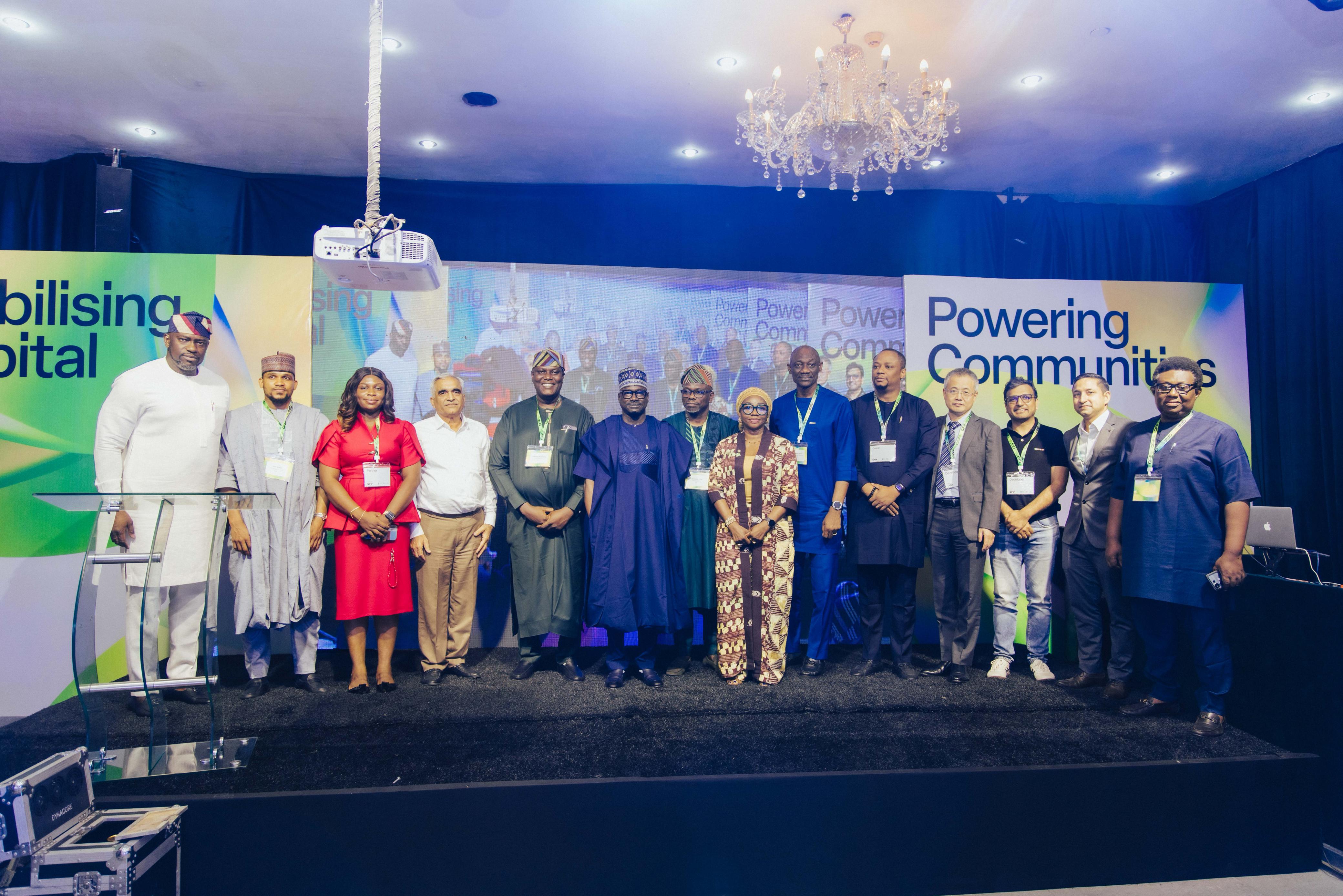
Nigeria has launched the pilot phase of the Green Finance and Investment Facility (GFIF), a blended financing platform designed to accelerate the deployment of 40 interconnected mini-grids under the Nigeria Distributed Access Through Renewable Energy Scale-up (DARES) project. The launch marks a significant milestone in Nigeria’s drive to expand clean energy access to over 17 million Nigerians and advances the country’s commitments under the Mission 300 initiative, which aims to connect 300 million Africans to electricity by 2030.
The pilot phase mobilizes $188 million in financing to support the rollout of the mini-grid projects, which will deliver a combined generation capacity of 188.4 megawatts (MW). Nine renewable energy developers will execute the work across 12 project lots, targeting approximately 226,000 household and business electricity connections primarily in underserved and unserved communities across Nigeria.
At its core, GFIF addresses one of the renewable energy sector’s most persistent barriers: limited access to long-term, affordable capital. The facility provides blended financing to renewable energy developers, combining concessional funding with commercial capital to improve the financial viability of mini-grid projects. By doing so, it aims to unlock private-sector investment at scale and accelerate Nigeria’s transition toward decentralized clean energy infrastructure.
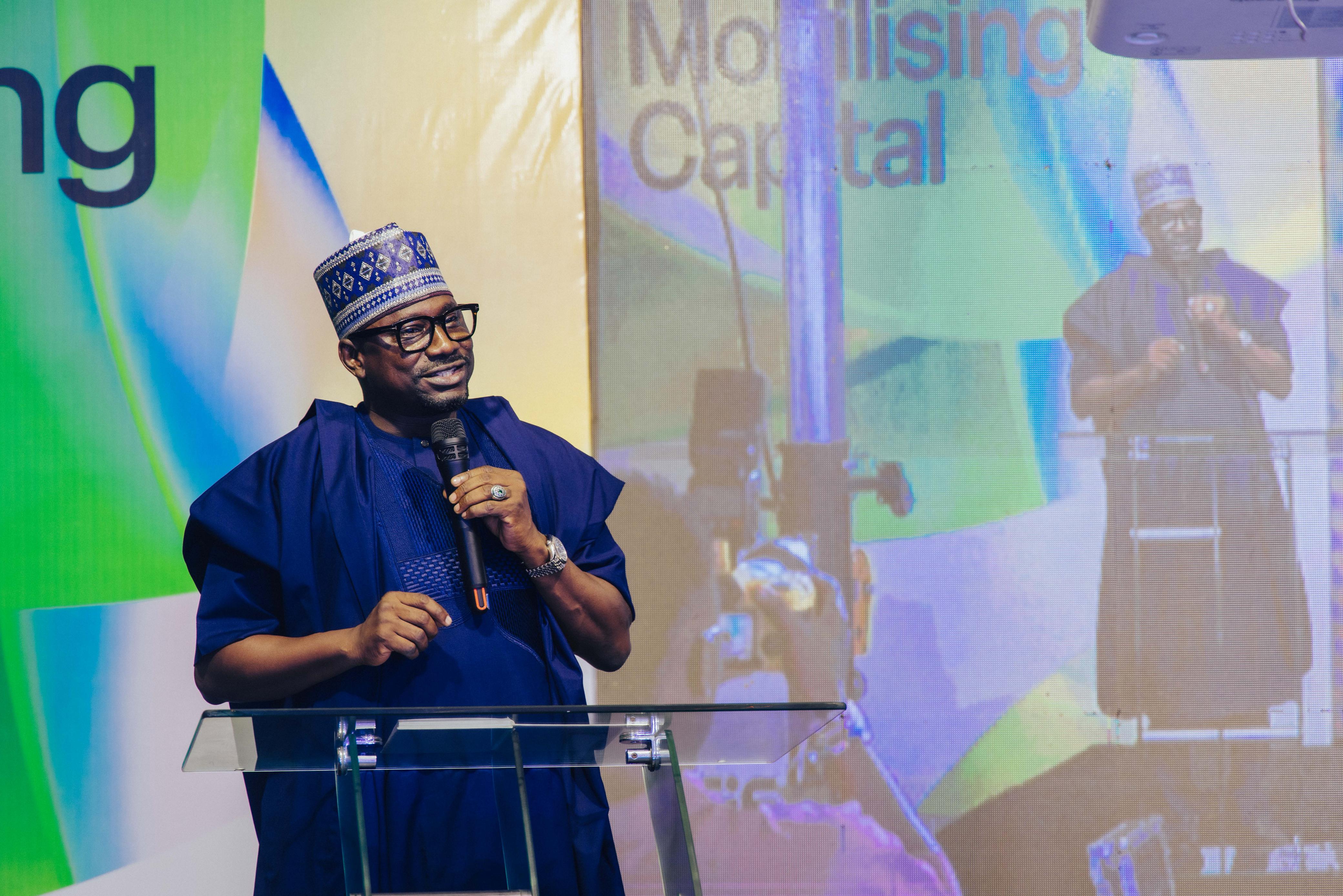
Speaking on CNBC Africa, the Managing Director and Chief Executive Officer of the Rural Electrification Agency (REA), Dr. Abba Aliyu, described the pilot phase as a deliberate test of the GFIF model at the transaction level — a foundation for scaling it into a broader, platform-wide financing structure. Dr. Aliyu stressed that the facility goes beyond the lifespan of DARES: it aims to institutionalize sustainable local financing for clean energy projects in Nigeria, building a long-term investment ecosystem that outlasts any single program.
The financing logic behind GFIF directly addresses a structural challenge within DARES. Operating under a results-based financing model, the program requires developers to meet performance milestones before receiving disbursements, creating a need for substantial upfront capital. This requirement has slowed project deployment across Nigeria. GFIF bridges that gap, strengthening project bankability and enabling developers to move faster on the ground. With 226,000 connections in its sights and a pipeline of nine developers already engaged, the facility positions Nigeria not just to meet its DARES targets, but to establish a replicable financing model for clean energy access across the continent.
Loading comments…