Press Release
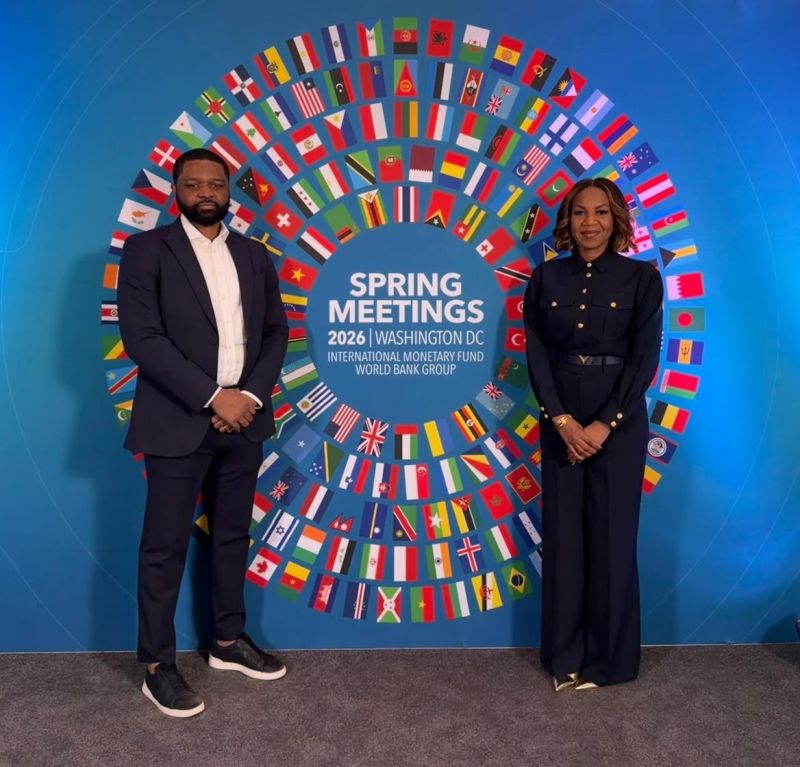
Nigeria’s off-grid power developers have secured approximately $83 million in International Finance Corporation (IFC)-backed financing under the Distributed Access through Renewable Energy Scale-Up (DARES) programme, signalling growing investor confidence in the country’s distributed energy access market. The agreements were signed on the sidelines of the World Bank Group and IMF Spring Meetings 2026.
The financing will support an initial group of Nigerian renewable energy companies deploying mini-grids and standalone systems across unserved and underserved communities, marking a transition from pilot interventions to scaled deployment of distributed energy access infrastructure.
Darway Coast, PriVida Power, Prado Power, GVE Projects and StarTimes Smart Energy have signed financing agreements under the first phase, while Ashipa Energy, Eauxwell Nigeria, Ignite Power, Maskh Nigeria, Nayo Tropical Resources and Paras Energy have been onboarded into the next phase of the financing pipeline, reflecting growing depth and momentum within Nigeria’s renewable energy developer ecosystem.
The transactions sit within Nigeria’s DARES programme, a $750 million World Bank-supported initiative implemented by the Rural Electrification Agency (REA) through the Nigeria electrification programme (NEP) to expand electricity access to over 17 million Nigerians through privately delivered renewable energy systems.
The financing is structured as a revolving debt facility supported by the IFC, providing longer-tenor capital to developers in a market where access to affordable financing has remained constrained. The model blends concessional funding with commercial capital, enabling faster deployment across multiple sites.
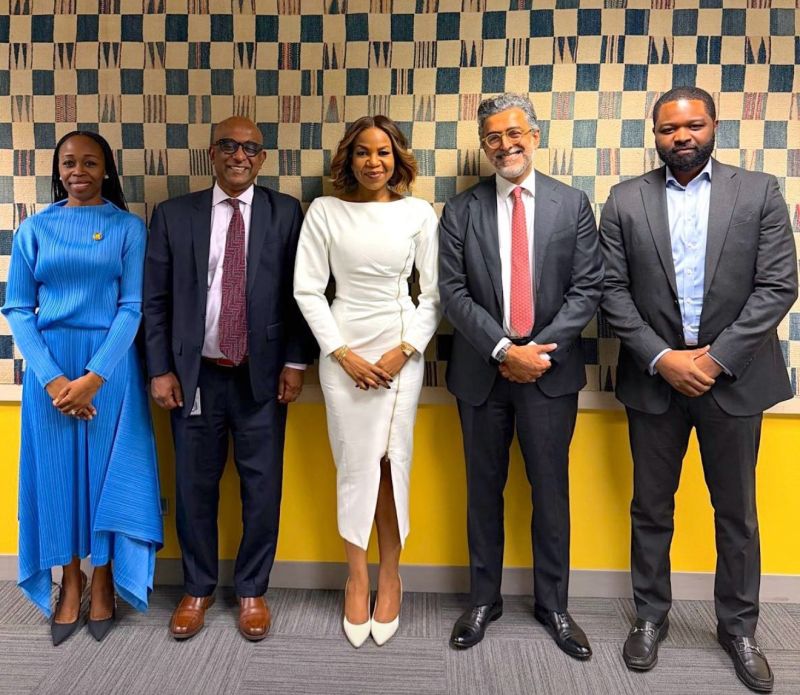
Speaking at the signing, the IFC Managing Director, Makhtar Diop highlighted the catalytic role of blended finance in shaping sector-wide growth.
“This demonstrates how blended finance can address ecosystem constraints at scale. Nigeria is leading the way, and we are already looking to replicate this success across the continent.”
Representing the Honourable Minister of Finance and Coordinating Minister of the Economy, Wale Edun, Special Adviser to the President on the Economy, Sanyade Okolie, emphasised the Federal Government’s economic transformation agenda:
“For Mr President, the priority is to transform the Nigerian economy in a way that lifts people out of poverty. People must feel the difference. As a government, particularly within the Ministry of Finance, we recognise the critical role of investment partners. Making Nigeria’s economy as attractive as possible to investors remains the most sustainable path forward. We commend the progress achieved so far by the Nigeria DARES team.”
Olufemi Akinyelure, Head of the Nigeria Electrification Programme (NEP) and Project Lead for DARES Nigeria, said:
“This marks a shift from programme design to execution at scale. Distributed renewable energy in Nigeria is now a bankable market, not a pilot segment. The structure allows capital to move where it is needed, at the speed required to deliver access and support economic activity.”
Minister of Communications, Innovation and Digital Economy, Bosun Tijani, highlighted the broader economic ambition driving infrastructure investments:
“The President’s ambition is to build a one trillion-dollar economy. This requires significant investment in infrastructure, particularly digital infrastructure. Expanding connectivity, bringing more Nigerians online, and strengthening how we do business will unlock new opportunities and provide a strong platform for innovation.”
Chief Executive Officer of Sustainable Energy for All, Damilola Ogunbiyi, noted that the programme is setting a precedent for global energy access financing:
“It is encouraging to see Nigeria leading the pathway for innovative financing under Mission 300. DARES is showing how the right structures can unlock scale, accelerate deployment, and deliver real impact for millions.”
Market analysts say the transaction reflects a broader structural shift, positioning distributed energy as a viable asset class in Nigeria’s power sector, particularly as grid expansion struggles to keep pace with demand.
Across current and planned transactions, the platform is expected to mobilise more than $150 million, supporting hundreds of distributed energy systems and expanding access to electricity for more than 5 million people, while reducing reliance on diesel generation.
Meanwhile, as at 13 April 2026, the broader DARES programme has provided reliable and clean energy to over 4.1 million Nigerians and is on track to reach more than 17.5 million beneficiaries. To date, approximately 31.63 MW of distributed renewable energy capacity has been installed, contributing toward a target of 465 MW to be deployed by 2028. The programme builds on earlier electrification efforts, which delivered over 175 mini-grids and more than 1.1 million solar home systems across the country.