Nigeria Shares DRE Implementation Experience with Sierra Leone in Support of it’s National Energy Compact, 78% Energy Access Goal
As African countries intensify efforts to expand energy access under Mission 300, the conversation is shifting beyond building renewable energy projects to designing the institutions, financing mechanisms and implementation models that make those projects sustainable.
It was against this backdrop that the Rural Electrification Agency (REA), hosted a high-level delegation from Sierra Leone as part of a week-long Country-to-Country Knowledge Exchange Mission, which took place from 3 to 7 August 2026.
The mission supports Sierra Leone’s efforts to establish an autonomous Rural Electrification Agency under its Ministry of Energy as part of the country’s National Energy Compact. It also aims to strengthen the country’s capacity to expand access to clean, affordable and reliable electricity through distributed renewable energy solutions while informing the design and implementation of future World Bank-supported programmes.
Bringing together senior representatives from Sierra Leone’s Ministry of Energy, Ministry of Justice, Ministry of Planning and Economic Development, the Sierra Leone Standards Bureau, development partners and Sustainable Energy for All (SEforALL), the mission combines technical dialogue with practical field learning.
Leading the delegation was Sierra Leone’s Deputy Minister of Energy, Hon. Dr. Abdul Rahim Jalloh, alongside officials responsible for policy development, regulation, legal affairs, finance, and technical implementation.
The technical sessions centred on Donor Coordination and Sustainable Financing for the Distributed Renewable Energy (DRE) Sector, with the REA’s Nigerian Electrification Programme (REA-NEP) Project Management Unit (PMU), presenting an overview of the Nigeria Distributed Access through Renewable Energy Scale-Up (DARES) Project.
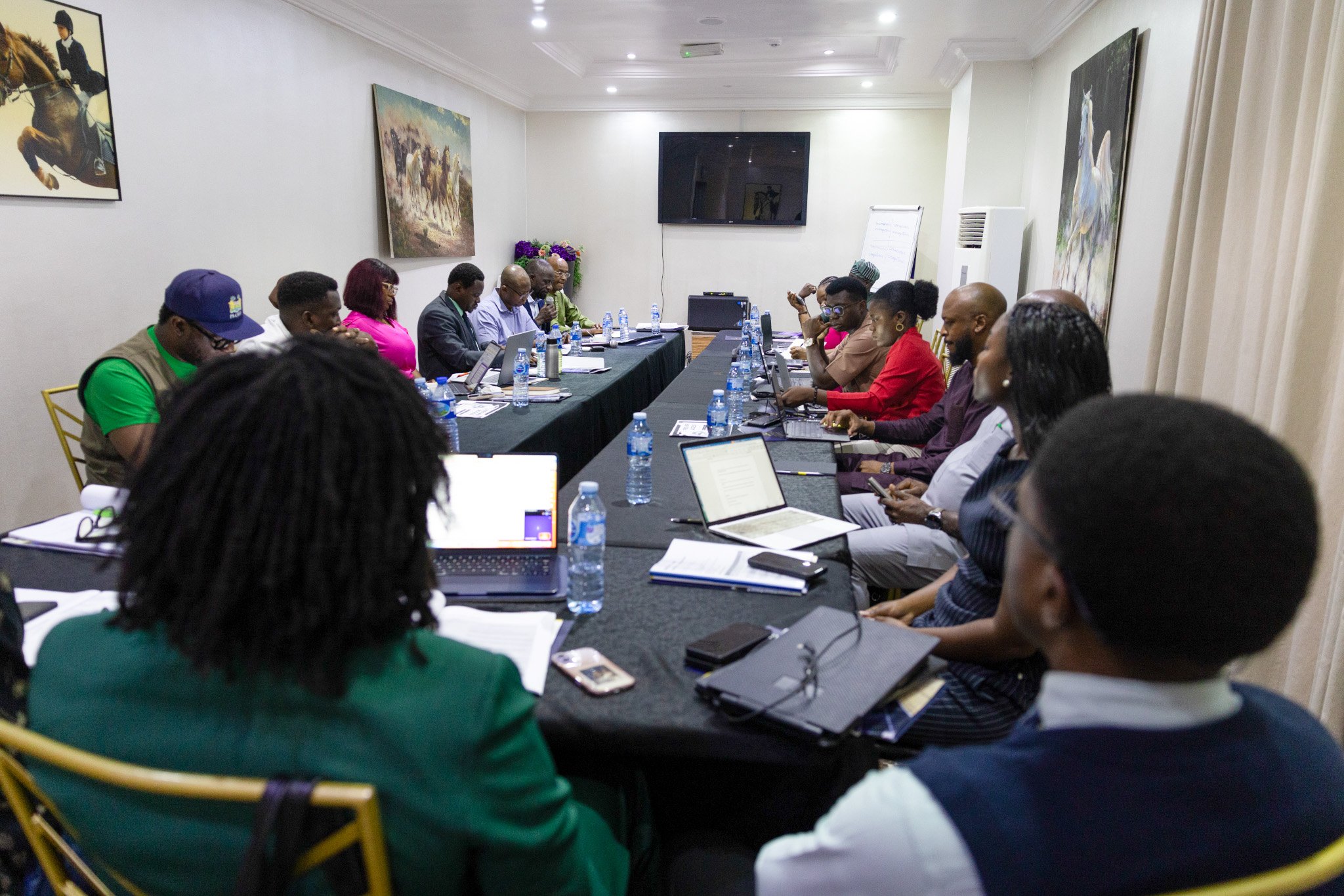
Figure 1 Delegates from Sierra Leone and the Rural Electrification Agency’s Nigeria Electrification Programme engage during a knowledge exchange mission in Abuja, Nigeria.
Discussions explored the design and implementation of the project’s Solar Hybrid Mini-Grid and StandAlone Solar components, while also examining delivery models, public-private partnerships, results-based financing mechanisms, donor coordination processes and governance systems that support transparency, accountability and long-term sustainability.
Delegates also engaged the REA-NEP PMU on the practical realities of implementing large-scale DRE projects, including challenges encountered during delivery and the approaches adopted to address them.
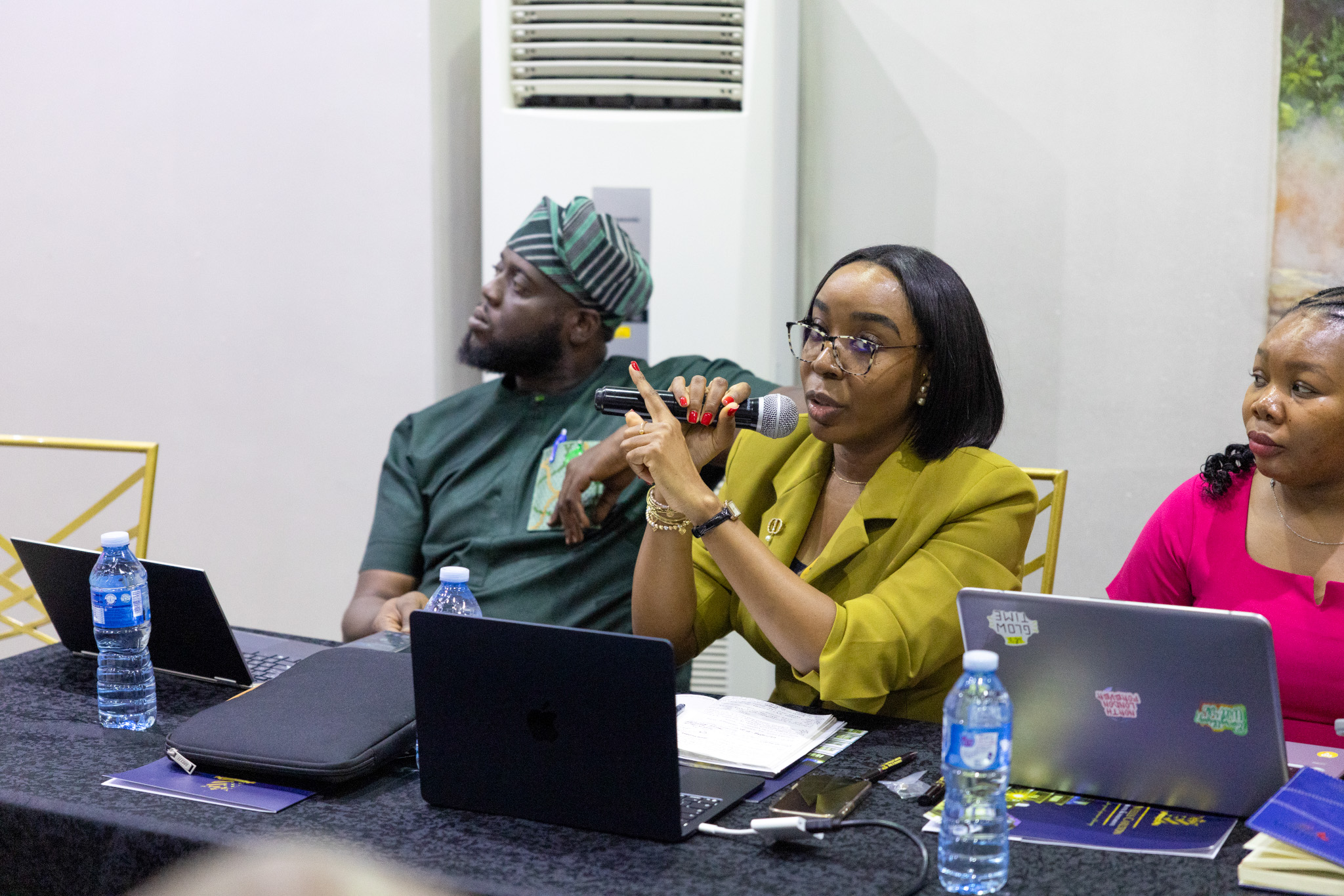
Figure 2 Odegua Ofoegbu, Donor Coordination and Private Sector Liaison Specialist, DARES, presents the Programme’s implementation framework during the knowledge exchange mission with Sierra Leone.
Representing the Head of the Nigeria Electrification Programme, the Donor Coordination and Private Sector Liaison Specialist, Odegua Ofoegbu, explained how the different interventions are brought together under a common implementation framework.
“While the interventions are implemented through different models, they are all anchored within the same results-based financing framework. We wanted the delegation to have a full picture of how these different components fit together, even if it meant a lot of information in one session.”
For Hon. Dr. Abdul Rahim Jalloh, Sierra Leone’s Deputy Minister of Energy, the depth of the engagement offered precisely the kind of practical insight the delegation needed as the country works towards establishing its own Rural Electrification Agency.
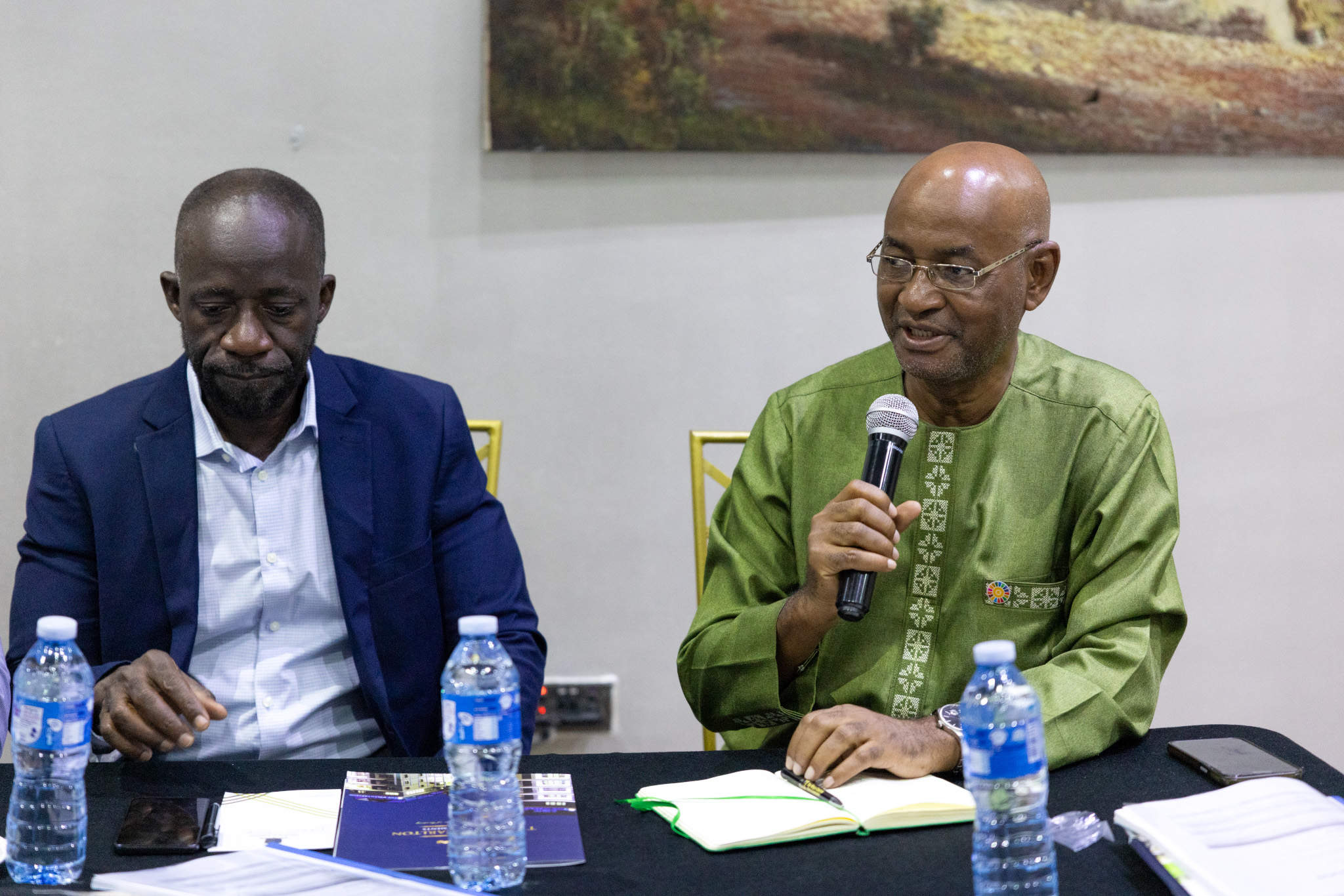
Figure 3 Hon. Dr. Abdul Rahim Jalloh, Deputy Minister of Energy, Sierra Leone, speaks during the knowledge exchange mission with the Nigeria Electrification Programme.
“You could call it information overload, but I am very pleased with the openness with which the team has shared its experience with us. This will significantly strengthen our own efforts as we establish Sierra Leone’s Rural Electrification Agency.”
While the delegation arrived with a clear interest in Nigeria’s experience, the MD/CEO of the Rural Electrification Agency, Abba Aliyu, emphasised that the value of the mission extended beyond one country learning from another.
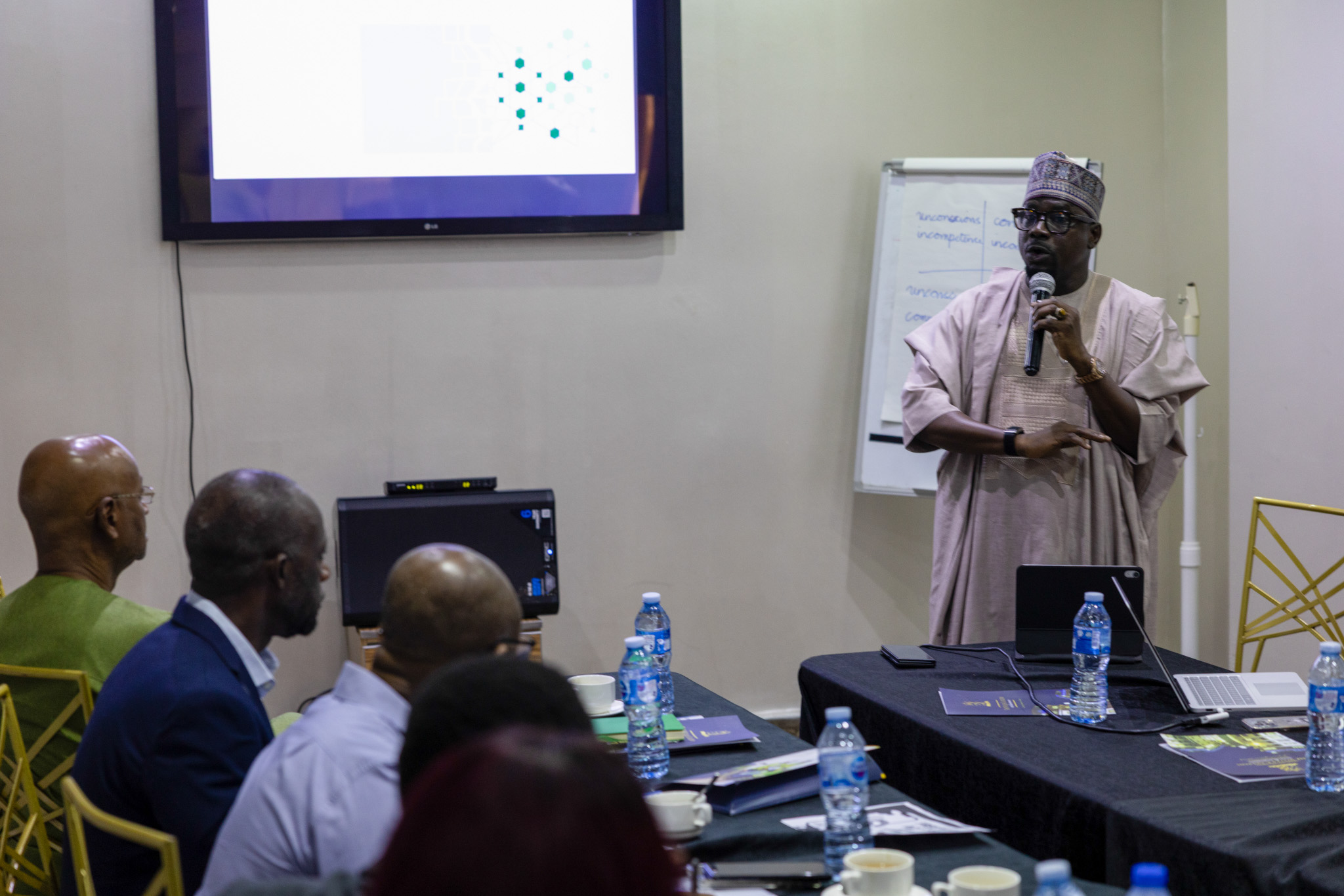
Figure 4 Abba Aliyu, Managing Director/CEO, Rural Electrification Agency, addresses the Sierra Leone delegation during the knowledge exchange mission.
According to him, the exchange was an opportunity for Nigeria to also understand what Sierra Leone has been doing in the DRE space, the approaches that have worked within its context and the lessons that could be relevant to Nigeria.
“Knowledge exchange is not one-sided. While the delegation is here to learn from our experience, we are equally interested in learning from what Sierra Leone has been doing, what has worked for them and the approaches they are developing within their own context. Every country has experiences that can contribute to how we collectively advance energy access across Africa.”
He also stressed that understanding DRE implementation requires engagement beyond the office and the policy table. While programme structures, financing arrangements and implementation decisions may be developed institutionally, their effectiveness ultimately becomes visible in the field.
“DRE implementation is not office work. A lot of decisions are made in the office, but implementation is structured in the field. You have to go out, see the projects, engage with the communities and understand what is actually happening on the ground. That is where you see the real impact of reliable and affordable electricity and the opportunities it creates for people.”
The emphasis on field-based learning became particularly relevant as the mission progressed beyond technical sessions in Abuja.
On 5 August, the delegation’s learning expanded to the Energizing Education Programme (EEP), with Mrs Funmi Jones, Component Coordinator for EEP Phase III, presenting an overview of the programme’s phases.
The presentation traced the evolution of EEP and its approach to deploying reliable power solutions across federal tertiary institutions and teaching hospitals. It provided the delegation with a broader view of how decentralised energy interventions can be designed around the specific operational needs of public institutions, while also supporting education, research and institutional development.
On 6 August, the delegation moved from the presentation room to the field, visiting the EEP Phase II flagship project at Yakubu Gowon University, formerly known as the University of Abuja.
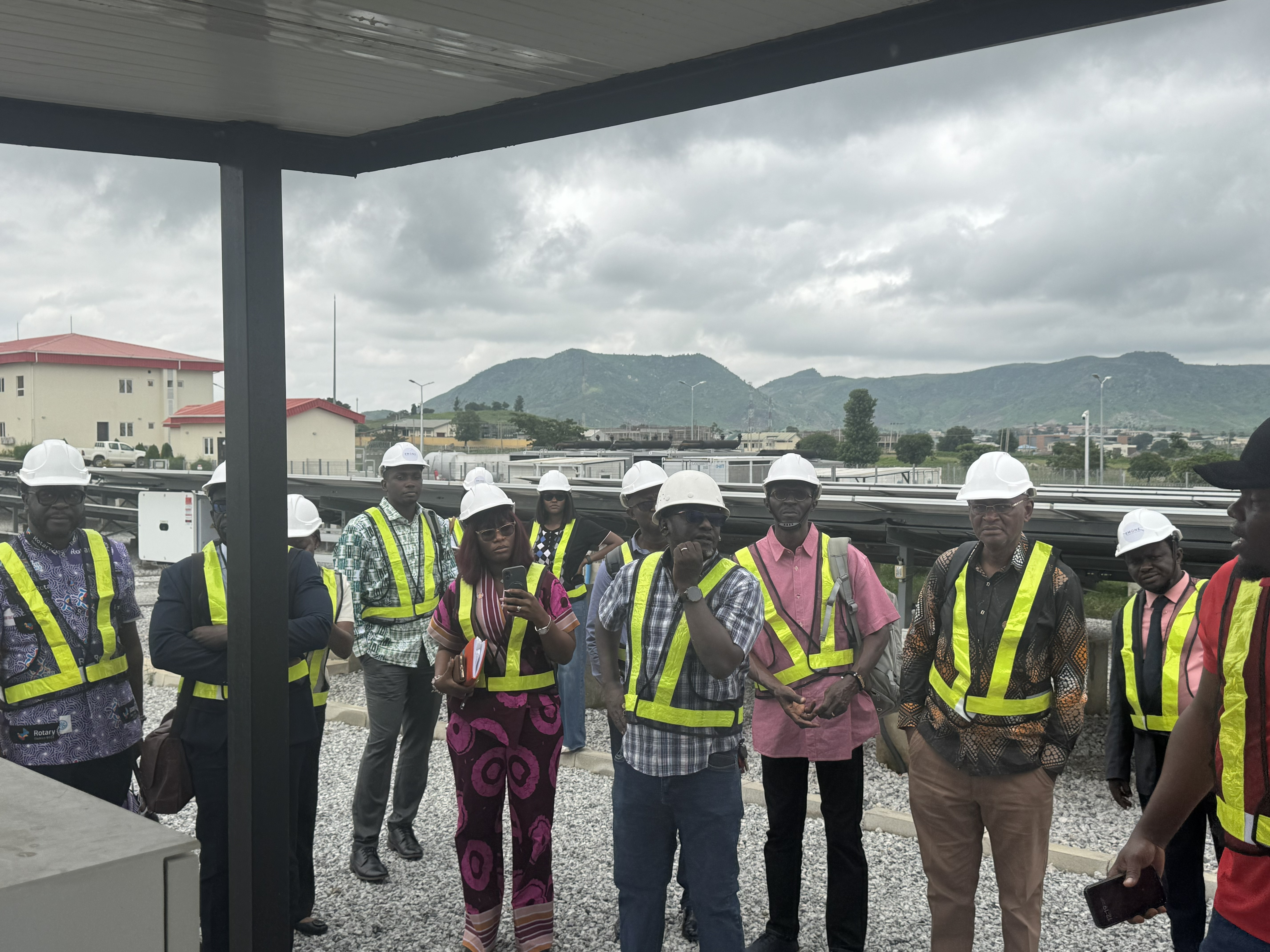
Figure 5 The Sierra Leone delegation tours the 2.5MW solar hybrid power plant at Yakubu Gowon University during the knowledge exchange mission in Abuja.
The site visit gave the delegation an opportunity to see firsthand the 2.5 MW captive power plant and understand how the project is implemented and operated within a university environment.
The visit brought a practical dimension to the week’s discussions, demonstrating how the frameworks, financing arrangements and implementation models discussed translate into infrastructure that serves real institutions and users.
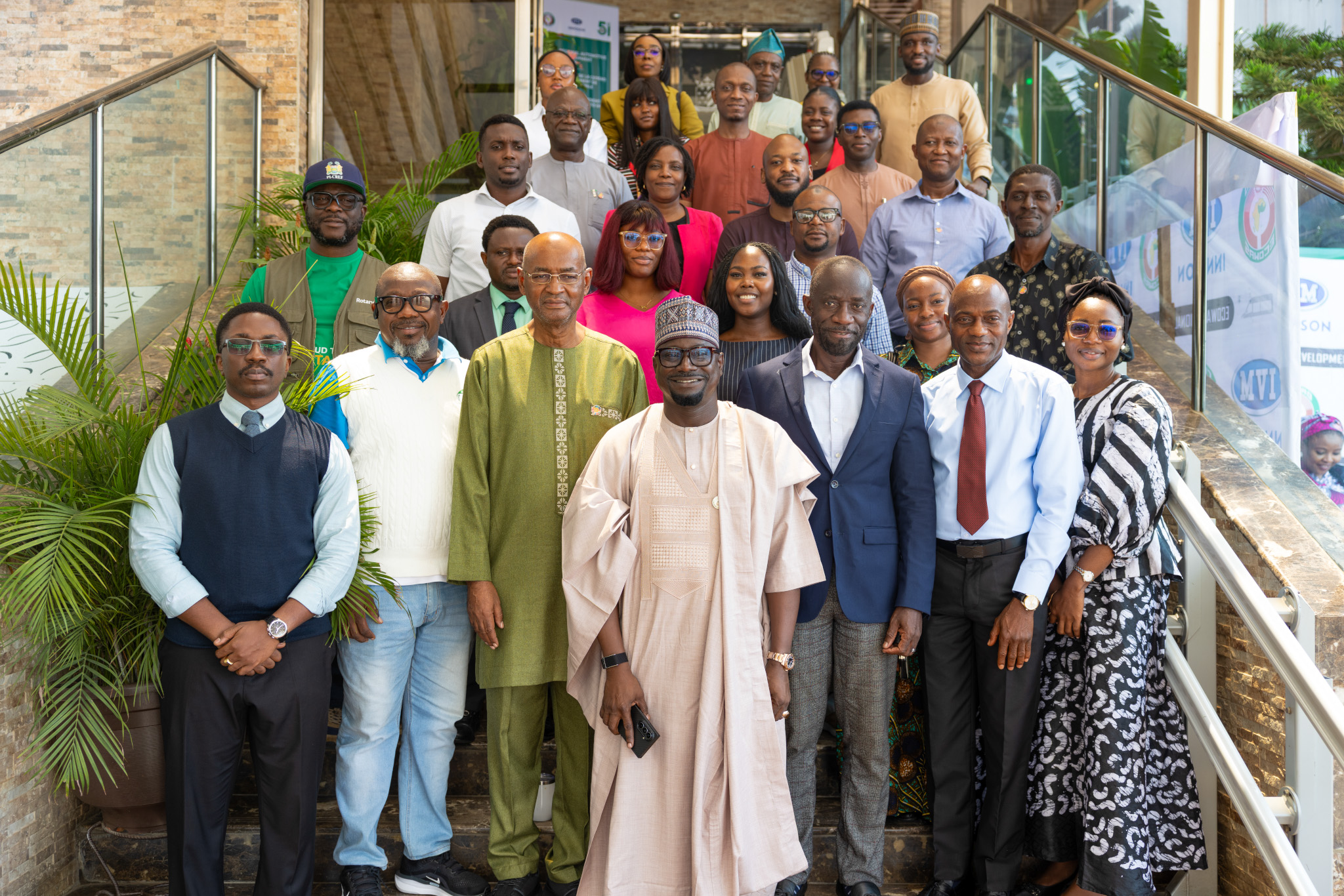
Figure 6 L-R: Onyeka Okoye, Programme Officer, UNOPS; Solomon George EPA, Sierra Leone; Hon. Dr. Abdul Rahim Jalloh, Deputy Minister of Energy, Sierra Leone; Abba Aliyu, Managing Director/CEO, Rural Electrification Agency; Emmanuel Mannah, Team Lead, PMU-SOGREA, UNOPS; Taiwo Olawoyin, Senior Procurement Specialist, AfDB-NEP; Tosin Ipaye, Subnational Interventions and Public Institutions Sub-component Specialist, DARES; and Abdulrasheed Wakil, Project Manager, Productive Use of Energy Sub-component, DARES, with other participants during the knowledge exchange mission between Sierra Leone and the REA-NEP.
The Country-to-Country Knowledge Exchange Mission reflects a growing recognition that Africa’s energy transition will be accelerated not only through investment, but through collaboration and shared experience.
For Sierra Leone, the mission has provided practical lessons spanning institutional development, donor coordination, programme implementation and the delivery of flagship renewable energy interventions as charges towards its target of reaching 78% electricity access by 2030.
For Nigeria, it demonstrates how implementation experience gained through programmes such as DARES can contribute to strengthening distributed renewable energy ecosystems across the continent.
As both countries advance their electrification ambitions under Mission 300, the partnership demonstrates the value of African-led knowledge exchange in building resilient institutions, scaling clean energy solutions and expanding sustainable electricity access for millions.
Loading comments…