Nigeria's Electrification Blueprint Crosses Borders as Zambia Seeks DARES Lessons for US$200 Million Programme
As Africa races to close its electricity access gap, Nigeria's Distributed Access through Renewable Energy Scale-up (DARES) Project is increasingly becoming a continental blueprint. On Thursday, 2nd July 2026, that reputation drew another delegation to Abuja, this time from Zambia.
Seeking practical lessons to support the implementation of its US$200 million Accelerating Sustainable and Clean Energy Access Transformation (ASCENT) programme, a multidisciplinary delegation from Zambia's Rural Electrification Authority (REA Zambia) visited the Nigeria Electrification Programme (NEP) Project Office in Abuja for a knowledge-sharing mission focused on the implementation of the US$750 million Nigeria Distributed Access through Renewable Energy Scale-Up (DARES) Project.
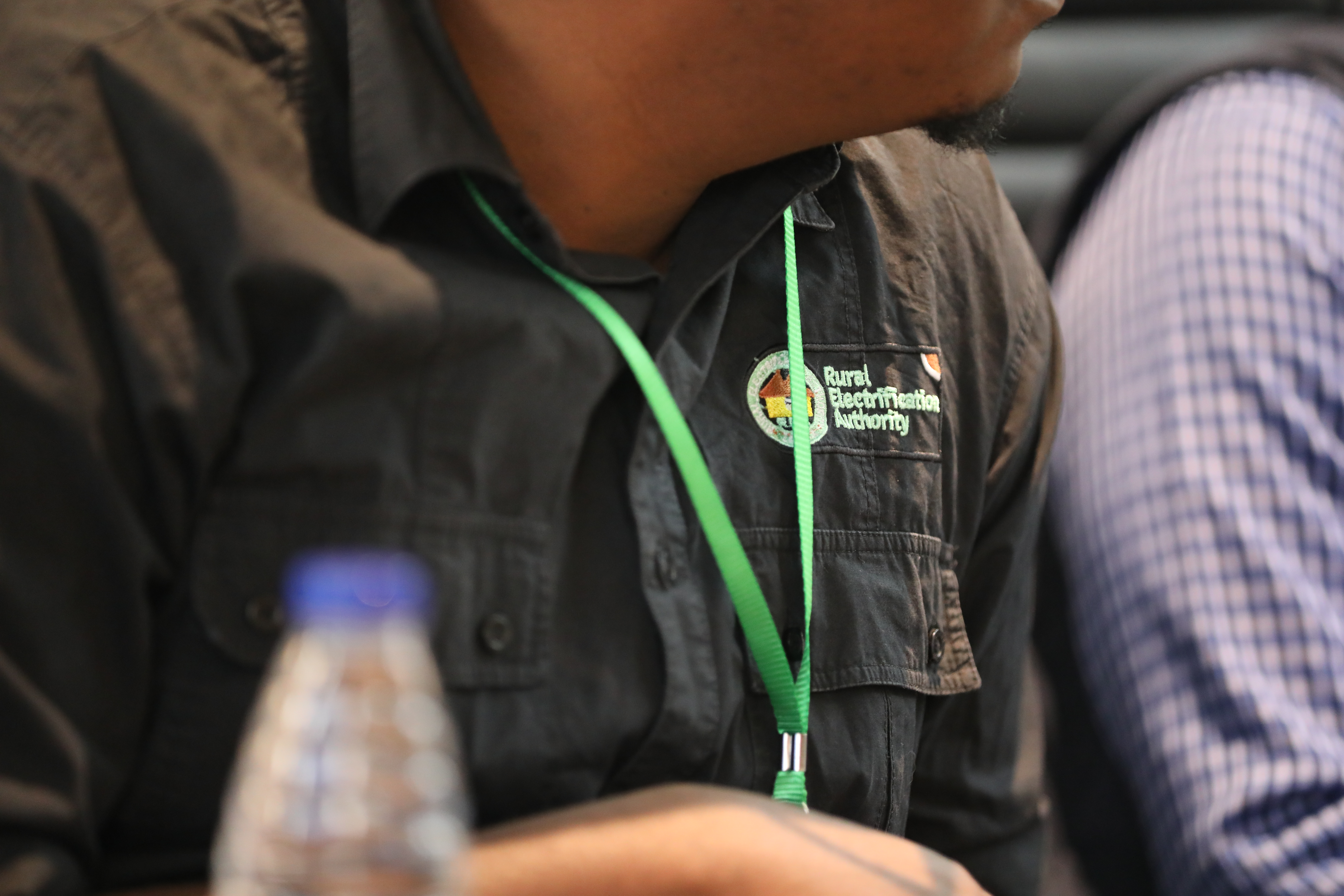
Figure 1 Identification badge of a member of the REA Zambia delegation during the REA Zambia and REA-NEP Knowledge Sharing Mission, held on 2 July 2026.
The visit, which brought together Zambian representatives from finance, procurement, legal, engineering and project implementation, reflected a growing recognition of Nigeria's leadership in deploying decentralized renewable energy solutions at scale. Supported by the World Bank, both ASCENT and DARES seek to expand electricity access through private sector-led off-grid and distributed renewable energy investments, making the exchange particularly timely.
Over the past year, the Nigeria DARES Project has emerged as one of Africa's most closely watched electrification programmes, attracting interest from governments and development institutions seeking proven implementation models.
Rather than focusing solely on policy discussions, the engagement delved into the operational mechanics underpinning the program's success.
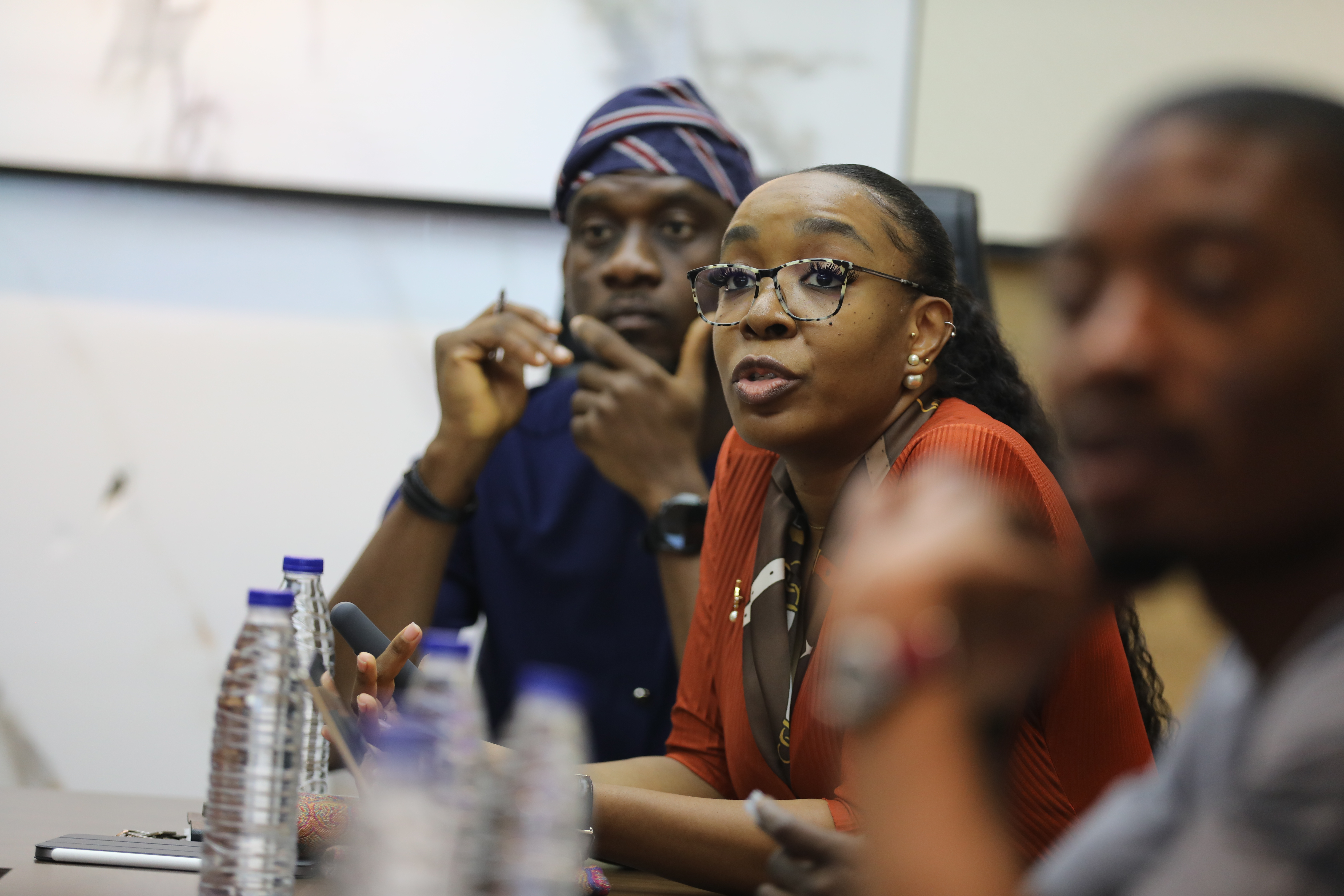
Figure 2 Odegua Ofoegbu, Donor Coordination and Private Sector Specialist, delivers a presentation during the REA Zambia and REA-NEP Knowledge Sharing Mission.
The Nigeria Electrification Programme’s Project Management Unit (PMU), walked the delegation through the business models utilised under DARES, including the public-private partnership framework, the design and implementation of results-based financing mechanisms, grant calibration methodologies, and the digital monitoring platforms used to track project performance.
The discussions also explored one of the most persistent challenges facing off-grid energy deployment across Africa: grid encroachment, as well as the systems Nigeria has established to minimize conflicts between grid expansion and private-sector mini-grid investments.
For many rural electrification programmes, deploying infrastructure is only half the challenge. Ensuring that projects remain financially viable years after commissioning is often the greater test.
Speaking during the knowledge exchange, the Head of the Nigeria Electrification Programme, Mr. Olufemi Akinyelure, explained that sustainability must be deliberately engineered into every stage of project design.
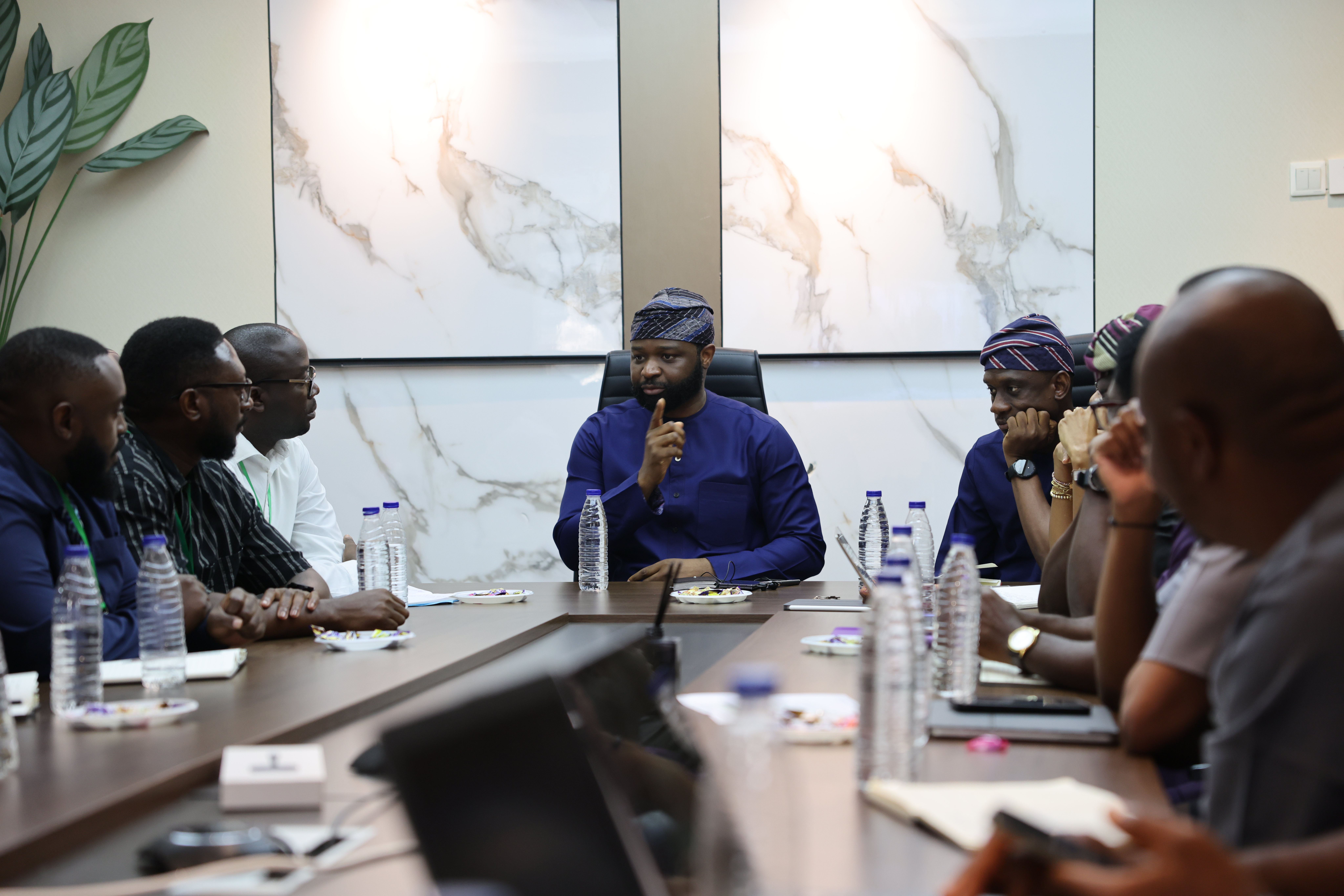
Figure 3 Mr. Olufemi Akinyelure, Head of the Nigeria Electrification Programme, REA, addresses the REA Zambia delegation during the REA Zambia and REA-NEP Knowledge Sharing Mission, held on 2nd July 2026
According to him, one of Nigeria's key innovations has been the development of an integrated national solar project mapping platform. This geospatial system enables stakeholders across government and development partners to register and monitor renewable energy projects nationwide.
"An integrated solar project mapping tool that everyone keys into is essential," he said. "It strengthens coordination, improves monitoring, and helps prevent duplication of projects within the same communities."
Beyond technology, Mr. Akinyelure emphasised that long-term sustainability depends on developing local economies around energy infrastructure.
"Powering productivity is critical," he noted. "Every deployment must include the right mix of residential, commercial, and public users. That balance improves revenue collection, supports economic activity, and ultimately makes projects sustainable."
He further stressed that effective coordination across institutions, combined with innovative technology, remains central to ensuring that distributed energy investments continue delivering value long after implementation.
For Zambia, the visit offered practical insights into programme execution, from procurement and financing structures to monitoring systems and private sector engagement, that could help strengthen delivery under the ASCENT programme.
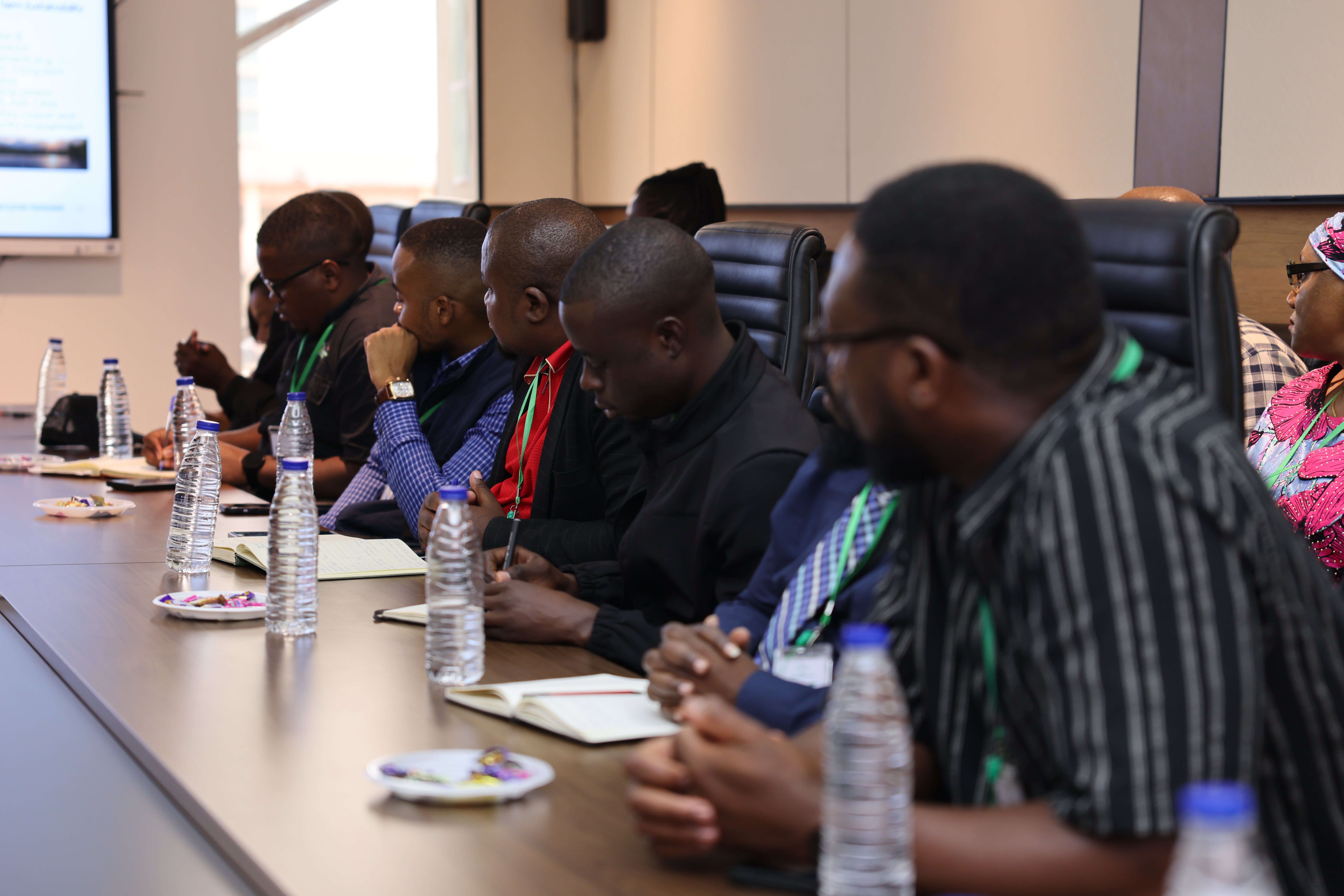
Figure 4 The REA Zambia delegation follows a presentation by the REA-NEP Project Management Unit during the REA-NEP and REA Zambia Knowledge Sharing Mission, held on 2 July 2026.
For Nigeria, the engagement reinforces its growing role not only as an implementer of large-scale renewable energy programmes, but also as a source of technical expertise for other African nations pursuing universal energy access.
Beyond presentations and technical discussions, the Nigerian delegation sought to remind visitors that electrification is ultimately about people rather than infrastructure.
At the conclusion of the visit, Mr. Akinyelure presented members of the Zambian delegation with copies of the New Energies: Human Stories Beyond the Data photobook, a publication documenting the real-life impact of the World Bank-funded Nigeria Electrification Project through the voices and experiences of beneficiaries across the country.
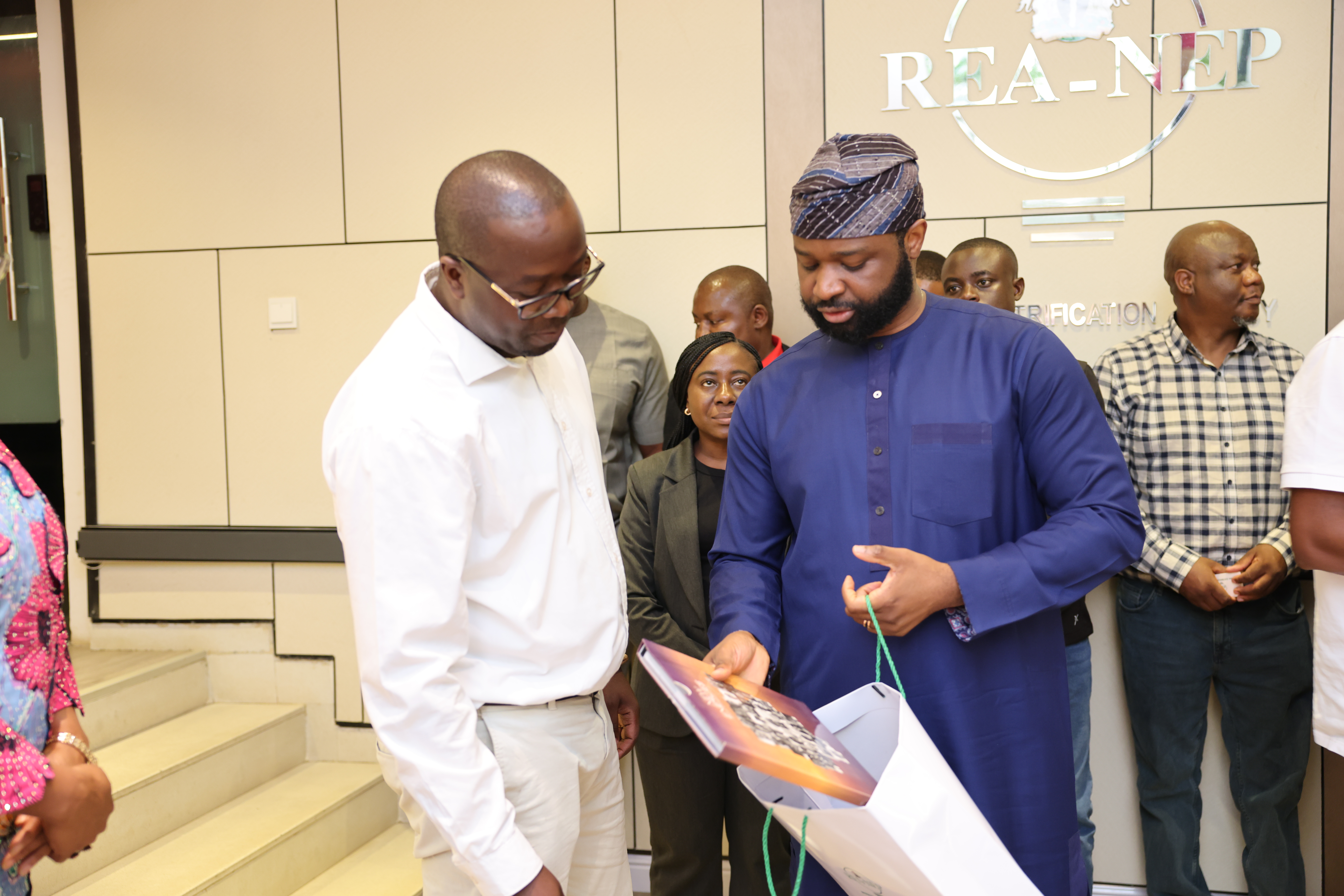
Figure 5 Mr. Olufemi Akinyelure, Head of the Nigeria Electrification Programme, REA, presents the New Energies photobook to Nkomba Mulemba, Legal Counsel, REA Zambia, during the REA-NEP and REA Zambia Knowledge Sharing Mission, held on 2 July 2026.
For Zambia, the visit delivered practical insights into programme execution, spanning procurement and financing structures, monitoring systems, and private-sector engagement, that can directly strengthen delivery under ASCENT. For Nigeria, it reinforces a growing role not only as an implementer of large-scale renewable energy programs but also as a continental source of technical expertise for nations pursuing universal energy access.
As Africa's electrification challenge grows more urgent, knowledge-sharing missions such as this are converting individual national successes into collective continental progress.
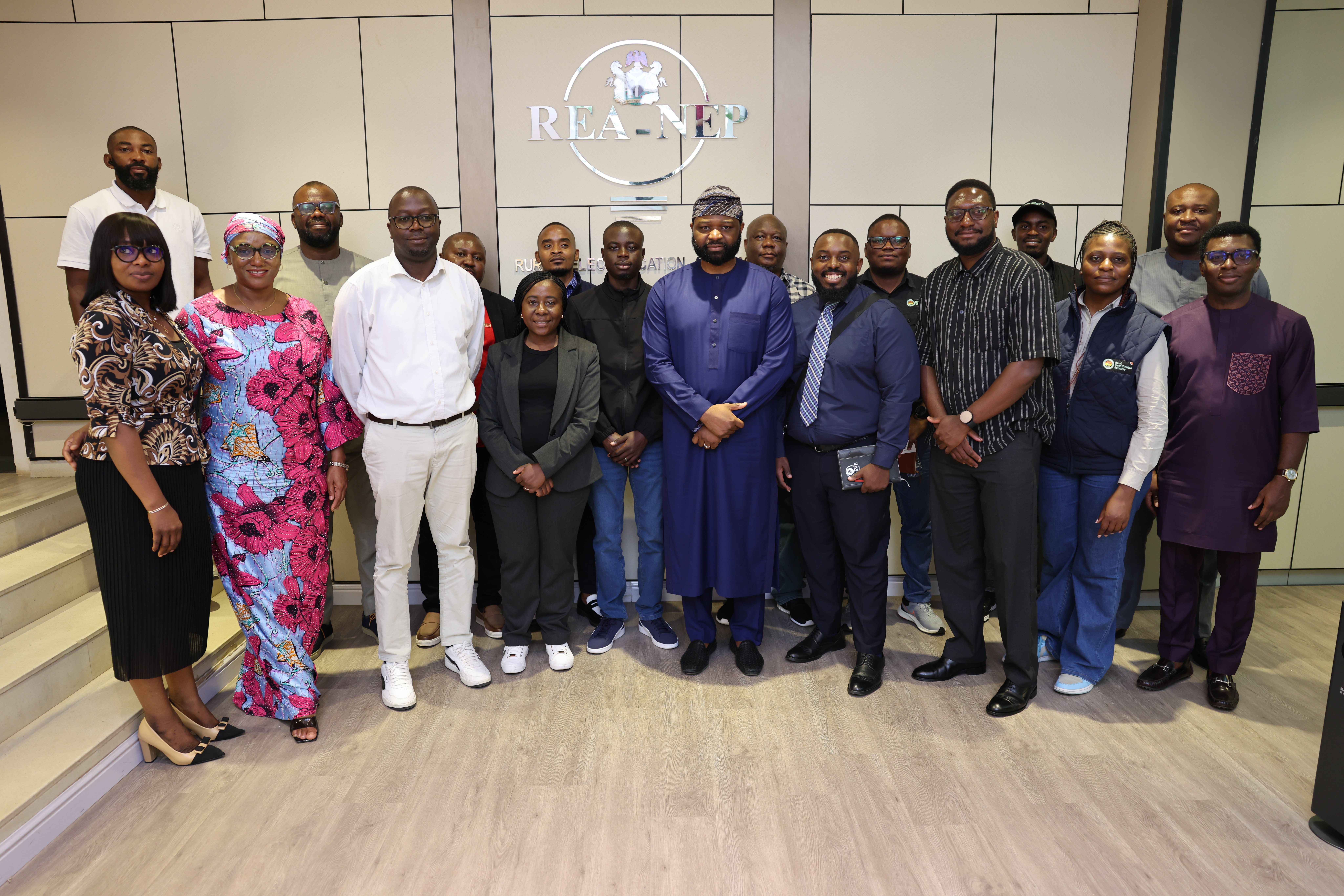
Figure 6 Group photograph (L–R): Susan Igata, Social and GBV Specialist, REA-NEP; Habiba Ali, CEO, Sosai Renewables; Nkomba Mulemba, Legal Counsel, REA Zambia; Chilemwa Zimba Kahanji, Principal Project Appraisal Officer, Public Private Partnership Office, Ministry of Finance and National Planning, Zambia; Mr. Olufemi Akinyelure, Head of the Nigeria Electrification Programme, REA; Eugene Chandi, Senior Economist, REA Zambia; Celine Chupasha, Procurement Officer, REA Zambia; Ikenna Emeruwa, Procurement Officer, REA-NEP; and Engr. Paul Iyogun, Project Manager, Interconnected Mini Grids, REA-NEP, during the REA Zambia and REA-NEP Knowledge Sharing Mission, held on 2 July 2026.
Loading comments…